Introduction to Photoelectric Sensors
In the realm of industrial automation, particularly within packaging machinery, photoelectric sensors serve as the critical eyes of the operation. Shuoyuan packaging machines, renowned for their reliability and advanced technology, integrate these sensors to achieve unparalleled levels of efficiency, precision, and operational safety. These devices function by emitting a beam of light—visible, infrared, or laser—and detecting changes in the received light signal. This fundamental principle allows them to perform a multitude of tasks without physical contact, from detecting the presence of a product on a conveyor to precisely positioning labels and ensuring correct fill levels. The non-contact nature of photoelectric sensors eliminates wear and tear associated with mechanical switches, significantly reducing maintenance needs and downtime, which is paramount in high-speed packaging lines.
Core Operating Principles and Types
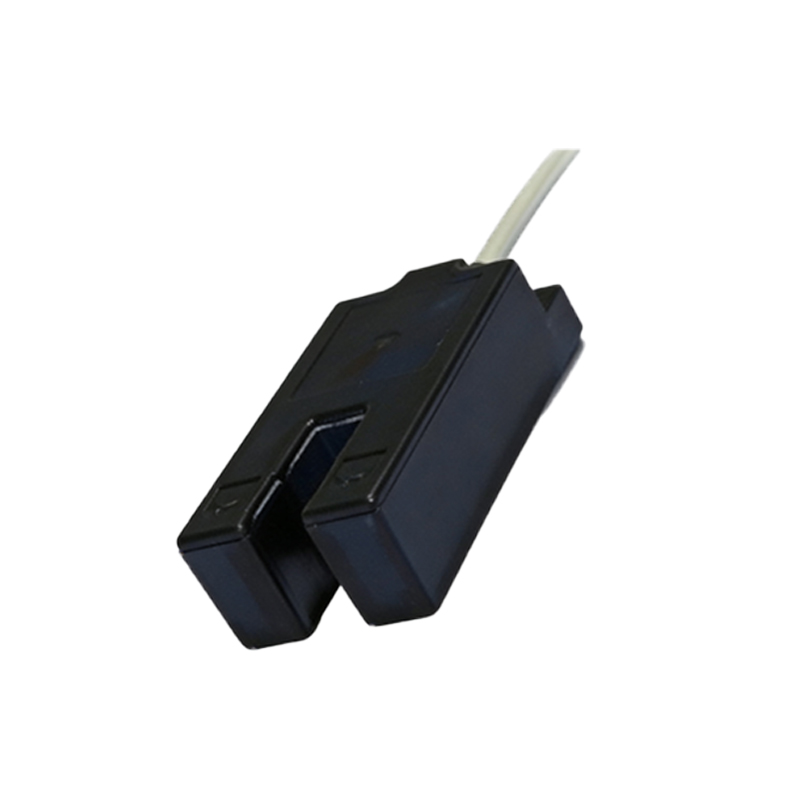
Understanding the operational mechanics is key to appreciating their application. A basic photoelectric sensor consists of an emitter (light source) and a receiver (phototransistor or similar). The sensor triggers an output signal when the receiver's light pattern is altered. In Shuoyuan machines, several configurations are employed based on the specific task. Through-beam sensors, with separate emitter and receiver units, offer the longest sensing range and highest reliability for detecting opaque objects breaking the beam. Retro-reflective sensors use a reflector to bounce the light back to the receiver, ideal for detecting objects from one side of a conveyor. Diffuse reflective sensors detect objects by measuring the light reflected directly from the target itself, perfect for close-range detection and varying surface colors. The selection of the correct type is crucial for optimizing the machine's performance.
Key Applications in Packaging Processes
The integration of photoelectric sensors within Shuoyuan packaging systems is comprehensive. One primary application is product presence and counting on infeed conveyors, ensuring a consistent flow of items into the packaging station. They are indispensable in registration mark detection for flexible packaging materials, enabling precise cut-off and seal points for bags and pouches, which directly impacts product presentation and integrity. Furthermore, these sensors verify the correct placement of caps on bottles, check for proper label application, and monitor fill levels in containers to prevent underfilling or overflow. In cartoning machines, they confirm the presence of the product inside the box before sealing, a critical quality control checkpoint.
Advantages for Modern Packaging Lines
The deployment of advanced photoelectric sensors provides Shuoyuan packaging machines with distinct competitive advantages. The foremost benefit is enhanced precision, which minimizes material waste from mis-cuts or misalignments and ensures consistent package quality. This leads directly to increased line speed and throughput, as sensors enable faster, more reliable detection than mechanical means. Their robustness in harsh industrial environments—resistant to dust, moisture, and vibration—ensures consistent operation. Additionally, their fast response time is essential for synchronizing high-speed mechanical actions, such as the timing of a sealing jaw or a cutting blade, which is vital for maintaining cycle times.
Selection Criteria and Integration
Selecting the appropriate photoelectric sensor for a Shuoyuan machine involves careful consideration of several factors. The sensing range must be suitable for the application distance. The size, color, material, and surface finish of the target object influence the choice of light source (e.g., red LED for general use, laser for precision, infrared for transparency detection). Environmental conditions like ambient light, dust, and cleaning processes dictate the required ingress protection (IP) rating. Modern sensors also offer programmable functions and various output types (PNP/NPN, analog, IO-Link) for seamless integration into the machine's Programmable Logic Controller (PLC), allowing for sophisticated logic and diagnostics.
Maintenance and Troubleshooting Insights
While designed for durability, photoelectric sensors require proper maintenance for optimal longevity. Regular cleaning of lenses and reflectors is essential to prevent false triggers caused by dust or grime accumulation. Alignment checks are critical, especially for through-beam and retro-reflective types, as vibration can misalign the beam. Common issues include failure to detect objects, which may stem from incorrect sensitivity settings, dirty optics, or a misaligned beam. Interference from strong ambient light or reflective backgrounds can also cause erratic behavior. Modern sensors often feature built-in diagnostic LEDs that indicate power status, output activation, and signal strength, greatly simplifying troubleshooting for technicians.
Future Trends and Innovations
The evolution of photoelectric sensor technology continues to push the capabilities of packaging machinery. Future iterations in Shuoyuan systems are likely to incorporate sensors with even higher resolutions and faster response times to keep pace with increasing line speeds. The integration of smart sensor technology with Industrial Internet of Things (IIoT) capabilities is a significant trend. These sensors can communicate detailed performance data, predict maintenance needs, and self-adjust parameters based on environmental changes, contributing to the development of fully adaptive, predictive maintenance-based packaging lines that maximize uptime and efficiency.