Understanding Proximity Sensor Repair Costs
The cost of repairing a new proximity sensor varies widely based on factors such as sensor type, failure complexity, and service provider. Typically, repair expenses range from $50 to $500 or more. Basic repairs, like fixing wiring issues or cleaning components, may cost between $50 and $150. For more complex problems involving internal circuitry or calibration, costs can escalate to $200-$500. High-end industrial sensors with specialized features might require even higher expenditures due to advanced diagnostics and replacement parts. It's essential to obtain a detailed quote from a certified technician to avoid unexpected charges.
Factors Influencing Repair Pricing
Several key elements impact the overall repair cost. Sensor technology—whether inductive, capacitive, or ultrasonic—affects pricing, as each type has unique components and repair procedures. Labor rates vary by region and expertise, with experienced technicians charging $80-$150 per hour. The availability and cost of replacement parts also play a significant role; proprietary or imported parts can increase expenses by 20%-50%. Additionally, warranty status matters: if the sensor is under warranty, repairs might be free or discounted, but out-of-warranty units incur full costs. Urgency of service, such as emergency repairs, can add a premium of 30% or more.

Common Proximity Sensor Issues and Repair Estimates
Frequent problems include false triggering, reduced sensing range, and complete failure. For false triggering caused by environmental interference, repairs might involve shielding or recalibration, costing $100-$250. Reduced range often stems from worn-out coils or dirty lenses, with repairs ranging from $75 to $200. Complete failure due to circuit board damage or power supply issues can cost $300-$500, depending on sensor complexity. In some cases, software updates or firmware fixes are needed, adding $50-$100 to the bill. Always diagnose the issue accurately to avoid unnecessary repairs.
DIY vs. Professional Repair Cost Comparison
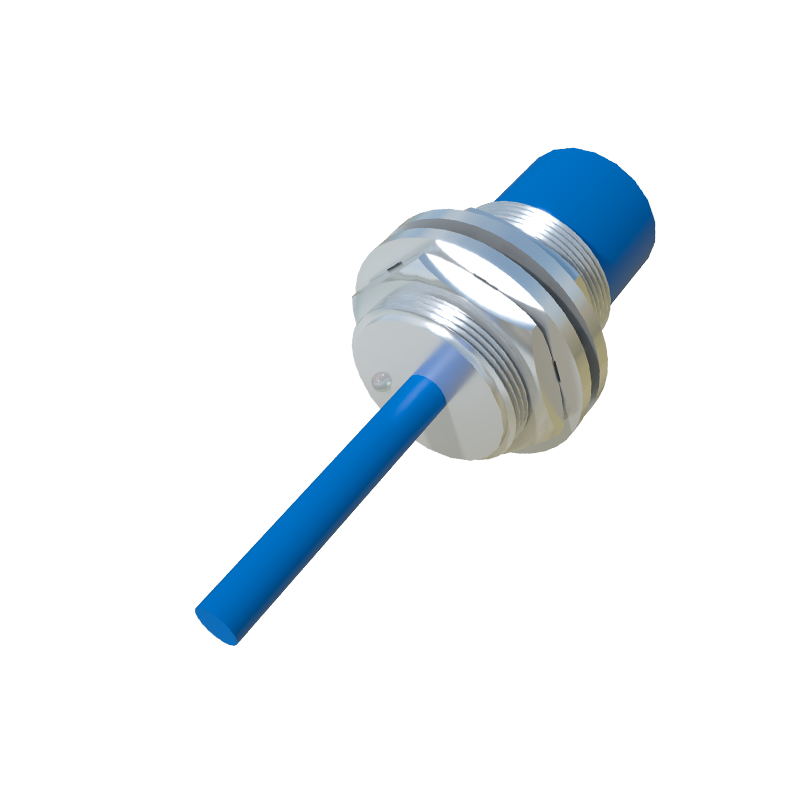
DIY repairs can seem cost-effective, with parts costing $20-$100, but they carry risks. Without proper tools and knowledge, you might cause further damage, leading to higher expenses. Professional repairs, while pricier, ensure reliability and often include warranties. For example, a DIY calibration attempt might save $50 upfront, but if done incorrectly, it could result in a $300 replacement. Professionals also have access to OEM parts and specialized equipment, reducing long-term costs. Weigh the complexity of the issue against your skills before deciding.
Tips to Minimize Repair Expenses
To reduce repair costs, implement preventive maintenance, such as regular cleaning and inspection, which can prevent 30%-40% of common issues. Purchase sensors from reputable brands with good warranty coverage and local service support. When repairs are needed, compare quotes from multiple providers and inquire about flat-rate pricing to avoid hidden fees. Consider refurbished or compatible parts as a cost-saving alternative, but ensure they meet quality standards. Lastly, document sensor performance and maintenance history to streamline diagnostics and lower labor time.
Conclusion: Investing in Sensor Longevity
Repairing a new proximity sensor is an investment in operational efficiency. While costs can be significant, timely repairs often extend sensor life and prevent costly downtime. Evaluate repair versus replacement; if repair costs exceed 60%-70% of a new sensor's price, replacement might be more economical. Always consult with industry experts to make informed decisions, and prioritize quality service to ensure optimal performance. By understanding cost drivers and adopting proactive measures, you can manage expenses effectively in industrial settings.