What is a Photoelectric Proximity Sensor?
A photoelectric proximity sensor is a non-contact electronic device designed to detect the presence, absence, or distance of an object by utilizing a light transmitter and a receiver. These sensors operate on the principle of converting light signals into electrical signals. They are fundamental components in industrial automation, robotics, packaging machinery, and safety systems due to their high precision, long sensing ranges, and versatility. Unlike mechanical switches or inductive sensors, photoelectric sensors do not require physical contact with the target, minimizing wear and tear and allowing for detection of various materials, including transparent or colored objects, depending on the technology used. The core function revolves around emitting a beam of light—often infrared, visible red, or laser—and analyzing the properties of the light that returns or is interrupted by an object in its path.
Core Components and Basic Operation
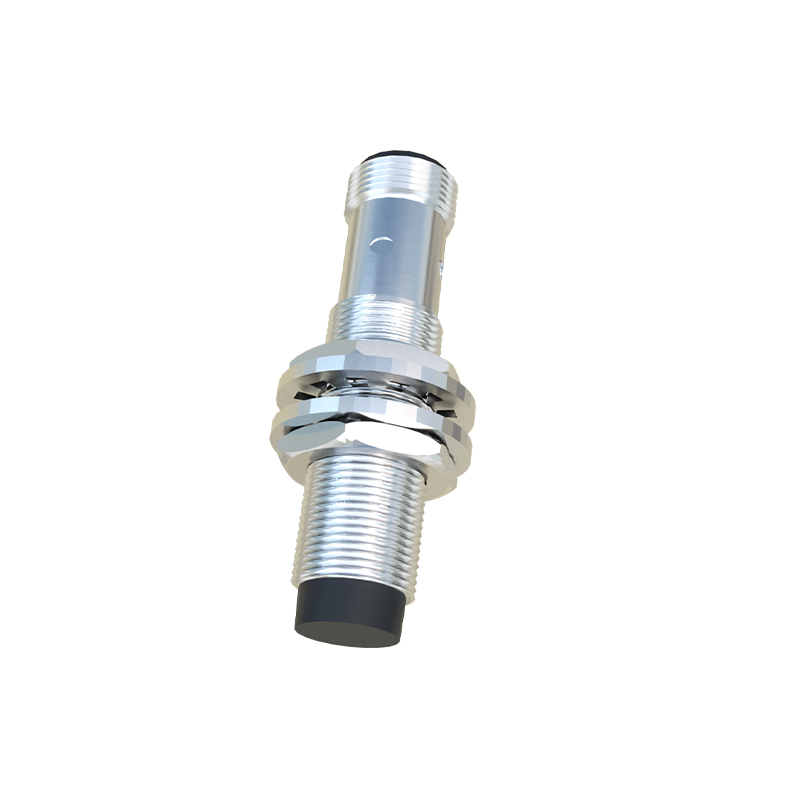
The fundamental architecture of a photoelectric sensor consists of two primary elements: a light emitter and a light receiver. The emitter, typically a light-emitting diode (LED) or a laser diode, generates a modulated light beam. Modulation involves pulsing the light at a specific frequency, which helps the sensor distinguish its own signal from ambient light, thereby enhancing reliability and noise immunity. The receiver, usually a phototransistor or photodiode, is tuned to detect this specific modulated light. When an object enters the sensing field, it alters the light beam's condition. This alteration is processed by the sensor's internal circuitry, which then triggers an output signal—commonly a switching signal (PNP/NPN) or an analog signal proportional to distance or light intensity.
Primary Operating Modes
Photoelectric proximity sensors are categorized based on how the emitted light reaches the receiver, defining three main operational modes. The first is the through-beam (or opposed) mode. Here, the emitter and receiver are housed in separate units facing each other. Detection occurs when an object physically breaks the light beam between them. This mode offers the longest possible sensing range and high reliability, ideal for precise object counting or detecting small objects. The second mode is retro-reflective. A single housing contains both emitter and receiver, and a specialized reflector bounces the light beam back. The sensor detects an object when it interrupts this reflected beam. This mode provides a good balance of range and ease of installation. The third, and most common for proximity detection, is the diffuse (or proximity) mode. Both emitter and receiver are in one unit, and the sensor detects light reflected directly off the target object itself. The sensing distance depends on the object's size, color, and surface texture.
Key Technical Characteristics
Several technical parameters define a photoelectric sensor's performance and suitability for an application. Sensing range, the maximum distance at which it can reliably detect a standard target, is a primary specification. Response time indicates how quickly the sensor can react to a change in state, critical for high-speed applications. Light sources vary; infrared is common for its invisibility and resistance to interference, red light is visible for easy alignment, and laser offers highly focused beams for precise detection. The type of output (e.g., digital switch, analog current/voltage) and electrical configuration (e.g., NPN sinking, PNP sourcing) must match the control system. Environmental factors like housing material (often IP67-rated for dust and water resistance), operating temperature, and immunity to ambient light are also crucial selection criteria.
Advantages Over Other Sensor Types
Photoelectric sensors hold distinct advantages in many scenarios compared to other proximity sensing technologies like inductive or capacitive sensors. Their primary strength is the ability to detect a vast array of materials—metal, plastic, wood, glass, and liquids—regardless of conductivity. They offer exceptionally long sensing ranges, from a few centimeters up to several meters, far exceeding the range of inductive sensors limited to metals. Furthermore, they provide high accuracy and resolution, especially laser-based models, enabling precise positioning and dimension checking. The non-contact nature ensures no mechanical stress on either the sensor or the target, leading to longer service life and maintenance-free operation in clean environments.
Common Industrial Applications
The application spectrum for photoelectric proximity sensors is extraordinarily broad. In material handling and packaging, they are used for object detection on conveyors, bottle cap inspection, and fill level control. In automotive assembly lines, they ensure part presence and correct positioning. They are integral to automated storage and retrieval systems for pallet detection and height control. In the electronics industry, they verify component placement on PCBs. Safety applications include presence sensing for machine guarding (light curtains) and door position monitoring. Their versatility also extends to food and beverage processing, pharmaceutical packaging