In the world of modern electronics, there exists a silent, unseen workforce that makes our interactions with technology seamless and intuitive. These are proximity sensors, the unassuming components that detect the presence or absence of nearby objects without any physical contact. From the moment you lift your smartphone to your ear during a call to the automatic activation of a faucet in a public restroom, proximity sensors are quietly at work, bridging the gap between human intent and machine response.
At its core, a proximity sensor is a device that emits an electromagnetic field or a beam of electromagnetic radiation, often infrared light, and looks for changes in the field or return signal. The object being sensed is often referred to as the sensor's target. Different sensor types are suited for different target materials and environmental conditions. The most common principle involves the sensor detecting the interruption of an infrared beam or a change in capacitance, inductance, or magnetic field strength.
The applications are vast and deeply integrated into daily life. In smartphones and tablets, a proximity sensor detects when a user holds the phone near their face during a call, turning off the display to save power and prevent accidental screen touches. In the automotive industry, these sensors are crucial for parking assistance systems, alerting drivers to obstacles that are not easily visible. They are also found in assembly lines, where they count objects, detect machine part positions, and ensure safety by halting machinery when a human hand comes too close.
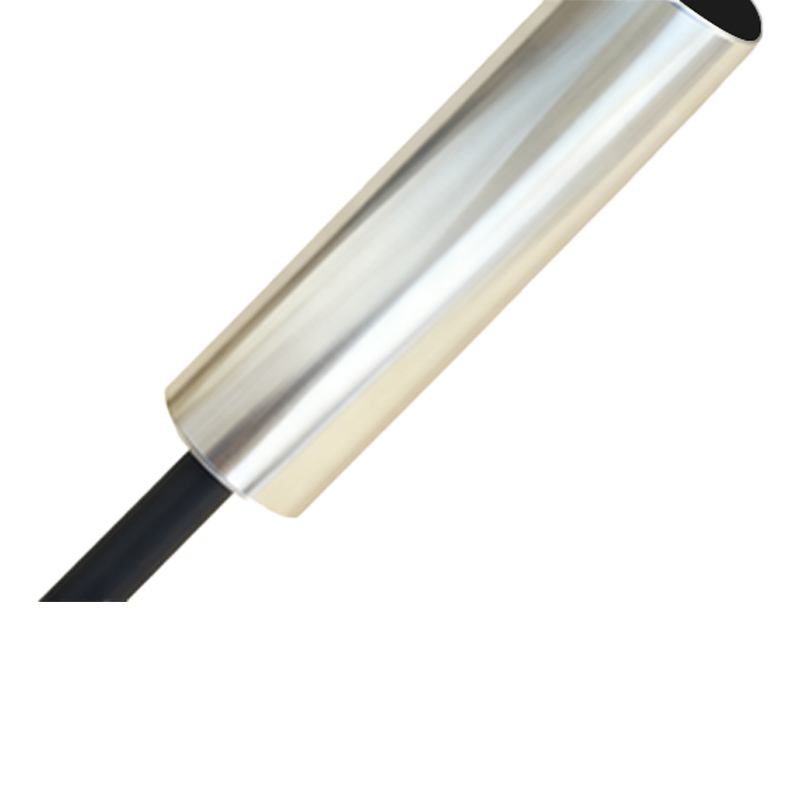
Industrial settings rely heavily on robust proximity sensors for process control and automation. Inductive sensors, for instance, are perfect for detecting metal objects in harsh environments filled with dirt, oil, or moisture, as they are non-contact and sealed. Capacitive sensors can detect almost any material, including liquids, powders, and plastics, making them ideal for level detection in tanks or presence detection on conveyor belts.
The benefits of using proximity sensors are numerous. Their non-contact nature means no physical wear and tear on the sensor or the target, leading to exceptional longevity and reliability. They can operate at high speeds, detecting objects passing by in milliseconds, which is essential for high-speed manufacturing. Furthermore, they are largely unaffected by surface conditions like color or texture, unlike some optical methods, providing consistent performance.
When selecting a proximity sensor for an application, several key factors must be considered. Sensing range, or the maximum distance at which the sensor can reliably detect a standard target, is paramount. The nature of the target material—whether it is metallic, non-metallic, liquid, or transparent—dictates the choice between inductive, capacitive, ultrasonic, or photoelectric sensors. Environmental factors such as temperature extremes, exposure to chemicals, or the presence of electrical noise also play a critical role in the selection process.
Installation and maintenance, while generally straightforward, require attention to detail. Sensors must be mounted securely and correctly aligned. For example, an ultrasonic sensor might give false readings if mounted at an angle to a reflective surface. Regular checks are needed to ensure the sensing face is clean and free from obstructions like dust or buildup, which could dampen the signal.
Looking ahead, the evolution of proximity sensing technology continues. Miniaturization allows these sensors to fit into ever-smaller wearable devices and Internet of Things (IoT) modules. Enhanced intelligence is being integrated, with sensors capable of not just detecting presence but also gauging distance with high precision or differentiating between multiple objects. This paves the way for more nuanced human-machine interfaces and sophisticated industrial robotics.
In conclusion, proximity sensors represent a fundamental enabling technology of the digital age. Their ability to provide reliable, non-contact detection makes them indispensable in creating devices that are smarter, safer, and more responsive. As technology advances towards greater autonomy and interactivity, the humble proximity sensor will undoubtedly remain a critical component, working invisibly in the background to make our interactions with the mechanical and digital worlds effortlessly smooth.