Proximity sensing is a fundamental technology in modern automation, consumer electronics, and industrial systems. Among the various methods available, Hall Effect-based proximity sensors stand out for their reliability, non-contact operation, and versatility. This technology, rooted in a discovery made over a century ago, has evolved into a cornerstone for detecting the presence, position, and motion of objects without physical touch.
The core principle is the Hall Effect, discovered by Edwin Hall in 1879. It describes the generation of a voltage difference (the Hall voltage) across an electrical conductor when a magnetic field is applied perpendicular to the current flow. A Hall Effect proximity sensor leverages this phenomenon. It typically consists of a Hall element (a thin semiconductor plate), a permanent magnet, and associated signal conditioning circuitry. When a ferromagnetic object (like a piece of iron or a magnet) approaches the sensor, it distorts or changes the strength of the magnetic field from the permanent magnet. This change alters the Hall voltage generated in the semiconductor element. The sensor's integrated electronics then process this voltage change, converting it into a clean, digital output signal that indicates the object's presence or absence beyond a predefined threshold.
The advantages of Hall Effect proximity sensors are numerous. Firstly, they are true non-contact sensors, meaning no physical interaction is required, leading to zero wear and tear and exceptionally long operational life. They are immune to environmental contaminants like dust, oil, and moisture, provided the housing is sealed, making them ideal for harsh industrial environments. They can detect both static and dynamic magnetic fields, allowing for applications in speed sensing (e.g., counting gear teeth) and position detection. Furthermore, they offer high switching frequencies and excellent repeatability.
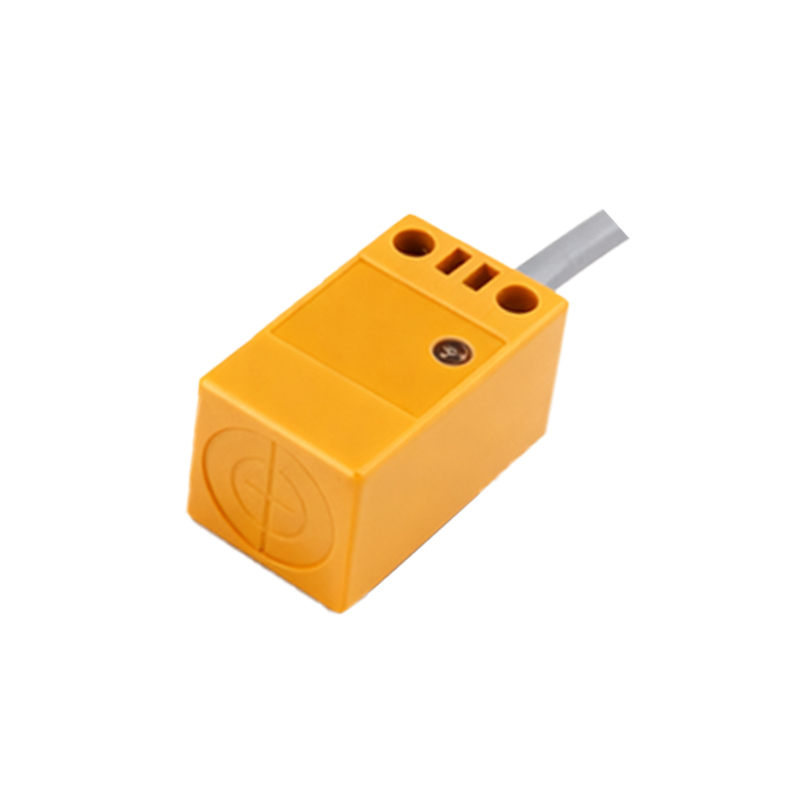
These sensors come primarily in two output types: digital (switch) and analog (linear). Digital Hall sensors act like a switch, providing a simple ON/OFF signal when the magnetic flux density exceeds a certain point. They are commonly used in limit switches, door/window sensors in security systems, and brushless DC motor commutation. Analog Hall sensors, on the other hand, produce a continuous voltage output proportional to the strength of the magnetic field. This allows for precise measurement of position or distance within a limited range, used in applications like joystick controls, throttle position sensing, and current sensing.
When comparing Hall Effect sensors to other proximity sensor types, key distinctions emerge. Unlike inductive sensors, which only detect conductive metals, Hall sensors respond specifically to magnetic fields, allowing them to detect both permanent magnets and magnetized ferrous materials. Optical sensors (photoelectric) can detect a wider variety of materials but are susceptible to interference from ambient light, dirt, and fog. Ultrasonic sensors have longer ranges but can be affected by temperature and air turbulence. The Hall sensor's strength lies in its robustness, speed, and precision in magnetic field detection.
The applications are vast and cross-industry. In the automotive sector, they are ubiquitous in anti-lock braking systems (ABS) for wheel speed sensing, in transmission for gear position, and in power windows for anti-pinch features. In industrial automation, they serve as end-position detectors in cylinders, rotary encoders, and conveyor belt speed monitors. Consumer electronics utilize tiny Hall sensors in laptops and flip phones to detect lid closure, and in smartphones for compass functionality (using a 3-axis Hall sensor). Even modern fluid level indicators in tanks often use a float with a magnet and a Hall sensor array.
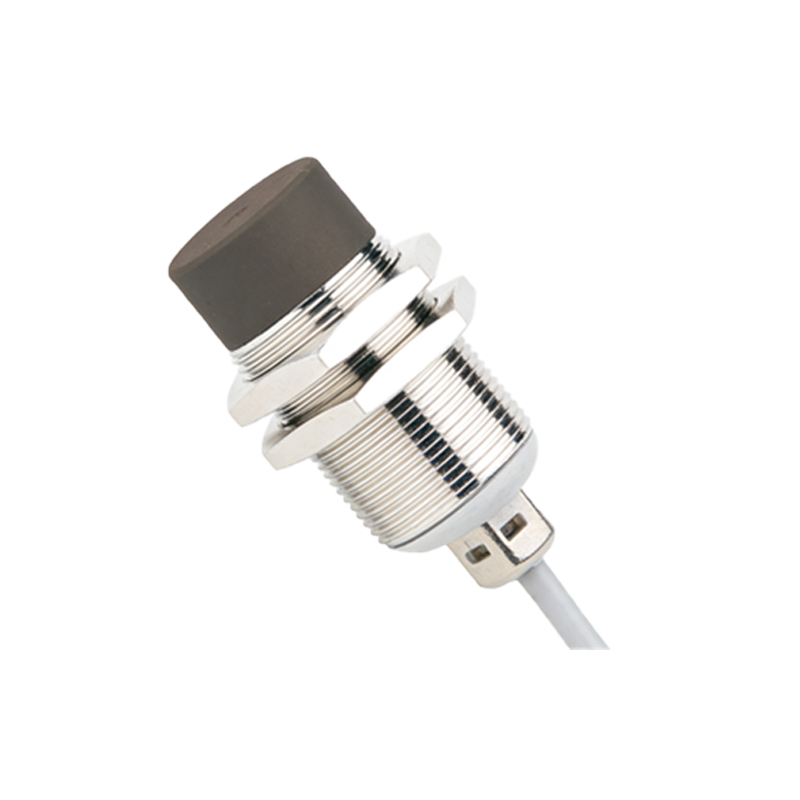
Selecting the right Hall Effect proximity sensor requires consideration of several parameters. The sensing distance, or switch point, is critical and depends on the magnet's strength and the sensor's sensitivity. The operating voltage (e.g., 5V DC, 12-24V DC) must match the control system. Output configuration (NPN/PNP sinking/sourcing for digital, voltage/current for analog) is essential for proper circuit integration. Environmental ratings like IP (Ingress Protection) for dust/water resistance and temperature range are vital for durability. Finally, the packaging—tubular, rectangular, or surface-mount—must fit the mechanical design.
Installation and usage also demand attention. The sensor must be positioned correctly relative to the target's path. Shielding from strong external magnetic fields or large currents is sometimes necessary to prevent false triggering. For reliable operation with ferrous metals, it is often recommended to use a sensor with a bi-polar design (responding to both north and south poles) or a specific pole, depending on the magnet used. Regular maintenance is minimal but involves checking for physical damage and ensuring the sensing face remains clean.
In conclusion, Hall Effect proximity sensors represent a mature, highly reliable, and adaptable sensing solution. Their ability to operate cleanly in demanding conditions through magnetic field interaction makes them indispensable in countless applications where durability, speed, and non-contact detection are paramount. From the engine of a car to the hinge of a smartphone, this