Introduction to Photoelectric Sensors in Modern Vehicles
Photoelectric sensors are critical components in the sophisticated electronic architecture of modern automobiles like the Audi A6. These sensors function by utilizing a light source, typically an LED or laser, and a photodetector to sense the presence, absence, or distance of an object. In the Audi A6, they are employed in various systems to enhance safety, convenience, and performance. Their operation is based on the modulation of light beams, providing highly accurate and non-contact detection. Understanding their general principle is key to appreciating their specific applications and locations within the vehicle's complex ecosystem.
Primary Locations of Photoelectric Sensors in the Audi A6
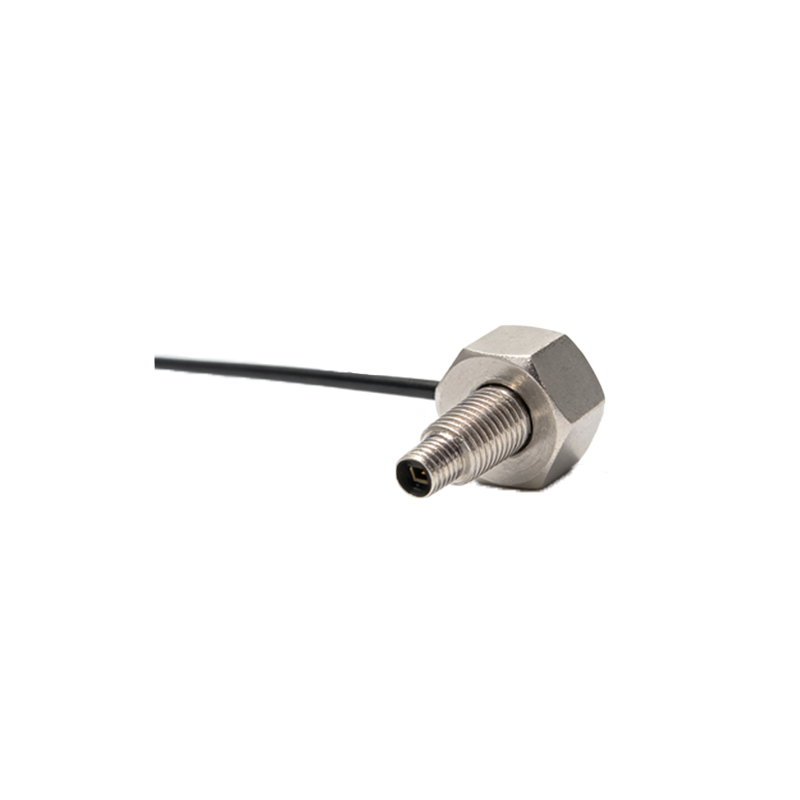
The Audi A6 integrates photoelectric sensors in several key areas. One of the most common locations is within the automatic rain-sensing wiper system. Here, the sensor is mounted on the interior side of the windshield, directly behind the rearview mirror assembly. It projects infrared light onto the glass and measures the amount of light reflected back; moisture or dirt on the windshield alters this reflection, triggering the wipers. Another crucial application is in the automatic headlight and high-beam assist systems. The sensor for ambient light detection is often located on the top of the dashboard, near the base of the windshield, or integrated into the rearview mirror housing to gauge external lighting conditions.
Sensor Placement for Advanced Driver Assistance Systems (ADAS)
Advanced Audi A6 models equipped with comprehensive ADAS suites, such as Audi Pre Sense, utilize arrays of photoelectric sensors, often in conjunction with radar and cameras. These are primarily housed within the front grille, the lower front bumper area, and the side mirror housings. They serve functions like adaptive cruise control, collision avoidance, and blind-spot monitoring. The sensors emit pulsed infrared light (LiDAR principles in some advanced versions) to create a precise map of the vehicle's surroundings. Their placement is meticulously calibrated to provide an unobstructed field of view, and they are typically housed within sleek, integrated modules to maintain the vehicle's aerodynamics and aesthetics.
Interior and Convenience System Sensors
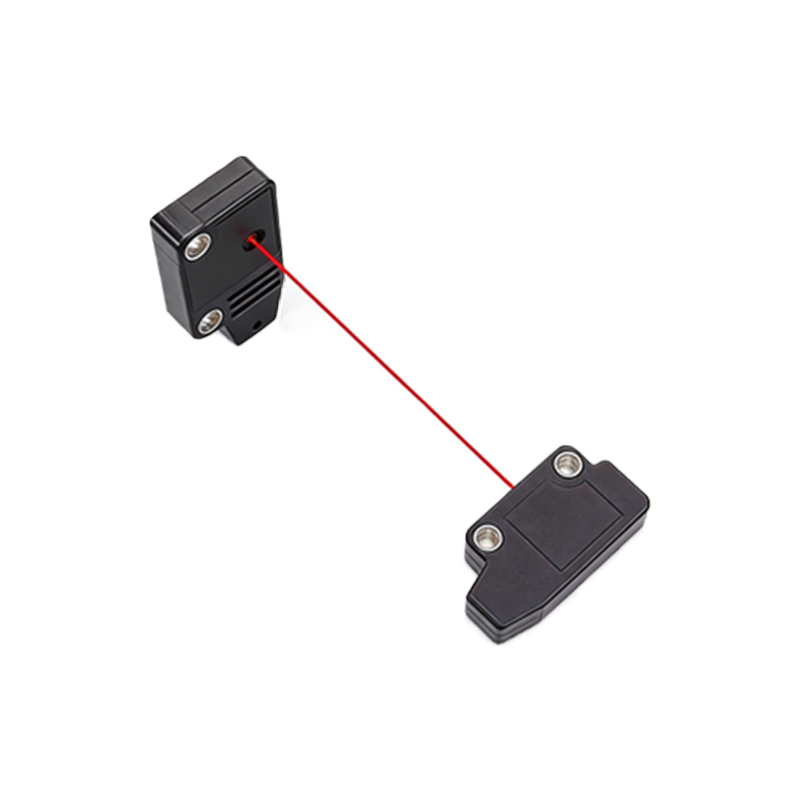
Inside the cabin, photoelectric sensors contribute to passenger comfort and security. A prominent example is the interior monitoring system for the anti-theft alarm. Small sensors, often located in the overhead console or the B-pillars, use infrared beams to detect movement within the locked vehicle. Furthermore, photoelectric sensors are integral to the automatic dimming function for the interior rearview mirror and sometimes the exterior side mirrors. The sensor for this is embedded in the mirror housing itself, facing forward to detect glare from trailing headlights and automatically tint the mirror to reduce eye strain.
Diagnostic Access and Physical Identification
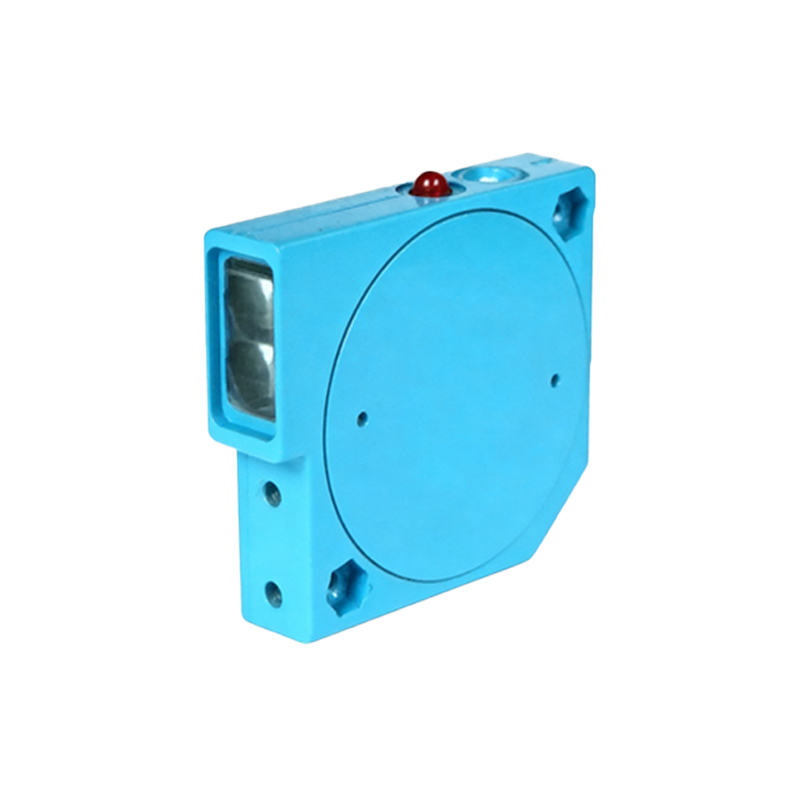
For diagnostic purposes, physically locating a specific photoelectric sensor requires consulting the Audi A6's specific workshop manuals or wiring diagrams, as exact placement can vary by model year and trim level. Access to the rain/light sensor behind the windshield usually requires careful removal of the plastic housing surrounding the rearview mirror. Sensors in the bumper or grille may require partial removal of these panels for inspection or replacement. Visually, these sensors appear as small, lens-covered modules, often black or dark grey, with an electrical connector. It is vital to handle these components with care, as the optical surfaces are easily scratched or contaminated.
Common Symptoms of a Faulty Photoelectric Sensor
Failure or malfunction of a photoelectric sensor in an Audi A6 manifests in specific system dysfunctions. A faulty rain sensor may result in wipers not activating automatically, operating erratically, or failing to adjust speed appropriately. A defective ambient light sensor can cause automatic headlights to remain on during the day or fail to illuminate at night. Issues with ADAS-related sensors often trigger warning messages on the instrument cluster, such as "Audi Pre Sense: Limited Function" or "Front Assist: Not Available," accompanied by relevant system deactivation. Intermittent faults may also cause sporadic warning lights.
Troubleshooting and Professional Service Recommendations
Initial troubleshooting should involve a diagnostic scan using an OBD-II scanner capable of accessing the specific control modules (e.g., for convenience, lighting, or driver assistance). This will reveal fault codes pointing to circuit malfunctions, implausible signals, or sensor failures. Before replacing a sensor, technicians must check for simple issues like a dirty windshield obstructing the rain sensor, damaged wiring, or corroded connectors. Due to the need for precise calibration—especially for ADAS sensors like those for adaptive cruise control—professional diagnosis and repair at an Audi dealership or a specialized shop with the proper calibration tools and software is strongly recommended to ensure all systems function correctly and safely.