Introduction to Sensor Technologies
In the realm of industrial automation and control systems, sensors act as the fundamental sensory organs, providing critical data on the presence, position, or condition of objects. Two predominant categories in this domain are photoelectric sensors and mechanical sensors. While both serve the essential purpose of detection, their operating principles, applications, advantages, and limitations differ significantly. This article delves into a comparative analysis of these two sensor types, offering insights into their suitability for various industrial environments and tasks. Understanding the core distinctions is paramount for engineers and system designers to optimize performance, reliability, and cost-effectiveness in automated processes.
Operating Principle of Photoelectric Sensors
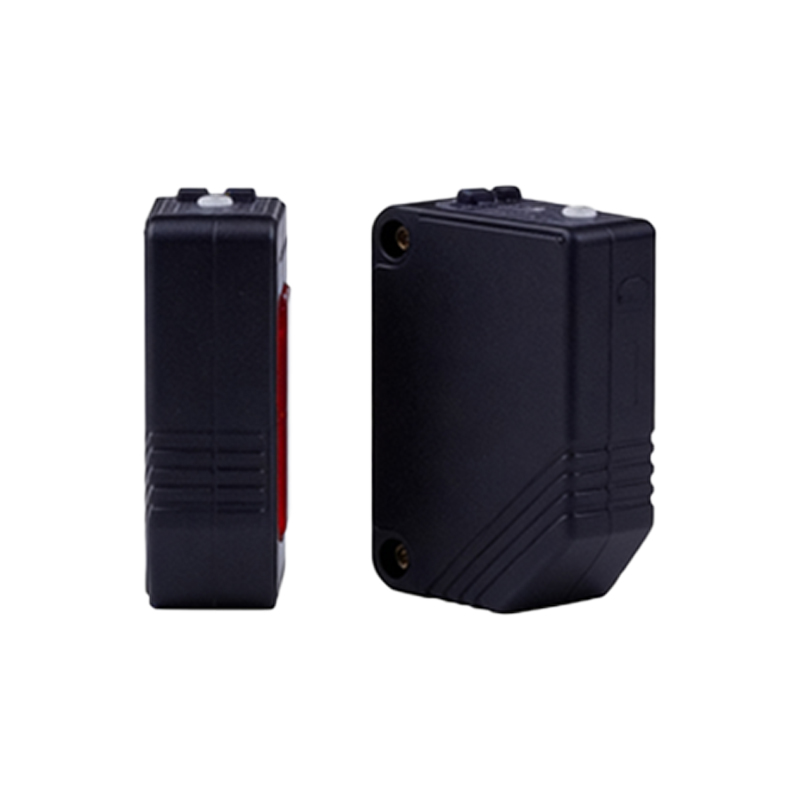
Photoelectric sensors function by emitting a beam of light, typically from an LED or laser diode, and detecting changes in the received light signal. The basic components include an emitter, a receiver, and associated control circuitry. They operate primarily in three modes: through-beam, retro-reflective, and diffuse reflective. In through-beam mode, the emitter and receiver are separate units; an object is detected when it interrupts the light beam. Retro-reflective sensors use a single unit with both emitter and receiver, relying on a reflector to bounce the light back; detection occurs when the beam is blocked. Diffuse sensors detect objects by measuring the light reflected directly from the target itself. This non-contact method of detection is a key differentiator, relying on the modulation and interruption of light rather than physical interaction.
Operating Principle of Mechanical Sensors
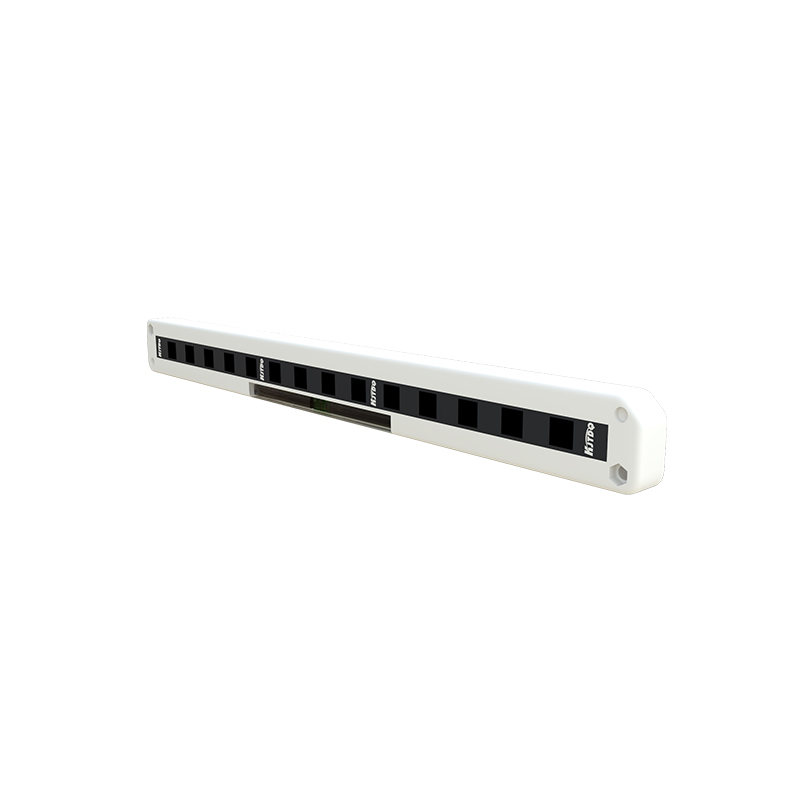
Mechanical sensors, in contrast, are contact-based devices. They detect the presence or position of an object through direct physical interaction. Common types include limit switches, tactile sensors, and pressure-sensitive devices. A standard limit switch, for example, features an actuator arm or plunger. When an object makes contact with this actuator, it triggers an internal mechanical movement—such as the opening or closing of electrical contacts—which sends a signal to the control system. The detection event is inherently tied to physical force and displacement. This fundamental reliance on contact defines their operational character and directly influences their application scenarios and wear characteristics.
Key Advantages of Photoelectric Sensors
Photoelectric sensors offer several compelling advantages. Their non-contact nature means there is no physical wear on the sensor from the detection action itself, leading to exceptionally long operational life and minimal maintenance. They can detect objects from a considerable distance, with some models offering ranges of tens of meters. Furthermore, they are capable of sensing a wide variety of materials, including glass, plastic, metal, and liquids, provided the object affects the light beam. They offer very high switching speeds, suitable for high-speed production lines and counting applications. Additionally, their ability to detect small objects and precise positions makes them ideal for intricate automation tasks.
Key Advantages of Mechanical Sensors
Mechanical sensors, particularly limit switches, possess their own set of robust advantages. They are renowned for their simplicity, ruggedness, and high tolerance to harsh industrial environments. They are generally unaffected by factors that plague optical systems, such as ambient light interference, dust, fog, or color and reflectivity variations of the target object. Their operation is straightforward and easy to understand, troubleshoot, and wire. They provide a positive, physical actuation feel, which in many safety-critical or high-vibration applications is considered a reliable fail-safe. In terms of cost, basic mechanical limit switches are often less expensive upfront than their photoelectric counterparts.
Limitations and Considerations for Photoelectric Sensors
Despite their versatility, photoelectric sensors have limitations. Their performance can be adversely affected by environmental conditions. Dust, steam, oil mist, or heavy contamination can scatter or block the light beam, causing false triggers or detection failures. The color, transparency, and surface finish of the target object can significantly influence the sensing distance and reliability; a shiny surface might reflect light away from the receiver, while a dark, matte surface might absorb too much. They typically require more careful alignment and setup than mechanical switches. Furthermore, they are generally more susceptible to electrical noise and are often more costly than simple mechanical switches.
Limitations and Considerations for Mechanical Sensors
The primary limitation of mechanical sensors is contact-based wear. The constant physical impact and friction on the actuator mechanism lead to eventual mechanical fatigue and failure, necessitating periodic replacement. This makes them less suitable for high-cycle applications. The need for physical contact also limits detection speed and may not be feasible for fragile or easily marred products. They can cause product deformation or marking in some cases. Their sensing range is very limited, essentially to the physical length of the actuator arm. In applications requiring detection of non-solid materials like liquids or powders, mechanical sensors are usually not applicable.
Typical Application Scenarios
The choice between sensor types is heavily dictated by the application. Photoelectric sensors excel in high-speed bottling lines, packaging machinery, material handling for object counting and positioning, semiconductor manufacturing, and clean rooms where non-contact is crucial. They are also preferred for detecting transparent objects or in applications where the target cannot tolerate any physical force. Mechanical limit switches are stalwarts in heavy machinery, crane and hoist limit control, door and gate position monitoring, safety interlocks on machine guards, and in extremely dirty or oily environments where optical sensors would be blinded. They serve as reliable "end-of-travel" detectors in many motion control systems.
Selection Criteria for System Design
When integrating sensors into a system, engineers must evaluate multiple factors. First, consider the nature of the target: Is it solid? Is it fragile? What is its surface property? Second, assess the operating environment: Is it clean, dusty, wet, or oily? What are the temperature and vibration levels? Third, define performance requirements: Needed sensing distance, required response speed, and duty cycle. Fourth, evaluate lifecycle costs, including initial purchase price, installation time, maintenance needs, and meandown time due to failure. Often, a hybrid approach using both technologies in different parts of a machine provides the optimal balance of reliability, performance, and cost.
Conclusion and Future Outlook
Both photoelectric and mechanical sensors are indispensable tools in the industrial automation toolkit. The non-contact, high-speed, and versatile photoelectric sensor continues to advance with improvements in laser technology, background suppression, and IO-Link communication for smart sensor capabilities. The mechanical sensor remains a symbol of rugged, simple, and cost-effective reliability. The trend towards Industry 4.0 and IIoT favors sensors with diagnostic data and networking features, an area where advanced photoelectric sensors are rapidly evolving. However, the fundamental reliability of a mechanical contact in extreme conditions ensures its enduring role. The informed selection, based on a clear understanding of their respective principles and trade-offs, is key to designing robust and efficient automated systems.