Introduction to Nanshan Square Photoelectric Sensors
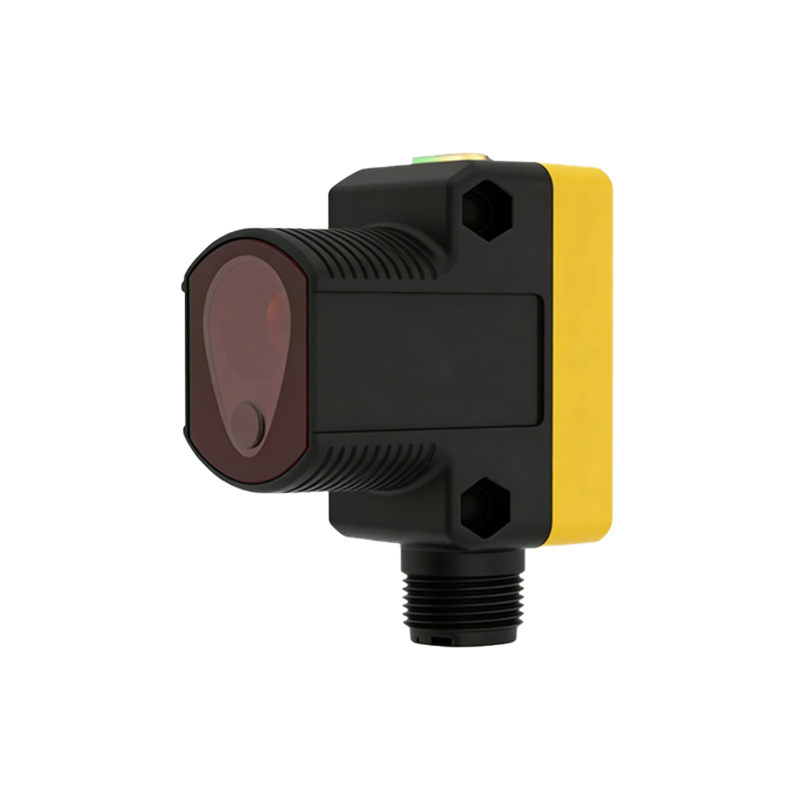
Nanshan square photoelectric sensors are precision-engineered devices designed for industrial automation applications. These sensors utilize advanced optical technology to detect the presence, absence, or position of objects without physical contact. The square housing design offers robust protection against environmental factors such as dust, moisture, and mechanical impacts, making them suitable for harsh operating conditions. With a focus on reliability and accuracy, these sensors are integral to modern manufacturing, packaging, and material handling systems. Their compact form factor allows for easy integration into various machinery, enhancing operational efficiency and reducing downtime.
Key Technical Specifications and Features
The technical specifications of Nanshan square photoelectric sensors include a wide sensing range, typically from a few centimeters to several meters, depending on the model. They operate on standard voltage inputs, such as 12-24V DC, ensuring compatibility with most industrial control systems. Key features include adjustable sensitivity, which allows for fine-tuning to detect objects of different sizes and materials, and a fast response time, often in the millisecond range, for high-speed applications. Additionally, many models incorporate LED indicators for status monitoring and built-in protection against reverse polarity and short circuits, enhancing durability and safety in demanding environments.
Applications in Industrial Automation
In industrial settings, Nanshan square photoelectric sensors are widely used for object detection, counting, and positioning tasks. For example, in conveyor belt systems, they monitor product flow and trigger actions like sorting or stopping machinery when anomalies are detected. In packaging lines, these sensors ensure precise filling levels and label placement by detecting containers or materials. They also play a crucial role in safety systems, such as light curtains, where they help prevent accidents by sensing intrusions into hazardous zones. Their versatility extends to industries like automotive, electronics, and food processing, where consistent performance is essential for quality control.
Advantages Over Other Sensor Types
Compared to other sensor types, such as inductive or capacitive sensors, Nanshan square photoelectric sensors offer distinct advantages. They can detect a broader range of materials, including transparent, opaque, and reflective surfaces, thanks to their optical sensing principle. This makes them more flexible in diverse applications. The non-contact operation minimizes wear and tear, leading to longer service life and reduced maintenance costs. Furthermore, their square design provides better mounting stability and alignment, ensuring accurate detection even in vibrating or misaligned setups. These benefits contribute to improved system reliability and overall cost-effectiveness in automation projects.
Installation and Maintenance Guidelines
Proper installation is critical for optimal performance of Nanshan square photoelectric sensors. It is recommended to mount them securely using brackets or screws, ensuring the sensing beam is aligned perpendicular to the target object for maximum accuracy. Environmental factors like ambient light, dust, or temperature extremes should be considered during placement; using protective enclosures or filters may be necessary in some cases. For maintenance, regular cleaning of the lens with a soft cloth is advised to prevent false triggers due to dirt accumulation. Periodic checks of electrical connections and sensitivity settings can help sustain long-term functionality, with most models designed for easy calibration without specialized tools.
Future Trends and Innovations
The future of Nanshan square photoelectric sensors is shaped by ongoing innovations in industrial automation. Emerging trends include the integration of IoT capabilities, enabling remote monitoring and data analytics for predictive maintenance. Enhanced sensing technologies, such as multi-beam arrays and AI-driven algorithms, are expected to improve detection accuracy for complex objects and environments. Additionally, advancements in materials science may lead to more compact and energy-efficient designs, supporting sustainable manufacturing practices. As industries adopt smarter, interconnected systems, these sensors will continue to evolve, offering greater precision and adaptability to meet evolving automation demands.