Understanding the Fundamental Principle
At the core of every photoelectric sensor lies a simple yet critical operational concept: the Normally Open (NO) and Normally Closed (NC) contact configuration. This designation refers to the state of the sensor's output signal when no target object is present within its detection range. A Normally Open sensor provides an output signal only when an object is detected, effectively "closing" the circuit upon detection. Conversely, a Normally Closed sensor maintains an active output signal in its idle state and interrupts or "opens" that signal when an object is detected. This fundamental choice is not merely a technical specification but a strategic decision that directly impacts system safety, logic design, and operational reliability.
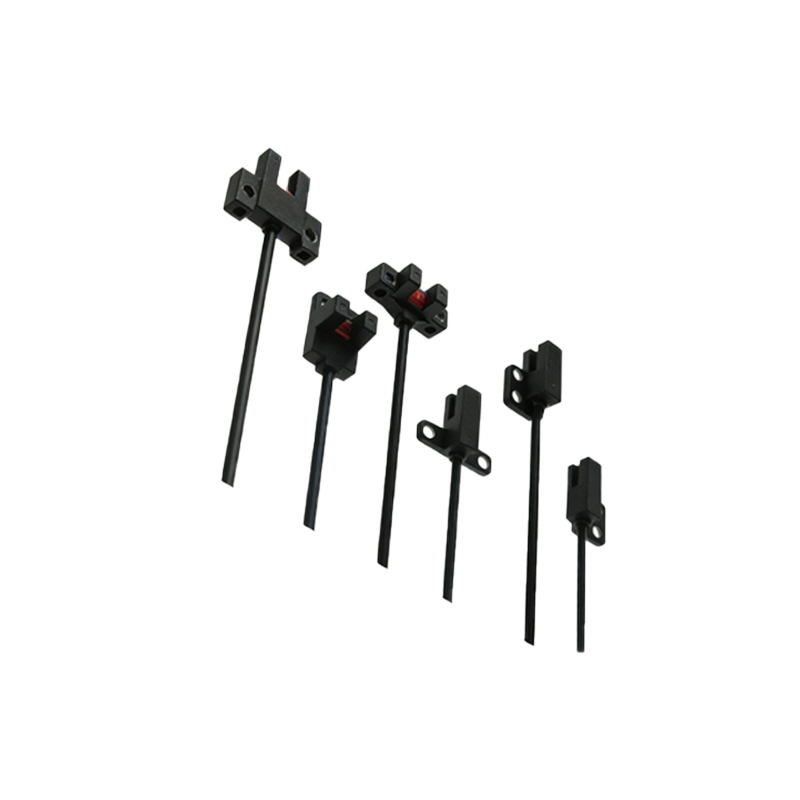
Prioritizing Safety and Fail-Safe Design
The paramount consideration in selecting between NO and NC configurations is the implementation of a fail-safe design. This principle dictates that in the event of a system failure—such as a wire break, power loss, or sensor malfunction—the equipment should default to the safest possible state. For safety-critical applications, such as guarding a hazardous machine area, a Normally Closed circuit is almost always mandated. If the light beam is broken (object detected) or if the sensor fails or its wiring is severed, the circuit opens, triggering an immediate machine stop or alarm. This ensures that a failure cannot be misinterpreted as a "safe, no object present" condition. An NO sensor in the same scenario would fail "silently," potentially creating a dangerous situation.
Aligning with Control System Logic
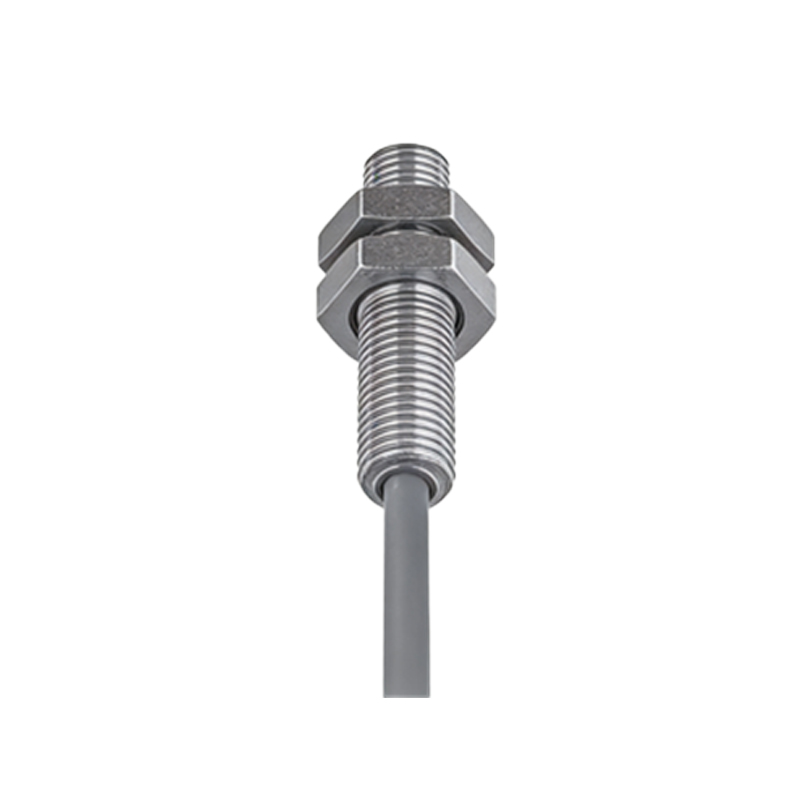
The choice must seamlessly integrate with the programmable logic controller (PLC) or other control system's programming logic and the desired machine sequence. An NO sensor's behavior—active only on detection—often aligns intuitively with commands like "start conveyor when box is present." However, an NC sensor can simplify logic in certain scenarios. For instance, in a material presence check where the normal state is material in place, an NC sensor would trigger an alarm only when the material is missing, often resulting in cleaner and more straightforward ladder logic or function block diagrams. The decision should minimize complex programming workarounds and reduce the potential for logic errors.
Evaluating Application-Specific Requirements
Different industrial applications naturally lean towards one configuration. For standard counting, positioning, or object detection tasks where an action is initiated by an object's presence, NO sensors are typically straightforward and effective. NC sensors excel in monitoring for absence or break-in detection. Consider a paper break detection system in a printing press; an NC sensor with the beam constantly on the paper would immediately signal a fault the moment the paper tears and breaks the beam. Similarly, for monitoring the continuity of a product stream on a fast-moving line, an NC configuration provides immediate feedback on any gap or stoppage.
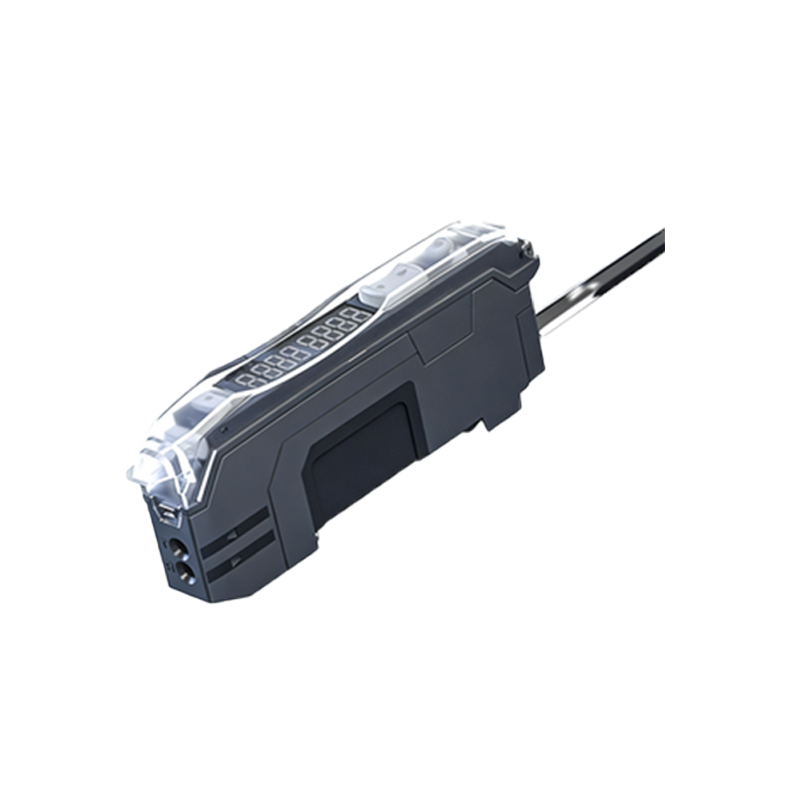
Considering Electrical Load and Wiring
While modern solid-state outputs have minimized the difference, the electrical characteristics can still influence the choice. Historically, NC contacts on electromechanical relays carried the load current continuously, which could affect contact life. In modern DC sinking (NPN) or sourcing (PNP) sensor outputs, the choice affects the default current flow. Designers must ensure the chosen sensor type (NO or NC) is compatible with the PLC input card's expected behavior (sinking or sourcing). Furthermore, wiring multiple sensors in series is more logically performed with NC contacts for safety circuits, while parallel wiring is typical for NO sensors in standard detection networks.
Making the Final Decision: A Practical Checklist
To systematically arrive at the correct choice, engineers should follow a checklist. First, identify the safe state: What must happen if the sensor fails? If safety requires an alarm or stop, default to NC. Second, define the primary trigger: Is the system reacting to an object's "presence" or "absence"? Presence often suggests NO; absence suggests NC. Third, review the control logic: Which configuration yields the simplest, most error-proof program? Fourth, consult any industry or machinery safety standards (e.g., ISO 13849) which may prescribe a specific configuration. Finally, document the rationale for the choice to ensure consistency during maintenance, troubleshooting, and future system modifications.