Introduction to Proximity Sensing
Proximity sensors are indispensable components in modern industrial automation, robotics, and safety systems. They detect the presence or absence of an object without physical contact, relying on changes in an electromagnetic field. At the heart of many inductive proximity sensors lies a critical component: the magnetic core. This element, often overlooked, is fundamental to the sensor's performance, sensitivity, and reliability. Its design and material composition directly influence the range, accuracy, and stability of the detection process.
Fundamental Function of the Magnetic Core
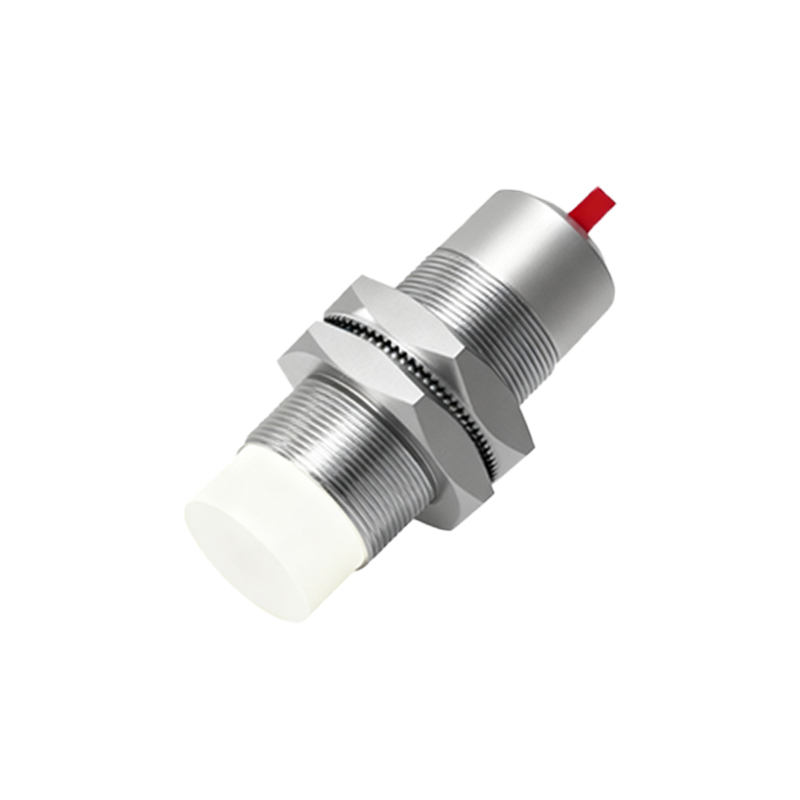
The primary role of the magnetic core is to concentrate and guide the magnetic flux generated by the sensor's coil. In a typical inductive proximity sensor, an alternating current passes through a coil, creating an oscillating electromagnetic field around it. When a metallic target enters this field, eddy currents are induced on the target's surface. These eddy currents create their own opposing magnetic field, which alters the original field's characteristics. The magnetic core serves as a high-permeability path, effectively channeling and intensifying this magnetic flux. This concentration increases the coupling efficiency between the sensor's coil and the target, leading to a more significant and detectable change in the coil's impedance or inductance.
Enhancing Sensitivity and Sensing Range
By effectively focusing the magnetic field lines, the magnetic core significantly boosts the sensor's sensitivity. A well-designed core allows the electromagnetic field to project further and more defined into the sensing area. This directly translates to an increased nominal sensing distance (Sn). For a given coil size and oscillator power, the inclusion of a suitable magnetic core can extend the detectable range. Furthermore, it improves the sensor's ability to detect smaller or less conductive targets by amplifying the subtle changes in the magnetic field caused by these objects. The shape of the core—often ferrite pot cores or E-cores—is engineered to shape the field for optimal frontal or lateral sensing patterns.
Improving Stability and Noise Immunity
Industrial environments are rife with electromagnetic interference (EMI) from motors, drives, and other equipment. A magnetic core contributes to the sensor's stability by providing a dedicated, low-reluctance path for the intended magnetic flux. This design helps contain the field within a more controlled volume, reducing its susceptibility to external stray magnetic fields. Consequently, the sensor exhibits better noise immunity and is less prone to false triggering. The core's material, typically ferrite or other soft magnetic composites, is chosen for its high resistivity, which minimizes eddy current losses within the core itself at the operating frequency, ensuring efficient and stable operation.
Material Selection and Core Design
The choice of material for the magnetic core is paramount. Ferrites, which are ceramic compounds of iron oxide blended with other metals like manganese or zinc, are most common. They offer high magnetic permeability, excellent resistivity to reduce core losses, and good temperature stability. The specific grade of ferrite is selected based on the sensor's operating frequency. The physical design of the core also varies. Shielded sensors use a core design that focuses the field radially from the front face, making them ideal for flush mounting in metal. Unshielded sensors may have a different core structure that allows a longer, more extended field, suitable for sensing from the side or in non-metallic housings.
Impact on Sensor Performance Characteristics
The magnetic core's properties directly dictate key sensor specifications. The core material's temperature coefficient affects the sensor's operational temperature range and thermal drift. The saturation flux density of the core material limits the maximum magnetic field strength, influencing the sensor's output stability under extreme conditions. Hysteresis losses in the core can affect response times and power consumption. Engineers must balance these factors to achieve the desired performance, such as a high switching frequency, minimal hysteresis, and consistent operation across a wide temperature span, all of which are influenced by the core's design and material science.
Conclusion and Industry Applications
In summary, the magnetic core is not merely a passive component but an active enabler of performance in inductive proximity sensors. It acts as the field director and amplifier, crucial for achieving precise, reliable, and robust non-contact detection. From high-speed counting on production lines and precise position feedback in CNC machinery to safety interlocks on automated doors, the effectiveness of these applications hinges on the optimized performance delivered by the sensor's magnetic core. Ongoing advancements in magnetic materials and core geometries continue to push the boundaries of what proximity sensors can achieve in terms of miniaturization, range, and environmental resilience.