Introduction to 8-Channel Photoelectric Sensors
In the realm of industrial automation, the 8-channel photoelectric sensor stands as a pivotal component for complex detection and control tasks. An image of such a sensor typically reveals a compact, robust housing containing eight independent sensing units. These units, often arranged in a linear or grid pattern, allow for simultaneous monitoring of multiple points or objects along a production line. The visual representation is crucial for engineers, as it conveys not just the physical form factor for mounting considerations, but also hints at the internal sophistication—each channel can be independently configured for through-beam, retro-reflective, or diffuse reflective sensing modes. This modular design, evident in a well-composed product image, underscores the sensor's versatility in applications ranging from packaging and material handling to assembly verification and robotic guidance.
Deciphering the Key Visual Elements in the Image
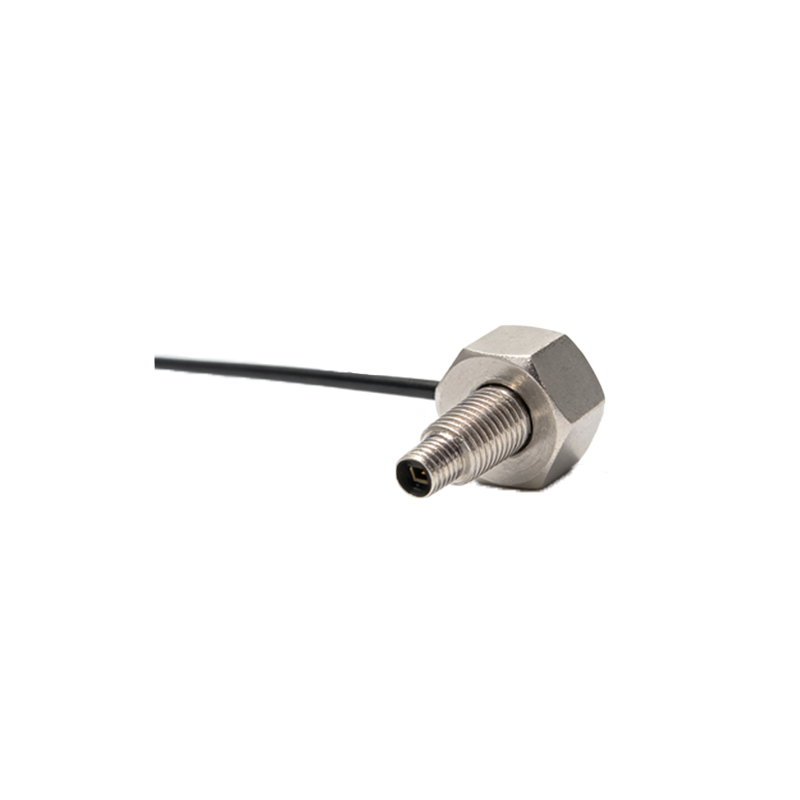
A high-quality technical image of an 8-channel photoelectric sensor provides more than an aesthetic overview; it is a source of critical installation and operational data. First, the lens apertures for each channel are clearly visible, indicating the beam emission and reception points. Their spacing and alignment are paramount for precise multi-point registration. Second, the status indicator LEDs, usually one per channel, are a standout feature. In an operational image, these LEDs provide immediate visual feedback on the sensing state of each individual channel—crucial for rapid commissioning and troubleshooting. Third, the image should clearly show the connection interface, typically a multi-pin M12 or M8 circular connector, or a terminal block, which is essential for planning the wiring harness. The housing material, often IP67-rated polycarbonate or metal, is also visually apparent, indicating the device's suitability for harsh industrial environments.
Technical Specifications and Performance Insights
While an image conveys form, it implicitly points to function and specification. The compactness seen in the picture directly relates to space-saving design for dense control panels. The sensing range, though not quantifiable from a picture, is often suggested by the lens type and size. For instance, a sensor with focused lenses implies a longer, more precise sensing range suitable for detecting small objects. The response time, a critical performance parameter, is linked to the advanced circuitry housed within the unit pictured. Modern 8-channel sensors, as depicted in contemporary product photos, integrate powerful microprocessors that enable features like adjustable sensitivity per channel, teach-in functionality, and short-circuit protection. The image thus serves as a gateway to understanding the high-speed, reliable performance required for synchronizing complex automated processes.
Application Scenarios Illustrated Through Setup Imagery
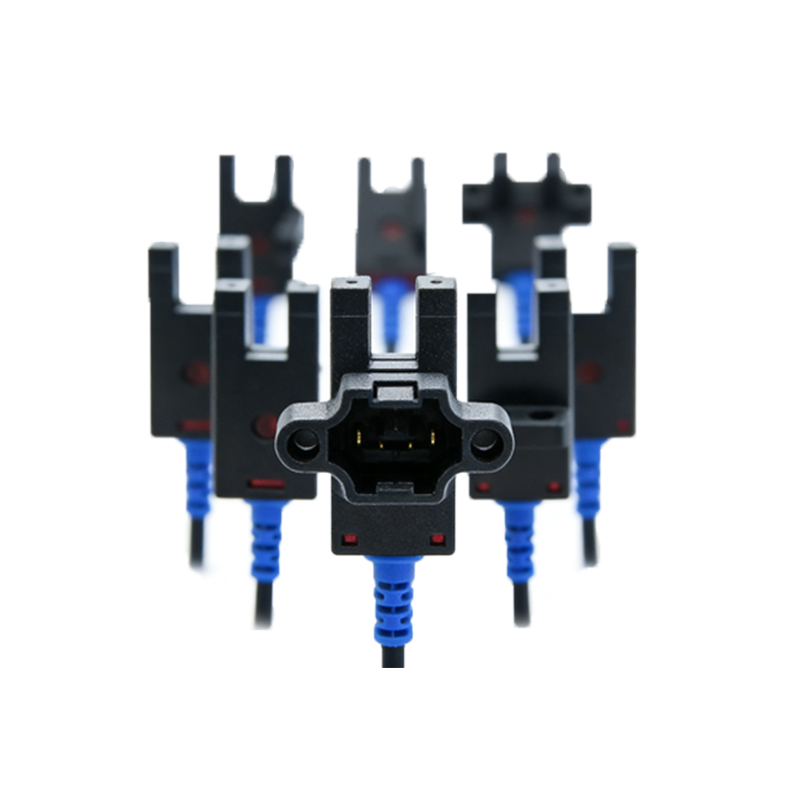
Contextual application images are invaluable. They might show the sensor mounted on a conveyor frame, with its eight beams creating an invisible detection curtain to count, sort, or check the orientation of passing items. Another common scenario depicted is in robotic cell safety, where multiple beams form a light curtain to protect personnel. The image helps visualize the precise alignment needed between the transmitter and receiver units in a through-beam setup across all eight channels. In assembly line images, one can see how these sensors verify the presence of multiple components on a circuit board or an engine block simultaneously. These visual examples bridge the gap between the isolated product photo and its real-world utility, demonstrating how a single device replaces eight individual sensors, simplifying wiring, reducing cabinet space, and lowering overall system cost and complexity.
Integration and Wiring Considerations
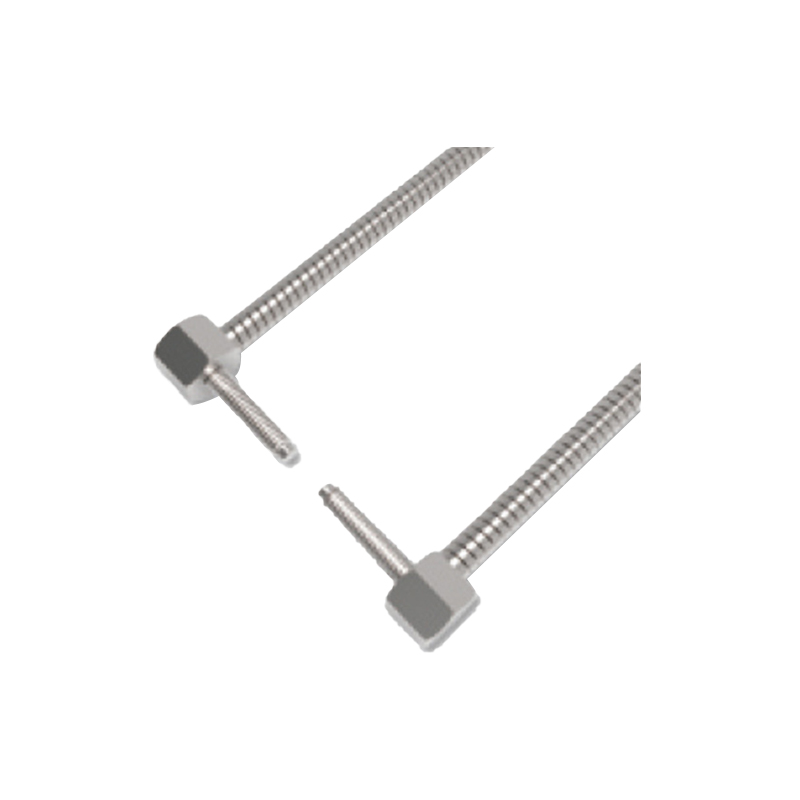
A detailed wiring diagram or an image of the sensor's rear connector block is often as important as the front-facing product shot. For an 8-channel unit, the wiring strategy is key. Images showing daisy-chaining for power or the use of a bus system (like IO-Link) highlight modern integration trends. The visual of a single, robust cable connecting to a programmable logic controller (PLC) emphasizes the reduction in wiring effort compared to discrete sensors. Furthermore, product images sometimes include graphical representations of the output configurations (PNP/NPN, NO/NC per channel), which are essential for electrical engineers designing the control circuit. This visual data ensures correct integration, preventing miswiring that could lead to system failure or damaged components.
Advantages Over Discrete Single-Point Sensors
The comparative advantage is starkly visible. A side-by-side image of eight individual sensors versus one 8-channel unit immediately communicates benefits in terms of physical footprint and installation neatness. The consolidated design reduces mounting points, minimizes potential alignment issues across multiple separate units, and presents a cleaner, more professional installation. The image reinforces the message of centralized diagnostics—instead of checking eight different devices, an engineer can monitor all channels from a single status LED array. This visual comparison powerfully argues for the efficiency and reliability gains offered by multi-channel photoelectric solutions in space-constrained or high-density automation environments.
Selection Criteria and Future Trends
Finally, product imagery often aligns with selection criteria. Does the image show a rugged, washdown-ready sensor for food and beverage? Or a precise, high-speed variant for electronics manufacturing? The visual cues guide the initial selection. Looking ahead, images of next-generation 8-channel sensors are beginning to showcase integrated networking capabilities, with built-in Ethernet/IP or PROFINET ports visible on the housing. Others might highlight enhanced diagnostic features through advanced LED patterns or QR codes on the label for instant access to digital manuals. These evolving visual characteristics in product photos signal the industry's move towards smarter, more connected, and easier-to-maintain sensing solutions that fit seamlessly into Industry 4.0 and IIoT frameworks.