Introduction to U-Groove Proximity Sensors
U-groove proximity sensors, also known as slot sensors, are specialized devices designed for non-contact detection in industrial environments. These sensors feature a unique U-shaped groove that allows objects to pass through the sensing area, enabling precise detection of small components, edges, or markings. Unlike standard proximity sensors, the U-groove design provides a confined sensing zone, making them ideal for applications requiring high accuracy and repeatability. They operate primarily on inductive, photoelectric, or capacitive principles, with inductive types being the most common for metal detection. The robust construction of these sensors ensures reliable performance in harsh conditions, including exposure to dust, moisture, and mechanical stress.
Working Principles and Technology
The core functionality of U-groove proximity sensors relies on electromagnetic or optical fields generated within the groove. Inductive U-groove sensors emit an oscillating magnetic field from one side of the groove; when a metallic object enters the slot, it disrupts the field, triggering a signal change. Photoelectric versions use a light emitter and receiver aligned across the groove, detecting interruptions in the light beam by opaque objects. Capacitive sensors measure changes in capacitance when an object enters the sensing zone, suitable for non-metallic materials. Advanced models incorporate digital signal processing to enhance sensitivity and reduce false triggers. These sensors typically offer output options such as NPN, PNP, or analog signals, allowing seamless integration with PLCs and control systems.
Key Advantages in Industrial Applications
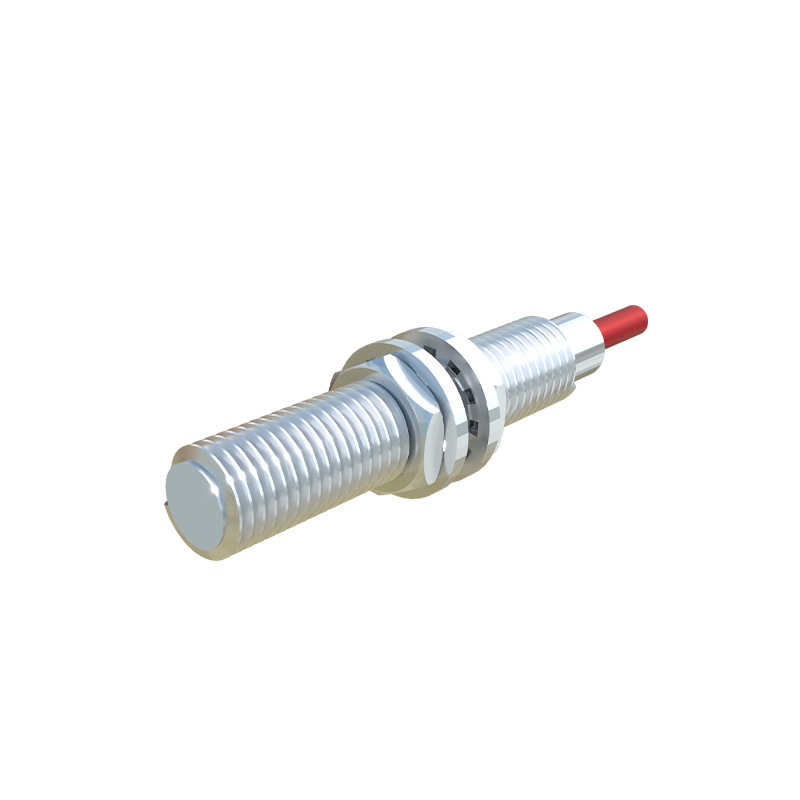
U-groove proximity sensors provide several benefits that make them indispensable in automation. Their compact design allows installation in tight spaces where traditional sensors cannot fit. The enclosed groove protects the sensing elements from external interference, ensuring stable operation even in dirty or vibrating environments. High switching frequencies enable detection of fast-moving objects, such as on conveyor belts or packaging lines. Additionally, these sensors offer precise positioning capabilities, with detection distances ranging from a few millimeters to several centimeters, depending on the model. They are energy-efficient and require minimal maintenance, reducing downtime and operational costs. Industries leverage these advantages for tasks like part counting, edge detection, and safety interlocking.
Common Applications and Use Cases
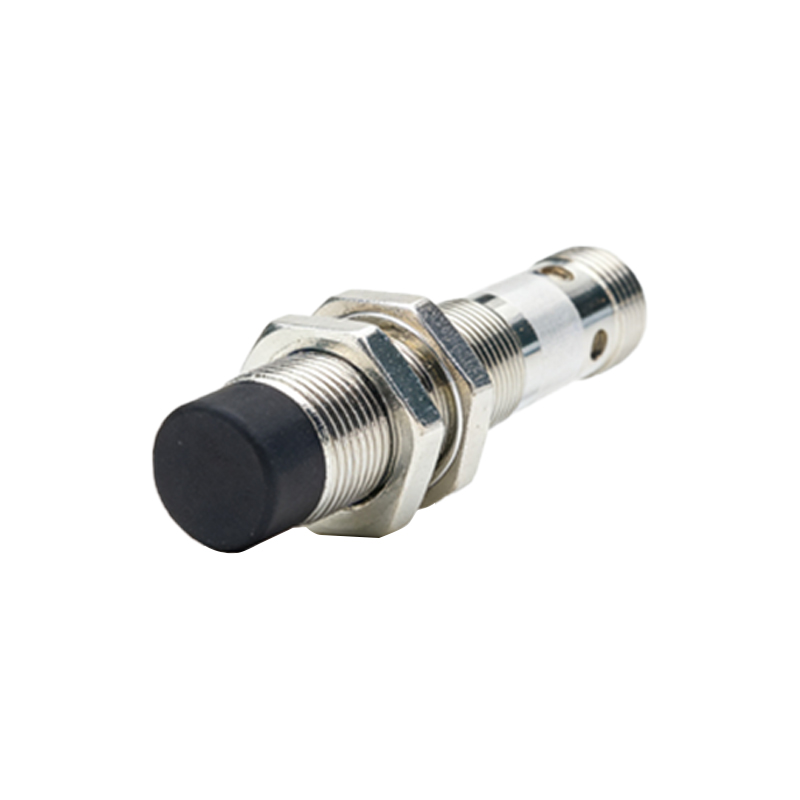
In manufacturing and automation, U-groove sensors are widely used for diverse applications. They excel in detecting small parts, such as screws or pins, on assembly lines, ensuring proper component placement. In printing and labeling machines, they monitor paper or film edges to prevent misalignment. Robotics systems employ them for end-effector positioning and object recognition. The food and beverage industry utilizes stainless-steel variants for hygienic detection of packaging materials. Automotive plants rely on these sensors for quality control, like verifying the presence of metal clips or brackets. Their versatility extends to security systems, where they detect door or gate movements, and in agriculture for equipment monitoring.
Selection Criteria and Installation Tips
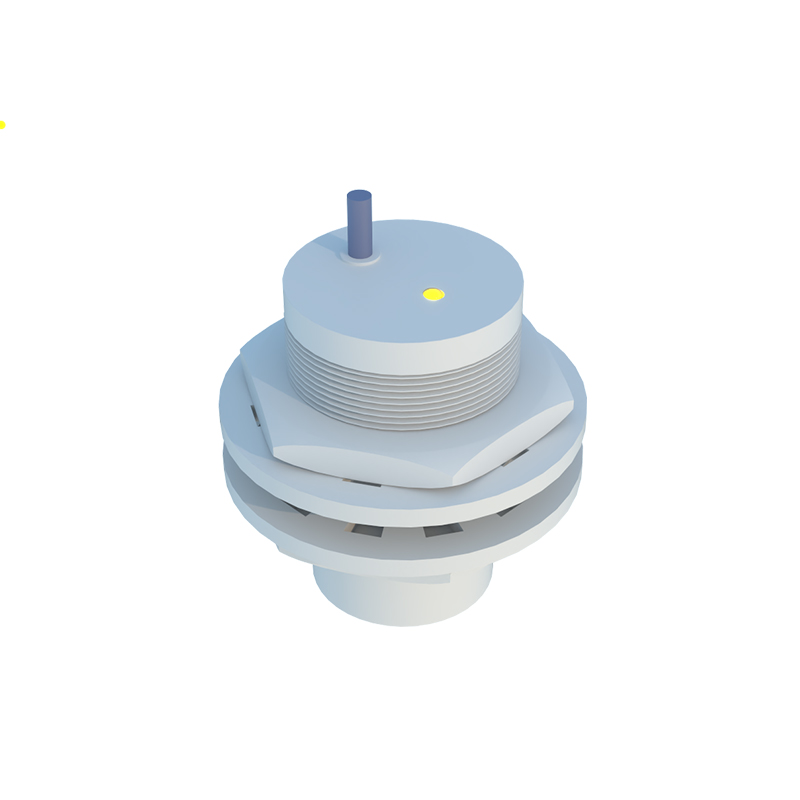
Choosing the right U-groove proximity sensor involves considering factors like sensing range, material type, and environmental conditions. For metal detection, inductive sensors are preferred, while photoelectric sensors suit non-metallic objects. Key specifications include switching frequency, response time, and protection ratings (e.g., IP67 for dust and water resistance). Installation requires aligning the groove perpendicular to the object path to maximize accuracy. Avoid mounting near strong electromagnetic fields or reflective surfaces that could cause interference. Regular calibration and cleaning of the groove are recommended to maintain performance. Consult manufacturer datasheets for voltage requirements and output compatibility with existing systems.
Future Trends and Innovations
The evolution of U-groove proximity sensors is driven by Industry 4.0 and smart manufacturing trends. Emerging technologies integrate IoT connectivity, enabling real-time monitoring and predictive maintenance via wireless networks. Miniaturization efforts are producing smaller sensors with enhanced sensitivity for micro-detection tasks. Energy-harvesting designs are being developed to support battery-free operation in remote applications. Advances in materials science are improving durability against extreme temperatures and chemicals. Additionally, AI-enhanced sensors with self-learning capabilities can adapt to varying object shapes and speeds, boosting efficiency. These innovations promise to expand their role in automated logistics, renewable energy, and precision agriculture.