Understanding Low Temperature Proximity Sensors
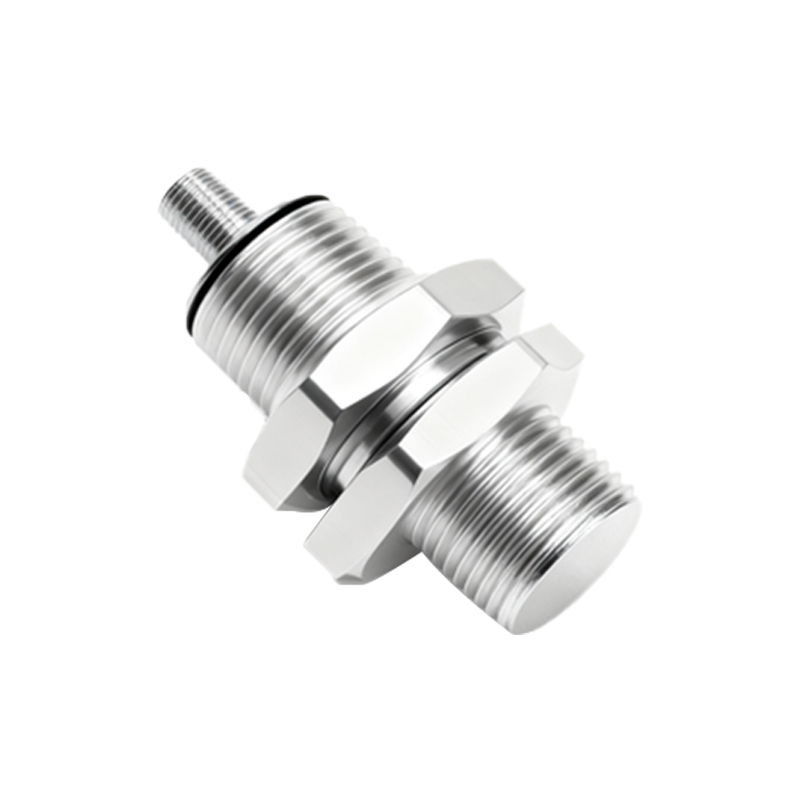
Low temperature proximity sensors are specialized devices engineered to detect the presence or absence of objects in extremely cold environments, typically ranging from -40°C down to -196°C or lower. Unlike standard sensors, these components are constructed with materials and electronic designs that prevent failure due to thermal contraction, condensation, ice formation, or lubricant solidification. Common technologies adapted for low-temperature duty include inductive, capacitive, and magnetic sensors, each selected based on the target material and specific environmental challenges. The core principle remains non-contact detection, but with enhanced resilience to ensure stable output signals and long-term reliability when exposed to cryogenic conditions, such as those found in freezer warehouses, outdoor polar regions, liquefied gas handling, and aerospace applications.
Critical Selection Criteria for Cryogenic Applications
Selecting the appropriate low temperature proximity sensor requires careful evaluation of several technical parameters beyond just the sensing range. First, the operational temperature range must be explicitly certified by the manufacturer, ensuring the sensor can withstand the minimum temperatures encountered without drift or damage. Housing material is paramount; stainless steel (such as 316L) or specialized alloys resistant to brittle fracture are preferred. Seal integrity, often achieved through advanced epoxy potting or hermetic seals, is vital to prevent internal condensation and ingress of moisture, which can freeze and cause housing rupture. Additionally, the temperature coefficient of the sensing element and electronics must be compensated for to maintain accuracy. Connectors and cables must also be rated for flexibility and insulation at low temperatures to avoid cracking.
Recommended Inductive Proximity Sensors for Metallic Targets
For detecting metallic objects in cold settings, rugged inductive proximity sensors are a top recommendation. Models like the IFM IW Series or Turck Q30 Series offer temperature ratings down to -40°C, with some variants reaching -60°C. These sensors feature all-welded stainless steel housings, PTFE-insulated cables, and temperature-stable oscillator circuits. They are ideal for automated machinery in cold storage facilities, such as monitoring pallet positions on conveyor systems. For more extreme cryogenics, specialized sensors with hermetically sealed heads and vacuum-purged internal chambers, such as Pepperl+Fuchs V18-4 Series, can operate reliably in environments approaching -196°C, commonly used around liquid nitrogen lines in chemical processing plants.
Capacitive and Magnetic Sensor Solutions for Non-Metallic Materials
When the application involves non-metallic targets—like plastic containers, glass vials, or liquid levels in cold environments—capacitive proximity sensors are recommended. Products like Balluff BCS Series with frost-resistant face materials and extended temperature ranges down to -50°C provide consistent detection of materials with low dielectric constants, even through thin walls of insulated containers. For applications requiring position sensing on cylinders or valves in cold weather, magnetic proximity sensors (reed or Hall-effect types) such as SICK MMF Series are suitable. These are often housed in stainless steel with low-temperature-stable magnets and seals, functioning reliably in mobile equipment operating in Arctic conditions.
Installation and Maintenance Best Practices
Proper installation is crucial to maximize sensor lifespan in low-temperature conditions. Sensors should be mounted to minimize exposure to direct moisture accumulation and thermal shock. Using mounting brackets that allow for some thermal contraction/expansion without stressing the sensor body is advised. During maintenance, avoid rapid temperature changes; allow sensors to acclimatize gradually when removed for service. Regularly check cable jackets for brittleness and connector seals for integrity. It is also recommended to verify sensor performance periodically with a test target, as some sensors may experience slight changes in switching distance at extreme temperatures, though high-quality models compensate for this electronically.
Industry Applications and Case Examples
These sensors are indispensable across multiple industries. In food and beverage, they ensure packaging line automation in blast freezers at -40°C. In the energy sector, they monitor valve positions in LNG (liquefied natural gas) facilities, where temperatures can plummet below -160°C. Pharmaceutical and biotech labs use them for robotic handling of samples stored in ultra-low temperature freezers. A notable case is in Antarctic research stations, where proximity sensors on automated weather stations and vehicle systems must endure temperatures below -70°C, relying on specially engineered models with military-grade specifications for survival and accuracy.
Future Trends and Technological Advancements
The future of low temperature proximity sensors points toward increased integration and intelligence. Emerging designs incorporate IoT connectivity for predictive maintenance, monitoring not just object presence but also the sensor's own health parameters like internal humidity or seal integrity.