Introduction to Magnetic Proximity Sensors
Magnetic proximity sensors are pivotal components in modern industrial automation, renowned for their non-contact detection capabilities. These sensors operate by detecting changes in a magnetic field, typically triggered by the presence of a permanent magnet or a ferromagnetic target. Unlike traditional mechanical switches, they offer enhanced durability, high reliability, and exceptional performance in harsh environments characterized by dust, moisture, or extreme temperatures. Widely utilized across sectors such as automotive manufacturing, packaging machinery, material handling, and robotics, magnetic proximity sensors facilitate precise position sensing, speed monitoring, and limit switching. Their fundamental principle involves a reed switch or a solid-state Hall-effect element that responds to magnetic flux variations, generating an electrical signal to indicate object proximity. This technology ensures minimal wear and tear, leading to reduced maintenance costs and prolonged operational lifespans for equipment.
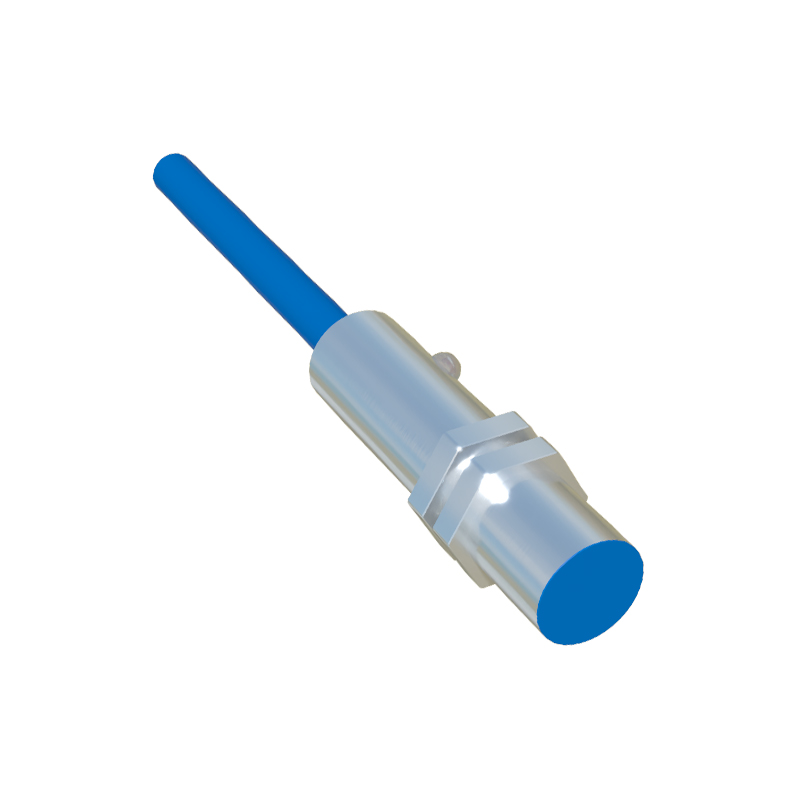
Key Factors Influencing Market Pricing
The pricing of magnetic proximity sensors is shaped by a complex interplay of technical specifications, manufacturing costs, and market dynamics. Core determinants include sensing range, output type (e.g., NPN, PNP, analog, or IO-Link), housing material (such as stainless steel or nickel-plated brass), and protection ratings like IP67 or IP69K. Advanced features, such as extended temperature tolerance (-40°C to 100°C), high switching frequency, and integrated diagnostics, typically command premium prices. Additionally, economies of scale significantly impact costs; large-volume OEM purchases often benefit from substantial discounts compared to retail or small-batch orders. Supply chain factors, including raw material availability (e.g., rare-earth magnets, semiconductor chips) and geopolitical trade policies, can cause price volatility. Brand reputation and certification standards (e.g., UL, CE, ATEX) also contribute to price differentiation, with established manufacturers like Siemens, Pepperl+Fuchs, and Balluff often pricing higher due to proven reliability and comprehensive support services.
Current Market Price Range Overview
As of recent market analyses, magnetic proximity sensors exhibit a broad price spectrum, generally ranging from $15 to $200 per unit. Basic, standardized models with short sensing distances (up to 10mm) and simple digital outputs are available at the lower end ($15-$50), suitable for light industrial applications. Mid-range sensors ($50-$120) offer enhanced features like longer sensing ranges (up to 40mm), robust housing for heavy-duty use, and compatibility with various voltage levels. High-end models ($120-$200+) incorporate sophisticated technologies such as analog output for precise distance measurement, advanced connectivity (IO-Link for Industry 4.0 integration), and explosion-proof certifications for hazardous areas. Regional variations exist; for instance, prices in North America and Europe tend to be higher due to stringent regulatory compliance and labor costs, whereas Asian markets may offer more competitive pricing from local manufacturers. Bulk procurement through distributors or direct contracts can reduce per-unit costs by 10-30%, depending on order volume and negotiation terms.
Cost-Benefit Analysis for Industrial Users
Investing in magnetic proximity sensors entails evaluating long-term operational benefits against initial acquisition costs. While premium sensors may appear costly upfront, their superior durability and accuracy often lead to significant savings by minimizing downtime, reducing false triggers, and lowering replacement frequency. For example, in automated assembly lines, high-reliability sensors prevent costly production halts caused by sensor failures, enhancing overall equipment effectiveness (OEE). Energy efficiency is another consideration; modern low-power designs contribute to reduced electricity consumption in large-scale installations. Furthermore, sensors with smart capabilities enable predictive maintenance, allowing issues to be addressed before they escalate into major repairs. When selecting sensors, engineers must assess total cost of ownership (TCO), factoring in installation expenses, compatibility with existing control systems (e.g., PLCs), and potential integration challenges. A thorough cost-benefit analysis typically justifies selecting mid-to-high-tier sensors for critical applications, whereas economical models suffice for non-essential functions.
Future Trends and Pricing Predictions
The magnetic proximity sensor market is poised for evolution, driven by technological advancements and increasing Industry 4.0 adoption. Emerging trends, such as miniaturization, enhanced wireless connectivity, and AI-driven predictive analytics, are expected to influence future pricing structures. While innovation may initially raise costs for cutting-edge products, competitive pressures and manufacturing optimizations will likely stabilize or gradually lower prices for standard models. The growing demand from emerging economies and renewable energy sectors could expand market volume, fostering economies of scale. However, potential supply chain disruptions or fluctuations in rare-earth material costs might introduce upward price pressures. Industry analysts project a moderate annual price decrease of 2-4% for conventional sensors over the next five years, whereas smart sensor prices may remain steady