Introduction to Photoelectric Sensing Technology
Photoelectric sensors are indispensable components in modern industrial automation, particularly for material detection and positioning. These devices operate on the principle of converting light signals into electrical signals. A typical photoelectric sensor consists of a light source, usually an LED or laser diode, and a photodetector, such as a phototransistor or photodiode. When the emitted light beam is interrupted, reflected, or refracted by an object—like a sheet of paper—the change in light intensity at the receiver is translated into a digital or analog output signal. This fundamental principle enables non-contact, high-speed, and highly reliable detection, making it ideal for applications involving delicate or fast-moving materials such as paper, film, and labels.
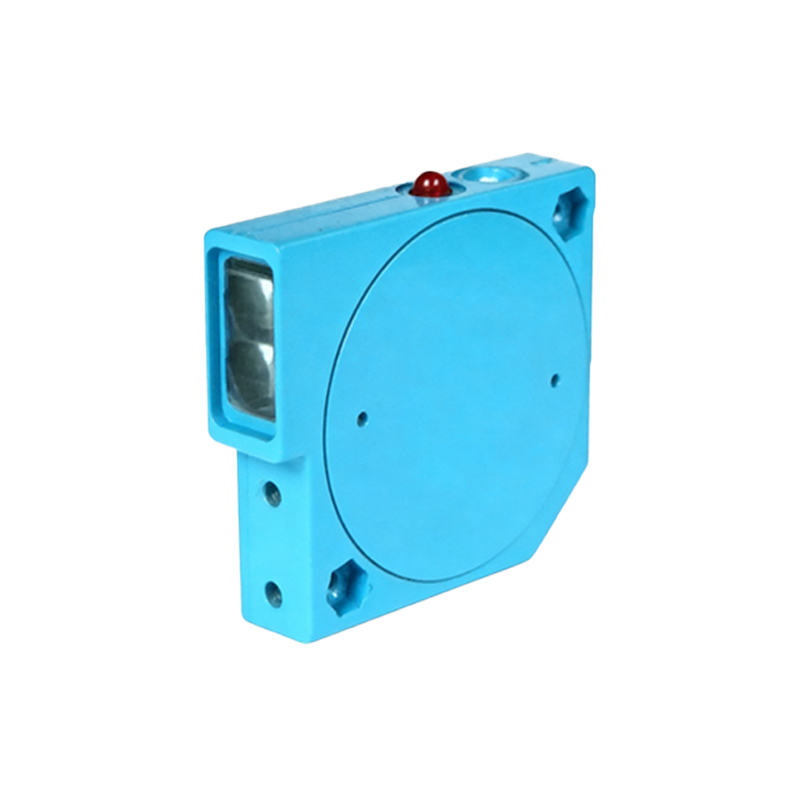
Key Operating Modes for Paper Detection
For paper detection, three primary operating modes are commonly employed, each suited to specific environmental and application requirements. The through-beam mode, also known as the opposed mode, uses separate, aligned emitter and receiver units. The paper breaks the beam, causing a detection event. This mode offers the longest sensing range and highest reliability, ideal for detecting opaque paper stacks or high-speed web breaks. The retro-reflective mode utilizes a single housing containing both emitter and receiver, along with a reflector. Detection occurs when the paper interrupts the beam's path to the reflector. It's effective for medium-range applications. Finally, the diffuse reflective mode relies on the paper itself to reflect light back to the receiver within the same housing. This mode is compact and excellent for detecting the presence, absence, or thickness variation of paper at close range, though it can be influenced by the paper's color and surface reflectivity.
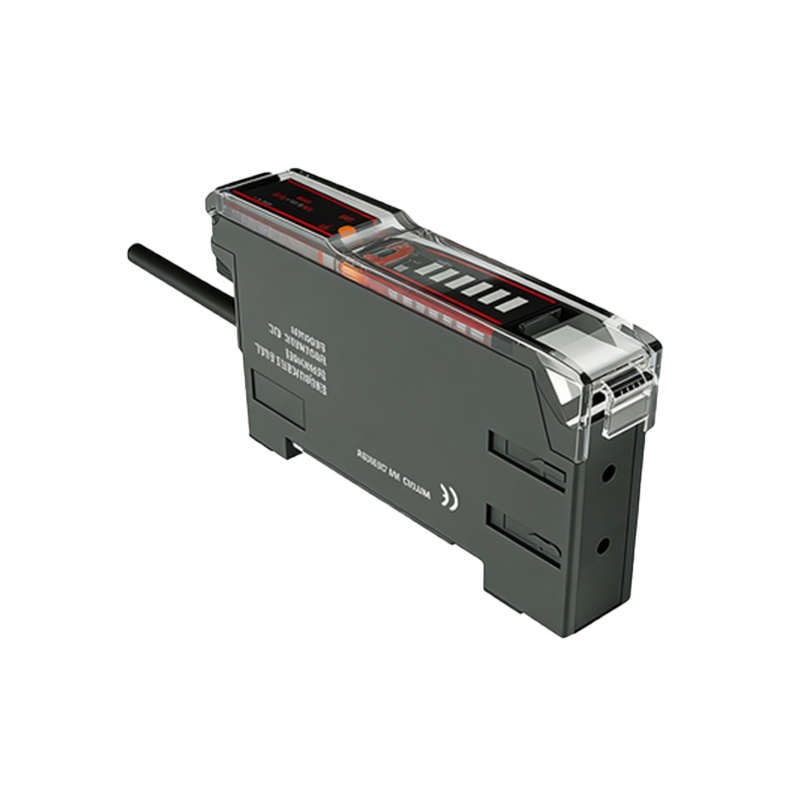
Sensor Selection Criteria: Paper Type and Environment
Selecting the correct photoelectric sensor for a paper detection task requires careful consideration of several factors. The optical characteristics of the paper are paramount. Highly reflective, glossy paper may require a sensor with background suppression or fixed-field technology to ignore the bright surface and detect only the leading edge. Conversely, dark, matte, or porous paper absorbs more light, necessitating a sensor with higher output power or a more sensitive receiver. Environmental conditions like dust, paper lint, and ambient light must also be accounted for. Sensors with modulated infrared light and synchronous detection circuits are crucial to reject ambient light interference. For dusty environments, models with high IP ratings and self-monitoring functions that alert to lens contamination are essential to maintain operational integrity.
Advanced Features and Signal Processing
Modern photoelectric sensors incorporate advanced features that enhance their performance in complex paper handling systems. Many sensors now offer teach-in functionality, allowing quick and easy adjustment of sensitivity thresholds on-site. Analog output sensors can provide continuous feedback on parameters like paper thickness or roll diameter, enabling predictive maintenance. High-speed response models, with switching frequencies in the kilohertz range, are critical for detecting individual sheets in high-speed printers or cutters. Furthermore, the integration of IO-Link communication enables digital parameter setting, real-time diagnostics, and seamless integration into Industry 4.0 networks, allowing for remote monitoring and data logging of paper feed status and sensor health.
Typical Industrial Applications
The applications for photoelectric paper sensors span the entire manufacturing and conversion process. In printing machinery, they are used for precise sheet registration, jam detection, and monitoring paper supply in feeders. In packaging lines, they ensure correct label placement, detect missing leaflets in cartons, and verify the presence of folded boxes. For paper converting equipment, such as slitters, rewinders, and sheeters, sensors monitor web guidance, detect splices, and control the cut-off length. In automated document handling systems, like mail sorters or office copiers, they count pages, detect multi-feeds, and ensure proper routing. Their reliability directly impacts productivity, material waste reduction, and overall equipment effectiveness.
Installation and Maintenance Best Practices
Proper installation is critical for optimal sensor performance. The sensor must be securely mounted to prevent vibration-induced misalignment. For through-beam sensors, precise alignment of the emitter and receiver is necessary, often facilitated by alignment indicators. The sensing path should be kept clear of obstructions and potential reflective surfaces that could cause false triggers. Regular maintenance involves keeping the lenses clean from paper dust and debris using appropriate cleaning methods. Periodically verifying the sensor's alignment and output signal under normal operating conditions helps prevent unexpected downtime. Implementing a preventive maintenance schedule that includes sensor checks is a best practice for continuous operation.
Future Trends and Conclusion
The future of photoelectric sensing for paper detection is moving towards greater intelligence and integration. Sensors with embedded vision capabilities or spectral analysis might differentiate paper grades or detect specific watermarks. The miniaturization of components allows for smaller sensor designs to fit into increasingly compact machinery. Enhanced connectivity through industrial Ethernet protocols will further solidify their role in smart factory ecosystems. In conclusion, photoelectric sensors provide a versatile, accurate, and robust solution for paper detection across countless industries. A thorough understanding of their operating principles, careful selection based on application needs, and adherence to installation best practices are key to leveraging their full potential for improving automation efficiency and reliability.