Understanding the Challenge of Acidic Environments
Industrial settings such as chemical processing plants, metal plating facilities, wastewater treatment, and mining operations often present a significant challenge for electronic components: exposure to acidic conditions. These environments contain corrosive agents like sulfuric acid, hydrochloric acid, nitric acid, and various acidic vapors or mists. For photoelectric sensors, which are critical for object detection, positioning, and process control, this exposure can lead to rapid degradation of housings, lens clouding, and internal circuit corrosion, resulting in premature failure, inaccurate readings, and costly downtime. The selection and specification of a photoelectric sensor for such duties, therefore, must go beyond standard sensing parameters and rigorously address material compatibility and protective design.
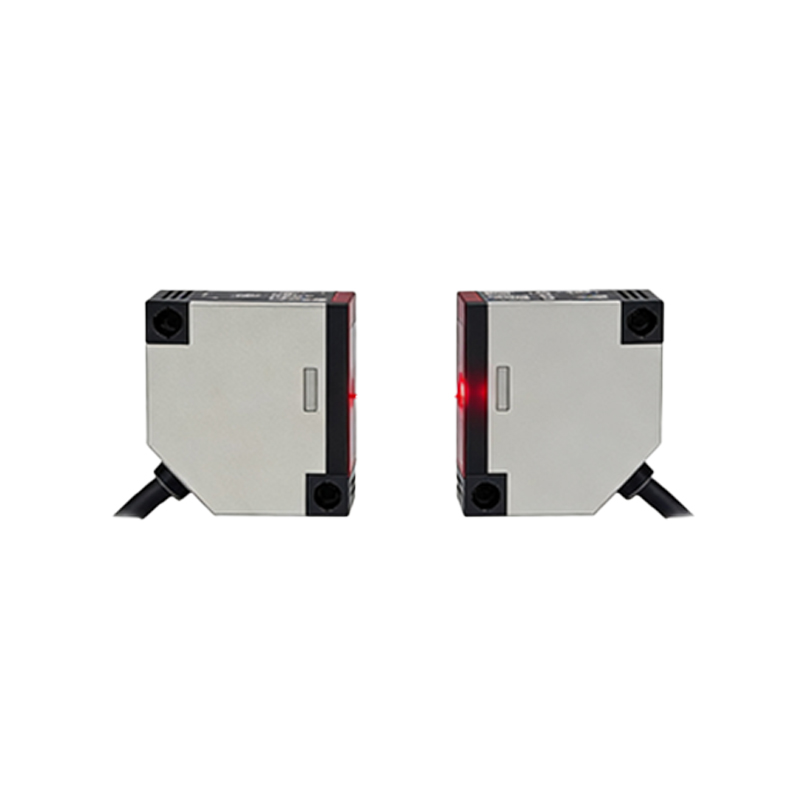
Critical Material Selection for Sensor Components
The frontline defense against acidic corrosion lies in the materials used for the sensor's external housing and optical window. Standard plastics like polycarbonate (PC) or ABS are unsuitable. Instead, high-performance polymers are employed. Polyphenylene sulfide (PPS) and polyvinylidene fluoride (PVDF) are premier choices for sensor housings due to their exceptional chemical resistance across a wide pH spectrum, including strong acids and bases. For the optical lens, which must remain transparent, standard glass or acrylic is vulnerable. Chemically resistant glass, often borosilicate-based, or crystalline materials like sapphire are used. Sapphire offers outstanding clarity and is nearly impervious to chemical attack, making it ideal for the most aggressive environments, though at a higher cost. The sealing between the lens and housing is equally critical, requiring high-grade fluorinated elastomers (e.g., FKM/Viton) to prevent acidic ingress.
Protective Enclosures and Housing Designs
Even with chemically resistant materials, additional mechanical protection is often necessary. Many acidic environment photoelectric sensors are built into housings rated by international protection codes. An IP67 rating signifies protection against dust ingress and temporary immersion in water, which is often sufficient for splashes. For environments with high-pressure washdowns or direct exposure to acidic jets, an IP69K rating is required. Beyond the IP code, some sensors feature a pressurized housing or a nitrogen purge connection. By maintaining a slight positive pressure of inert gas (like nitrogen) inside the sensor, the entry of corrosive external atmospheres is effectively prevented. The physical design should also minimize crevices and ledges where acidic residues could accumulate, favoring smooth, rounded surfaces.
Sensor Technology and Optical Considerations
The choice of sensing technology itself can influence robustness. While through-beam sensors offer the longest range and highest reliability in clean conditions, their separate emitter and receiver units double the number of components exposed to corrosion. Retro-reflective sensors with a dedicated reflector are a common compromise. However, for highly contaminated or corrosive areas, diffuse reflective sensors, which house both emitter and receiver in a single unit, are often preferred as they require only one device to be installed in the hazardous zone. Furthermore, the choice of light source is important. Red light LEDs are common, but in environments where acidic mist or colored fluids are present, they may cause false triggers. Laser-based sensors or sensors with modulated green or blue light can sometimes provide better penetration or contrast in such challenging visual conditions.
Application-Specific Installation and Maintenance
Proper installation is paramount to extending sensor life in acidic settings. Sensors should be mounted in locations that minimize direct exposure to spray or pooling liquids, using drip loops for cables and orienting connectors downward. Regular, scheduled maintenance is non-negotiable. This involves carefully cleaning the lens with appropriate, non-abrasive cleaners compatible with the lens material to prevent buildup that could attenuate the light signal. Inspection of the housing for cracks, seal integrity, and any signs of etching or discoloration is essential. Implementing a predictive maintenance schedule, where sensor performance is logged and trended, can help identify units that are beginning to degrade before a catastrophic failure occurs, allowing for planned replacement during scheduled shutdowns.
Industry Standards and Certification
Compliance with industry standards provides a benchmark for reliability. Look for sensors that meet relevant standards for corrosion resistance, such as those defined by ISA (International Society of Automation) or specific chemical resistance tests (e.g., DIN EN ISO 2812 for paint and varnish). Certifications like UL Listing or ATEX/IECEx for use in potentially explosive atmospheres (which often coincide with corrosive areas) are also critical indicators of a robust design. Manufacturers typically provide detailed chemical compatibility charts specifying the sensor's resistance to specific acids at given concentrations and temperatures. Engineers must cross-reference these charts with their exact process conditions to make an informed selection, never assuming general resistance.