Understanding Proximity Sensor Types and Pricing Factors
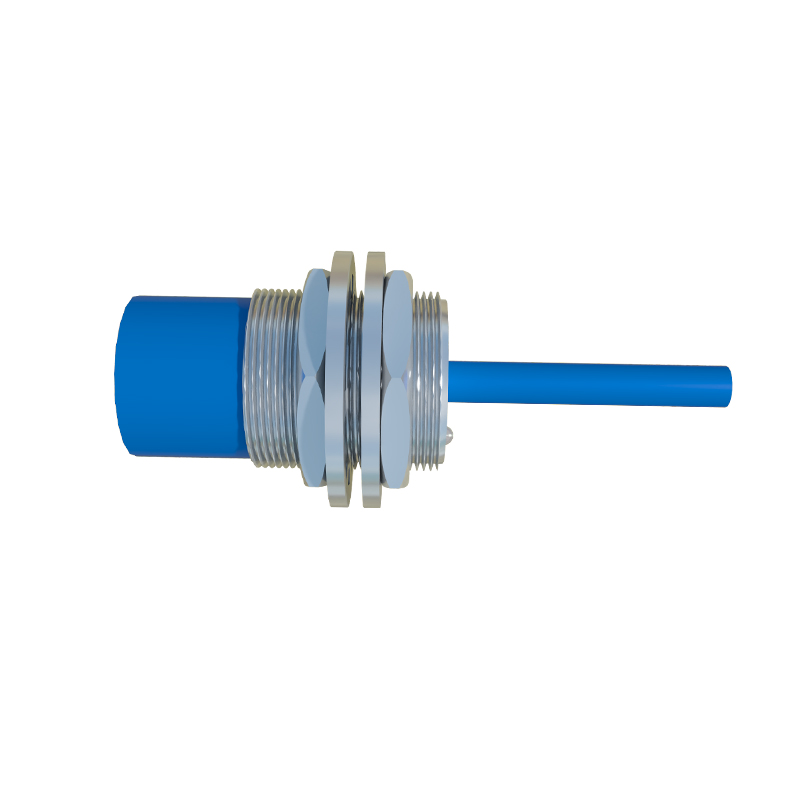
Proximity sensors are essential components in automation and industrial control systems, detecting the presence or absence of objects without physical contact. The price of these sensors varies significantly based on technology, performance, and features. Inductive sensors, used for detecting metallic objects, are generally the most cost-effective, with basic models starting around $20 to $50 USD. Capacitive sensors, capable of detecting both metallic and non-metallic materials, typically range from $30 to $80. Ultrasonic sensors, offering longer detection ranges, can cost between $50 and $200, while high-precision laser sensors may exceed $300. Key factors influencing price include sensing range, output type (e.g., NPN/PNP, analog, IO-Link), housing material (e.g., stainless steel for harsh environments), and additional functionalities like temperature resistance or embedded diagnostics.
Detailed Price Breakdown by Sensor Technology
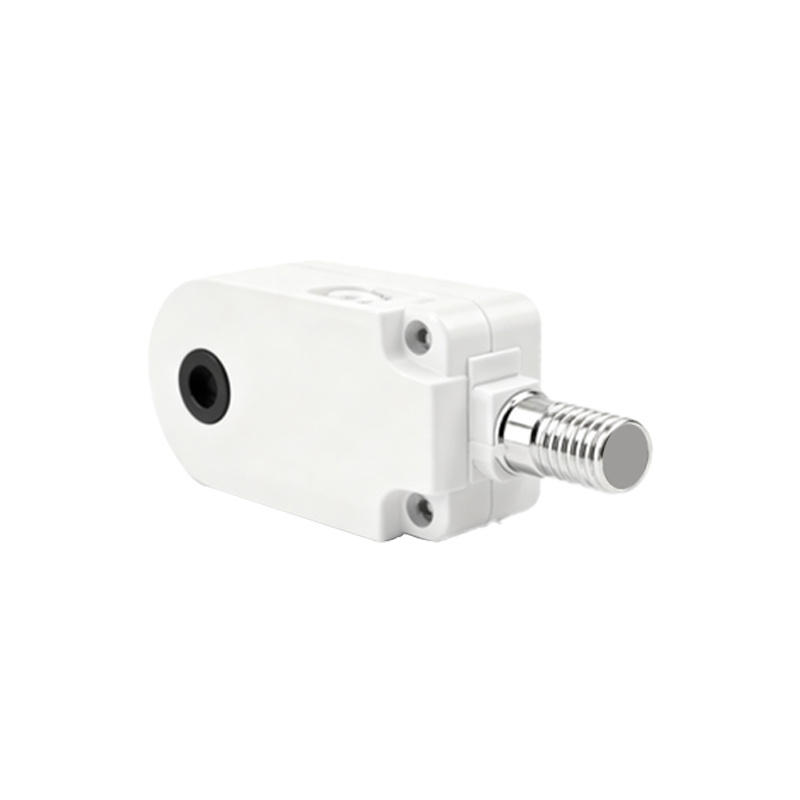
A standard inductive proximity sensor with a 5mm sensing range and simple digital output might be priced at $25 to $40 per unit. For example, cylindrical M12 or M18 models from brands like Omron, Sick, or Pepperl+Fuchs often fall within this bracket. Capacitive sensors, such as those used for liquid level detection, usually cost $40 to $70. Ultrasonic sensors, ideal for distance measurement in logistics, range from $80 to $150 for mid-performance units. High-end laser sensors, employed in precision positioning, can reach $200 to $500. It's important to note that bulk purchases (e.g., orders of 100+ units) often reduce per-unit costs by 10% to 20%. Specialty sensors with explosion-proof ratings or extreme temperature tolerances may command premiums of 30% to 50% above standard models.
Cost Comparison of Leading Brands and Models
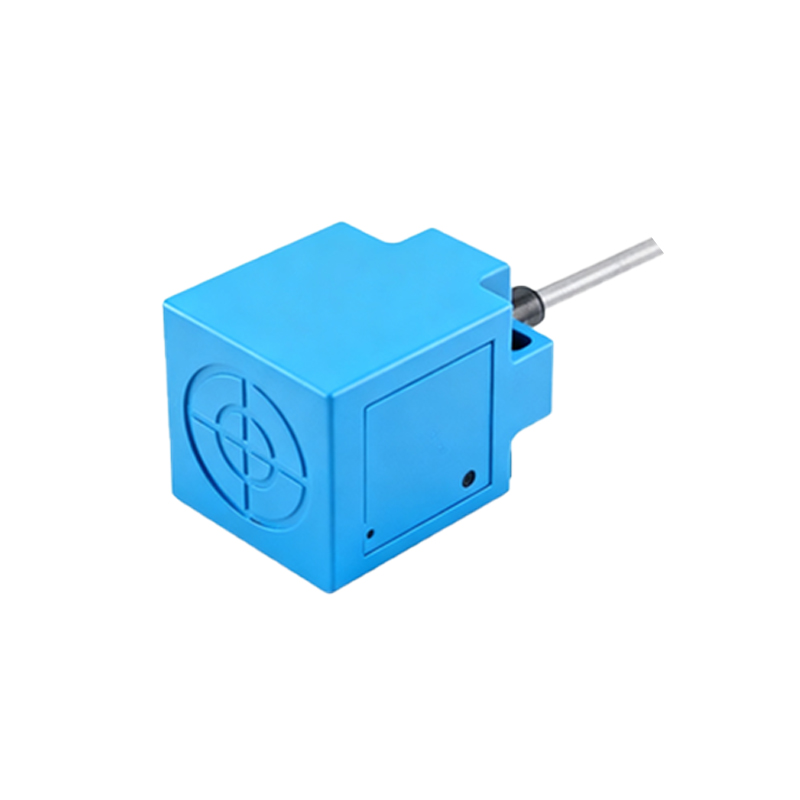
Brand reputation significantly impacts pricing. Established manufacturers like Siemens, Schneider Electric, and Rockwell Automation tend to price their proximity sensors 15% to 25% higher than generic alternatives, reflecting reliability and support. For instance, a Siemens inductive sensor might cost $45, while a comparable generic brand could be $35. However, mid-range brands like Autonics or Panasonic offer balanced options at $30 to $60, often including features like adjustable sensing ranges. When evaluating costs, consider total ownership expenses, including installation, maintenance, and compatibility with existing PLC systems. Some suppliers provide bundled pricing for sensor kits, which include mounting accessories, reducing overall project expenses.
Influences of Market Trends on Sensor Pricing
Global supply chain dynamics and material costs directly affect proximity sensor prices. Recent trends show a slight increase due to rising electronic component costs, but advancements in manufacturing have also driven down prices for basic models. The integration of smart features, such as IO-Link communication for Industry 4.0 applications, adds $10 to $30 to the base price but enhances data collection capabilities. Additionally, demand from sectors like automotive manufacturing and packaging machinery keeps prices competitive. Buyers should monitor market reports for fluctuations in raw materials like copper and plastics, as these can lead to periodic price adjustments of 5% to 10%.
Tips for Optimizing Your Sensor Procurement Budget
To manage costs effectively, first assess application requirements—avoid over-specifying sensors with unnecessary features. Request quotes from multiple distributors and consider lead times, as expedited shipping can increase expenses. Many suppliers offer online configurators for custom sensors, allowing price comparisons based on parameters. Leasing or subscription models for high-end sensors are emerging options for short-term projects. Additionally, investing in sensors with longer lifespans or warranty coverage (e.g., 3-5 years) can reduce long-term replacement costs. Always factor in installation and calibration services, which may account for 10% to 15% of the total budget.