Introduction to Narcissistic Photoelectric Sensors
Narcissistic photoelectric sensors, often referred to as retro-reflective sensors, are a specialized category within the broader family of photoelectric sensing devices. These sensors operate on a unique principle where the emitter and receiver are housed within the same unit. They project a light beam towards a specifically designed reflector, which then bounces the beam directly back to the receiver. This configuration is termed "narcissistic" because the sensor essentially communicates with its own reflected signal. The primary advantage of this design is the simplification of installation and alignment compared to through-beam sensors, which require separate emitter and receiver units. They offer a reliable solution for detecting objects at medium to long ranges, typically up to several meters, depending on the model and environmental conditions. Their self-contained nature makes them a popular choice in various industrial settings where space or wiring constraints exist.
Core Operating Principle and Components
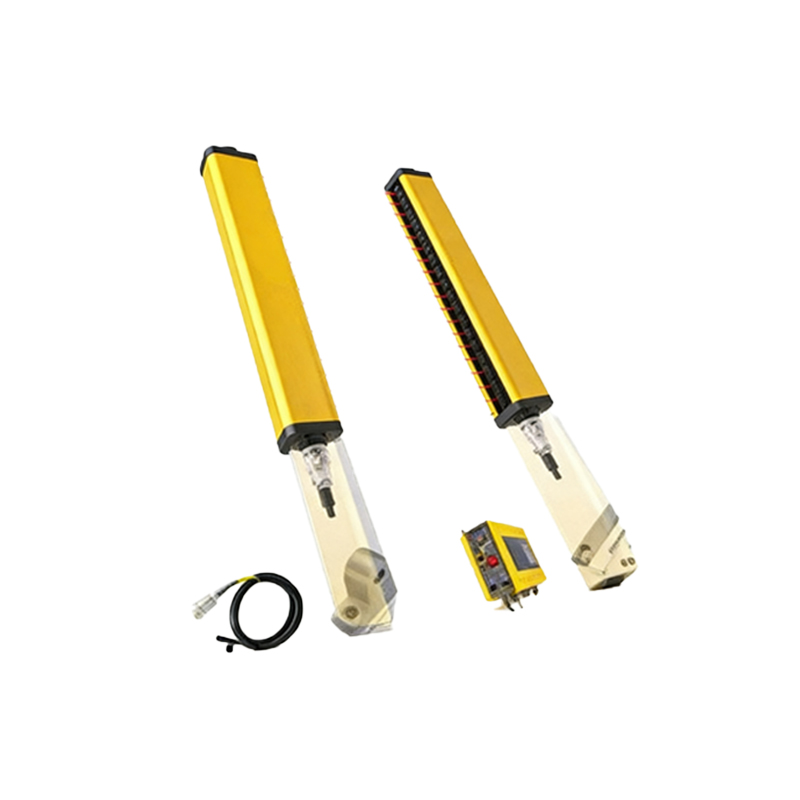
The fundamental operation hinges on the modulation of light. The sensor's emitter sends out a modulated light beam, usually infrared or visible red, pulsed at a specific frequency. A corner-cube retroreflector, placed opposite the sensor, is designed to reflect this beam directly back to its source regardless of the reflector's orientation. The integrated receiver is tuned to detect only light modulated at that same specific frequency. This modulation technique is crucial as it allows the sensor to distinguish its own signal from ambient light, significantly enhancing immunity to optical interference from factory lighting or sunlight. When an object passes between the sensor and the reflector, it interrupts the light beam. The receiver detects this absence of the modulated signal and triggers an output switch, signaling the presence of the object. Key internal components include the LED light source, phototransistor or photodiode receiver, signal processing circuitry, and the output switching element.
Key Advantages in Industrial Applications
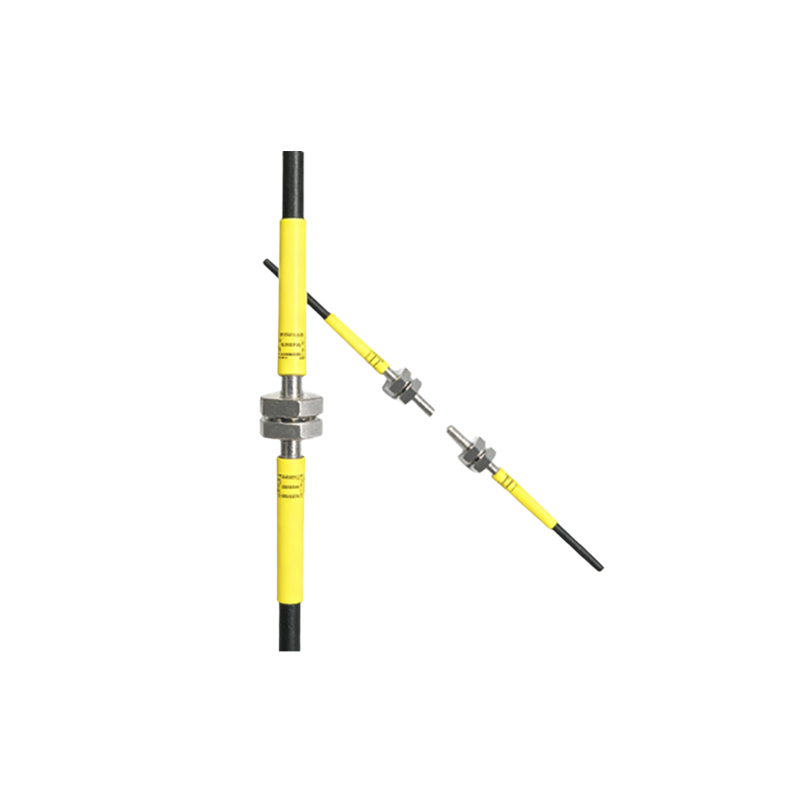
Narcissistic photoelectric sensors offer several compelling benefits that drive their adoption. First is their ease of installation and alignment. Only one device needs to be wired and mounted, and alignment involves simply pointing the sensor towards the reflector until the "beam received" indicator activates. This reduces setup time and complexity. Second, their cost-effectiveness is notable for medium-range applications; they eliminate the need for purchasing, wiring, and mounting two separate units (emitter and receiver). Third, they provide a high degree of reliability and sensing stability over longer distances than diffuse reflective sensors. They are less susceptible to the color, texture, or reflectivity of the target object since the detection depends on beam interruption rather than reflection from the object itself. This makes them ideal for detecting transparent or glossy objects that might challenge other sensor types.
Common Challenges and Mitigation Strategies
Despite their advantages, these sensors face specific operational challenges. A primary issue is false triggering caused by highly reflective objects near the sensing path. A shiny metal surface, for instance, might inadvertently reflect enough of the sensor's own light back to the receiver, mimicking the reflector's signal and causing the sensor to indicate "no object" even when one is present. To combat this, many modern narcissistic sensors employ polarization filters. The emitter sends out polarized light, and the receiver has a filter that only accepts light polarized in the orthogonal plane. The corner-cube reflector is designed to twist the polarization, allowing the return signal to pass. Specular objects, however, do not twist the polarization, so their reflections are rejected. Another challenge is contamination on the lens or reflector, which can attenuate the signal. Regular maintenance and cleaning schedules are essential. Selecting sensors with powerful beams and built-in sensitivity adjustment or contamination indicators can help preempt failures.
Selection Criteria for Optimal Performance
Choosing the right narcissistic photoelectric sensor requires careful consideration of several parameters. Sensing range is paramount; one must select a sensor with a rated operating distance greater than the actual installation distance, factoring in a safety margin. The type of output required (e.g., NPN, PNP, analog, or relay) must match the control system's input card. Environmental robustness is critical; look for an appropriate Ingress Protection (IP) rating for dust and water resistance, and a wide operating temperature range if used in non-climate-controlled areas. The response time must be fast enough to detect objects moving at high speeds on a production line. For challenging detection tasks, such as sensing transparent materials like glass or plastic films, specialized sensors with focused beams or background suppression-like algorithms are available. Finally, consider the physical housing size and mounting style (e.g., barrel-shaped, rectangular) to ensure it fits the mechanical design.
Typical Applications in Automation Systems
These sensors are workhorses in diverse automation scenarios. In packaging machinery, they are extensively used for detecting the presence or absence of products on conveyors, counting items, and verifying case sealing by ensuring flaps are properly closed. In material handling, they monitor pallet positioning, control stack height, and act as safety curtains at the entrance of automated storage and retrieval systems. Within the automotive industry, they verify the presence of components on assembly lines, such as checking if a windshield has been installed before proceeding to the next station. They are also common in door control systems for elevators and automated gates, ensuring the path is clear before closing. Their ability to detect transparent objects makes them suitable for monitoring the presence of bottles or vials in pharmaceutical and beverage filling lines.
Future Trends and Technological Evolution
The evolution of narcissistic photoelectric sensors is aligned with Industry 4.0 trends. Integration of IO-Link communication is becoming increasingly standard. This digital interface allows for remote configuration, real-time monitoring of sensor health (like signal strength or lens contamination levels), and predictive maintenance, moving beyond simple switching functionality. There is a continuous push for miniaturization without compromising sensing range or robustness. Furthermore, enhanced algorithms are being developed to provide even greater immunity to complex optical interference and to improve the reliability of detecting difficult targets. The convergence of sensing and data analytics will see these traditional devices providing valuable operational data, contributing to overall equipment effectiveness (OEE) metrics and smarter, more adaptive manufacturing processes.