Introduction to Photoelectric Sensors
Photoelectric sensors are indispensable components in modern industrial automation, utilizing light beams to detect the presence, absence, or distance of objects. These devices are critical for applications ranging from packaging and material handling to automotive assembly and safety systems. The core principle involves an emitter light source, typically an LED or laser, and a receiver that detects changes in the light signal caused by an object interrupting or reflecting the beam. Key technologies include through-beam, retro-reflective, and diffuse reflective sensors, each suited for specific environmental conditions and detection ranges. As industries increasingly adopt Industry 4.0 and IoT frameworks, the demand for high-precision, reliable, and networked photoelectric sensors has surged, driving innovation among leading manufacturers. This article ranks top global manufacturers based on technological innovation, product range, market presence, and industry reputation, providing insights for engineers and procurement specialists.
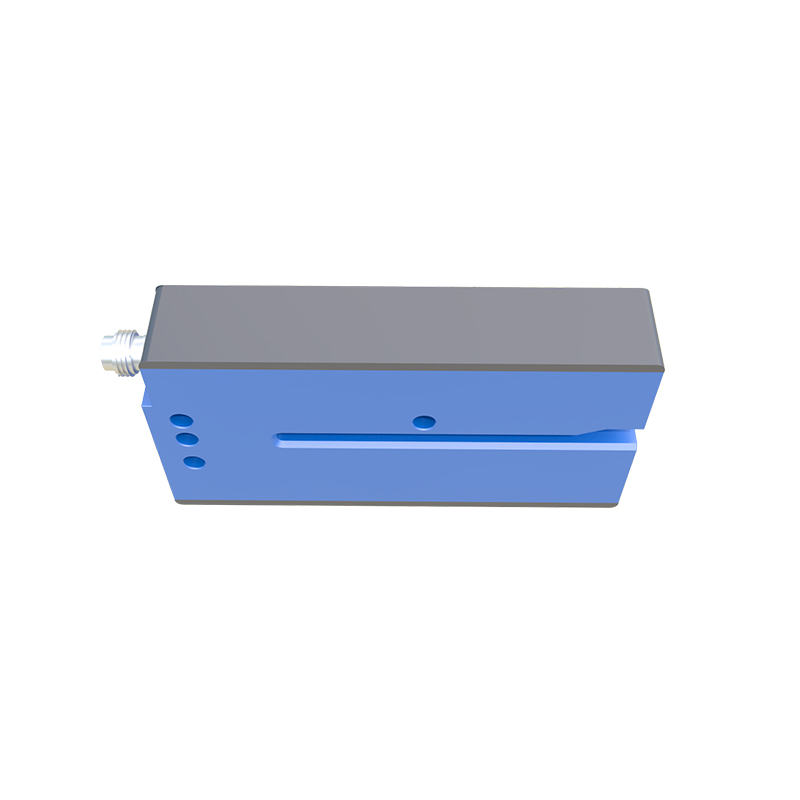
Criteria for Ranking Manufacturers
Evaluating photoelectric sensor manufacturers requires a multifaceted approach. Technological innovation is paramount, encompassing advancements in sensing distance accuracy, response time, and resistance to environmental interference like dust or ambient light. Product portfolio diversity is another critical factor; top companies offer a wide array of sensors, including miniature models for tight spaces, high-speed variants for dynamic lines, and ruggedized versions for harsh environments. Market presence and global distribution networks ensure accessibility and support, while industry reputation—built through decades of reliability and customer service—solidifies a brand's standing. Additionally, compliance with international standards (e.g., IEC, UL) and integration capabilities with PLCs and industrial networks (like IO-Link or Ethernet/IP) are considered. This ranking synthesizes these elements to highlight manufacturers that excel in driving industrial efficiency and innovation.
Top 5 Global Photoelectric Sensor Manufacturers
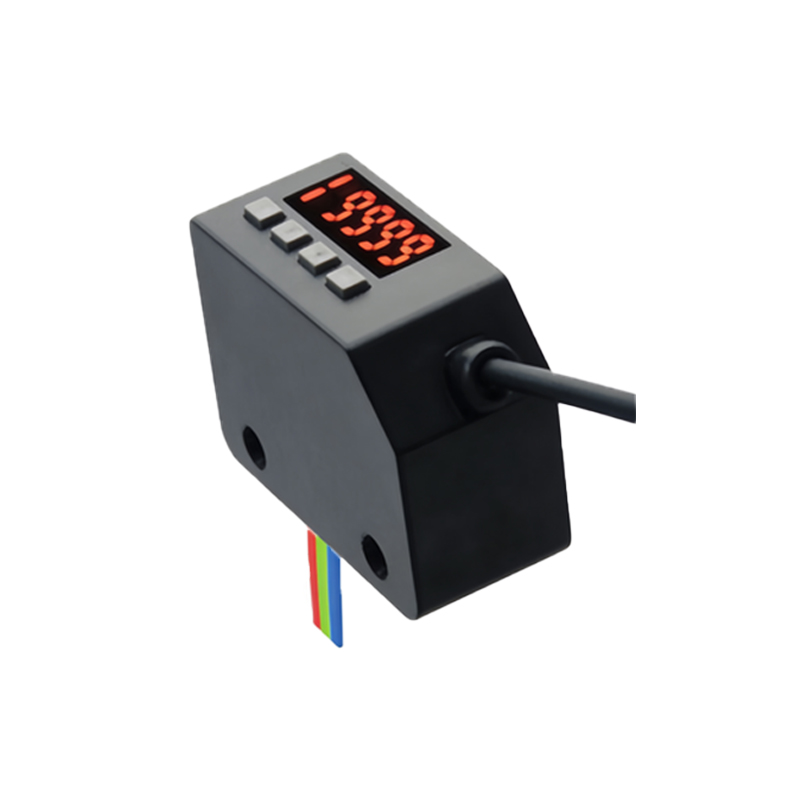
1. Sick AG: A German powerhouse, Sick is renowned for its precision and innovation in sensor technology. Their photoelectric sensor lineup features advanced models with background suppression, precise background calibration, and robust housing for extreme conditions. Sick's sensors are integral in logistics, automotive, and food processing, often incorporating smart diagnostics for predictive maintenance.
2. Omron Corporation: Based in Japan, Omron combines compact design with high performance. Their E3Z and E3S series are industry benchmarks, offering exceptional stability and easy installation. Omron excels in providing solutions for factory automation, with sensors that support connectivity and data exchange in smart manufacturing environments.
3. Keyence Corporation: Another Japanese leader, Keyence is celebrated for its cutting-edge R&D and user-friendly sensors. Products like the FU series boast ultra-long sensing distances and high-speed detection, catering to electronics and semiconductor industries. Keyence's strong technical support and customization options make it a preferred choice for complex applications.
4. Rockwell Automation (Allen-Bradley): As a major U.S. player, Rockwell integrates photoelectric sensors into its broader automation ecosystem. Their sensors, such as the 42AF RightSight series, emphasize durability and seamless communication with ControlLogix systems, ideal for heavy industries like mining and energy.
5. Balluff GmbH: A German specialist, Balluff focuses on innovative sensing solutions with a strong emphasis on IO-Link connectivity. Their photoelectric sensors offer high flexibility and are designed for Industry 4.0 applications, enabling detailed process data collection and analysis in automotive and packaging sectors.
Emerging Trends and Future Outlook
The photoelectric sensor market is evolving rapidly, influenced by digital transformation and sustainability goals. A key trend is the integration of smart sensors with IIoT platforms, allowing real-time monitoring and analytics to optimize production lines and reduce downtime. Miniaturization continues, enabling sensors to fit into increasingly compact machinery without sacrificing performance. Additionally, there is a growing emphasis on energy efficiency, with manufacturers developing low-power models that contribute to greener operations. Enhanced durability against contaminants like oil and water is also a focus, expanding sensor applicability in challenging environments. Looking ahead, advancements in laser technology and AI-driven predictive capabilities are expected to further revolutionize detection accuracy and autonomy, solidifying photoelectric sensors as pillars of next-generation industrial automation.
Selection Guidelines for Engineers
Choosing the right photoelectric sensor involves a systematic assessment of application requirements. First, define the detection task: consider object size, material, color, and required sensing distance. For instance, transparent objects may need polarized sensors, while fast-moving items require high response times. Environmental factors such as temperature extremes, humidity, or vibration tolerance must align with sensor specifications. Electrical requirements, including voltage supply and output type (PNP/NPN), should match the control system. Connectivity features like IO-Link can add value by enabling parameter setting and diagnostics remotely. Finally, evaluate total cost of ownership, factoring in installation ease, maintenance needs, and manufacturer support. Consulting technical datasheets and leveraging vendor expertise can ensure optimal selection, enhancing system reliability and productivity.