Introduction to the A52 Proximity Sensor
The A52 proximity sensor represents a significant advancement in sensing technology, integrating precise light detection capabilities to enhance performance across various applications. Designed for industrial and consumer electronics, this sensor utilizes infrared (IR) light to detect the presence or absence of objects within a defined range. Its compact design and high sensitivity make it ideal for use in automation systems, mobile devices, and safety equipment. By combining proximity sensing with ambient light analysis, the A52 offers a versatile solution that improves energy efficiency and user interaction. Engineers often select this sensor for its reliability in challenging environments, where consistent operation is critical. The core mechanism involves emitting IR light and measuring the reflection to determine distance, with built-in algorithms filtering out interference from natural light sources.
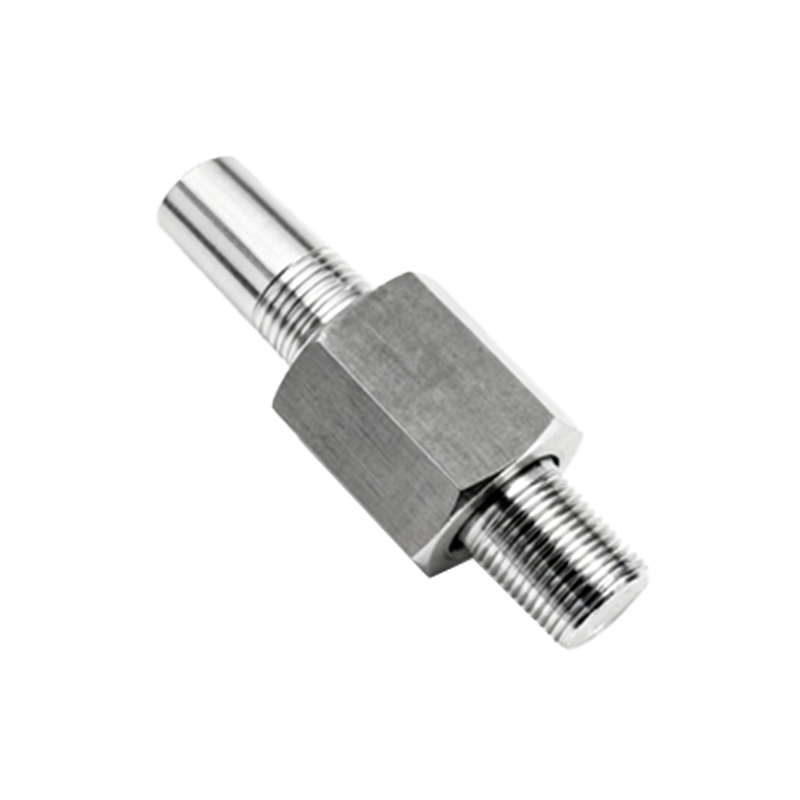
Technical Specifications and Working Principle
At its heart, the A52 proximity sensor operates on the principle of time-of-flight (ToF) measurement, where IR light pulses are emitted and the time taken for reflections to return is calculated to gauge distance. Key specifications include a detection range of up to 50 centimeters, with an accuracy of ±2 millimeters under optimal conditions. The sensor features a response time of less than 10 milliseconds, ensuring real-time feedback for dynamic applications. It incorporates a photodiode array to capture reflected light, coupled with a digital signal processor (DSP) that analyzes data to minimize false triggers. Additionally, the A52 includes an integrated ambient light sensor (ALS) that adjusts sensitivity based on surrounding illumination, preventing errors in bright or dim settings. Power consumption is optimized at 3.3V, with low standby modes to extend battery life in portable devices.
Applications in Modern Industries
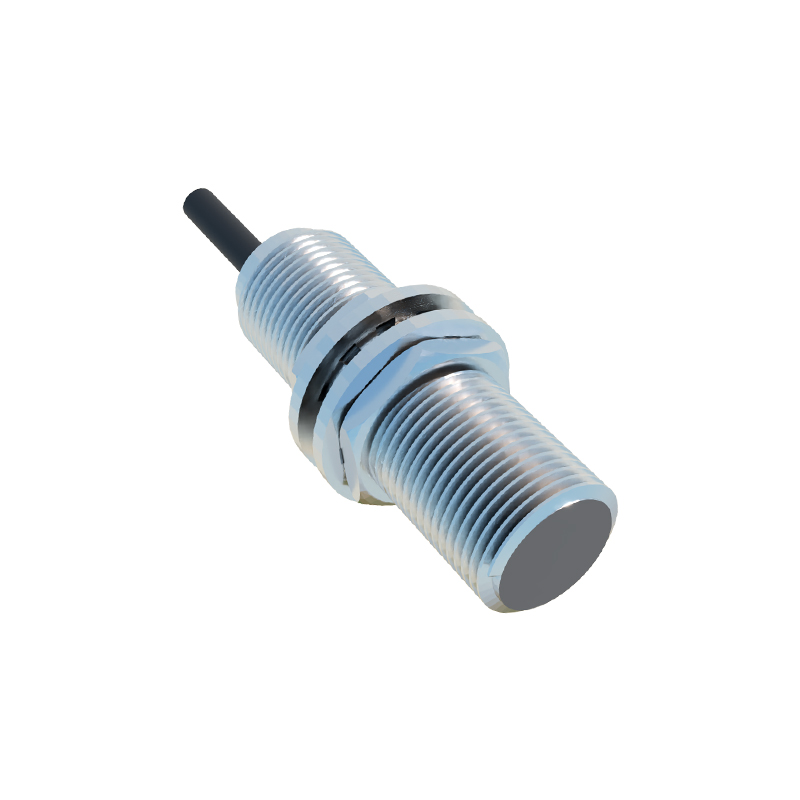
The A52 proximity sensor finds widespread use in diverse sectors due to its dual functionality. In automotive systems, it enables touchless controls for infotainment displays and enhances safety by detecting obstacles during parking. Consumer electronics, such as smartphones and tablets, employ the sensor to disable screens during calls, reducing accidental inputs and saving power. Industrial automation benefits from its role in object detection on assembly lines, where it ensures precise positioning and prevents collisions in robotic arms. Healthcare devices utilize the A52 for non-contact interfaces, maintaining hygiene in equipment like diagnostic tools. Furthermore, smart home appliances integrate this sensor for energy-saving features, such as turning off lights when no motion is detected. Its robustness against environmental factors like dust and moisture makes it suitable for outdoor installations as well.
Advantages Over Traditional Sensors
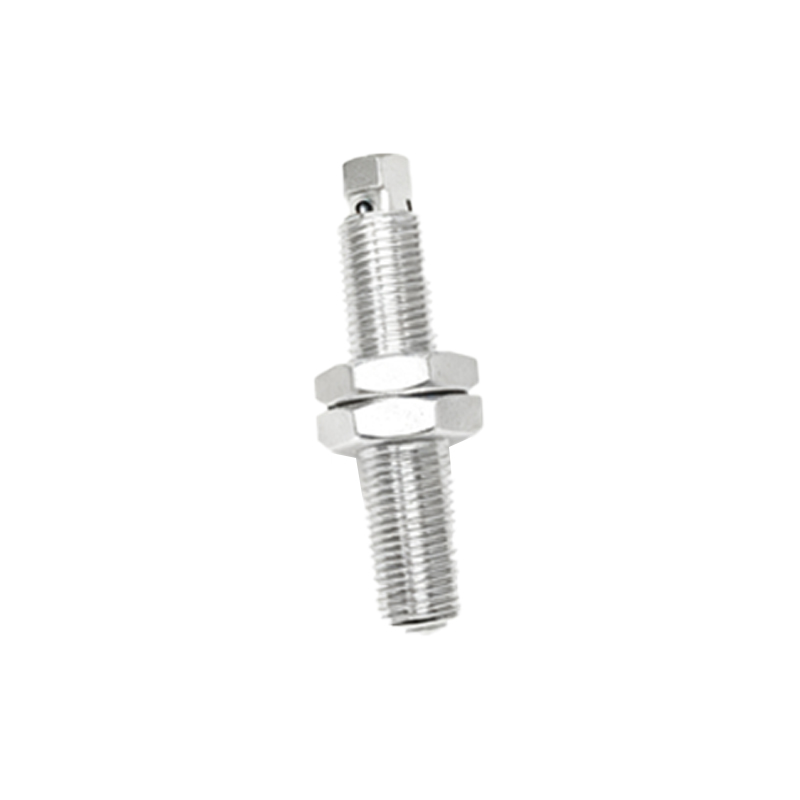
Compared to conventional proximity sensors, the A52 offers several key advantages that drive its adoption. The integration of light sensing allows for adaptive performance, automatically calibrating based on ambient conditions to maintain accuracy. This reduces the need for manual adjustments and lowers maintenance costs. Its small form factor enables seamless integration into compact designs without sacrificing functionality. The sensor's high signal-to-noise ratio ensures reliable operation even in electrically noisy environments, minimizing false readings. Additionally, the A52 supports I2C and SPI communication protocols, facilitating easy connectivity with microcontrollers and embedded systems. Durability is enhanced through a rugged housing that protects internal components from physical shocks and temperature fluctuations, extending the product lifespan in harsh industrial settings.
Installation and Calibration Guidelines
Proper installation and calibration are crucial for maximizing the A52 sensor's performance. Begin by mounting the sensor on a stable surface, ensuring the IR emitter and receiver are unobstructed and aligned with the target area. Avoid placing it near reflective materials that could cause interference, and maintain a clean lens to prevent signal attenuation. For calibration, use the manufacturer's software tools to set threshold values based on the application's required detection range. Test the sensor under typical operating conditions, adjusting sensitivity levels to balance responsiveness and stability. Regular maintenance involves checking for debris accumulation and verifying output signals with a multimeter or oscilloscope. Implementing these steps helps achieve consistent results and prolongs sensor reliability in long-term deployments.
Future Trends and Innovations
The evolution of proximity sensors like the A52 is closely tied to advancements in IoT and AI technologies. Future iterations may incorporate machine learning algorithms to predict object movements and optimize sensing patterns dynamically. Enhanced miniaturization could lead to even smaller sensors with extended ranges, suitable for wearable devices and micro-robotics. Integration with wireless communication modules, such as Bluetooth Low Energy (BLE), will enable seamless data transmission to cloud platforms for real-time monitoring and analytics. Additionally, improvements in energy harvesting techniques might allow self-powered sensors, reducing dependency on batteries. As industries demand smarter and more efficient solutions, the A52's light-sensing capabilities are expected to play a pivotal role in next-generation automation and interactive systems.