Introduction to Proximity Sensor Pricing Factors
The market price of proximity sensors is a complex subject, influenced by a multifaceted interplay of technical specifications, manufacturing processes, and global supply chain dynamics. Unlike simple commodity items, these critical industrial components see their costs determined by far more than just raw materials. Key factors include the sensing technology employed—inductive, capacitive, ultrasonic, or photoelectric—each with distinct manufacturing complexities. Inductive sensors, for instance, are generally more cost-effective for metal detection, while specialized capacitive sensors for liquid level or non-metallic material detection command a higher price. The required sensing range, switching frequency, housing material (e.g., stainless steel vs. plastic), and ingress protection (IP) rating directly impact the bill of materials and final price point. Furthermore, the inclusion of advanced features like analog outputs, IO-Link communication, or heightened temperature and pressure resistance significantly elevates the unit cost.
Breakdown by Technology and Application
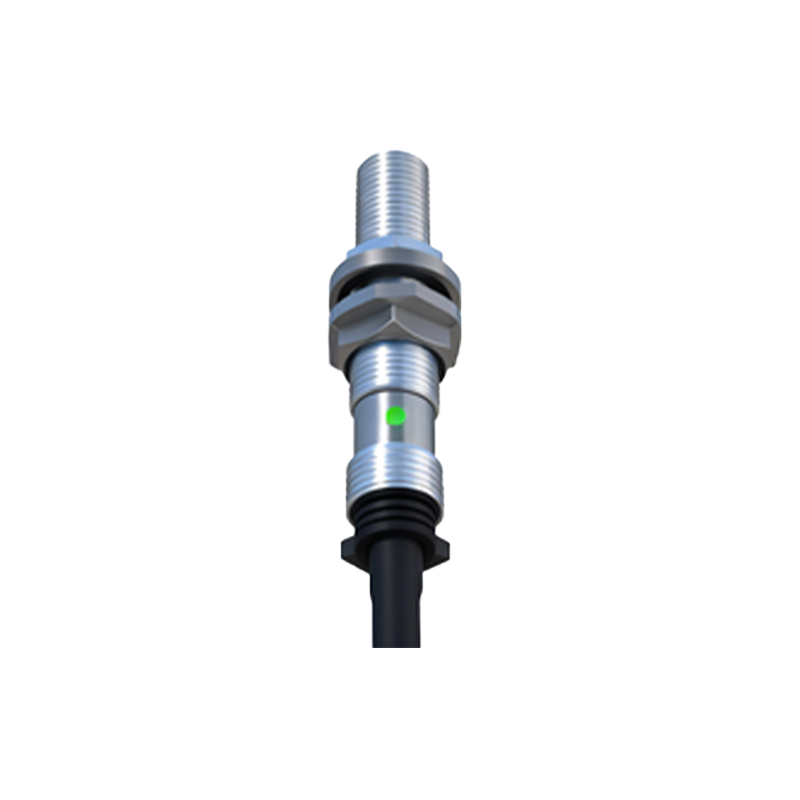
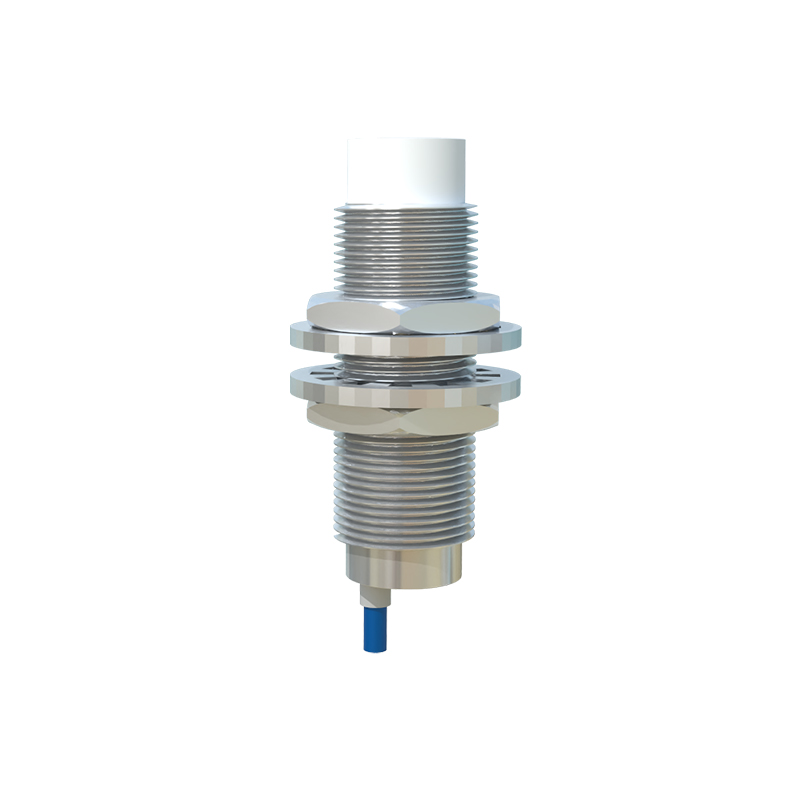
A granular look at the market reveals distinct price brackets aligned with technology and application. Standard inductive cylindrical sensors (e.g., M12, M18, M30) represent the volume-driven, most competitive segment, with prices ranging from $20 to $100 per unit for basic models. Capacitive sensors, due to their more complex circuitry for detecting a wider range of materials, typically start at a 20-50% premium over comparable inductive models. Photoelectric sensors, with their need for precise optical components and emitters, occupy a broad spectrum; simple diffuse models may be priced similarly to mid-range inductive sensors, while advanced laser-based or background suppression models can cost several hundred dollars. Ultrasonic sensors, essential for precise distance measurement and level detection, often represent the higher end of the price scale due to sophisticated piezoelectric transducers and signal processing electronics, frequently exceeding $150 per unit for industrial-grade devices.
The Impact of Brand Reputation and Certification
Brand equity and certification play a non-trivial role in market pricing. Established global manufacturers like Siemens, Omron, Pepperl+Fuchs, and Balluff command a price premium of 15-30% over generic or lesser-known brands. This premium is justified by proven reliability, extensive R&D investment, comprehensive global technical support, longer product lifecycles, and robust warranty terms. These brands invest heavily in obtaining international certifications (e.g., ATEX, IECEx for hazardous areas, UL, CE), the costs of which are factored into the product price. For mission-critical applications in automotive, pharmaceutical, or food and beverage industries, this premium is often considered a necessary cost of ensuring production uptime and safety, rather than an optional expense.
Supply Chain and Volume Considerations
Macro-economic and supply chain factors exert tremendous influence on the market price landscape. Fluctuations in the prices of copper, rare-earth elements for magnets, and semiconductors can cause noticeable price volatility. The recent global chip shortage vividly demonstrated how a bottleneck in one component can increase costs across entire sensor families. Furthermore, purchasing volume is a primary lever for cost negotiation. Original Equipment Manufacturers (OEMs) procuring sensors in tens of thousands of units secure significantly lower per-unit prices through long-term contracts and blanket orders compared to a maintenance engineer buying a single replacement unit. Distributors and system integrators operate within this framework, adding a markup for inventory holding, pre-sales engineering, and local availability.
Future Price Trends and Smart Sensor Integration
The market is witnessing a pivotal trend: the integration of Industry 4.0 capabilities is reshaping the value proposition and, consequently, the price structure of proximity sensors. The advent of "smart sensors" with embedded diagnostics, predictive maintenance data, and direct digital communication (via IO-Link, Ethernet-APL) adds cost at the point of purchase. However, this initial higher investment—often 30-100% more than a standard binary sensor—is increasingly justified by the total cost of ownership (TCO) savings. These savings come from reduced wiring, faster commissioning, and minimized unplanned downtime. While the base price for standard sensors may remain stable or see slight deflation due to manufacturing efficiencies, the market for advanced, connected sensors is expected to grow, supporting higher average selling prices (ASPs) for feature-rich products. In conclusion, understanding proximity sensor market price requires a holistic view of technology, brand value, supply economics, and the evolving paradigm of industrial connectivity.