Introduction to Photoelectric Sensing Technology
Photoelectric sensors are pivotal components in modern industrial automation, utilizing light beams to detect the presence, absence, or distance of objects. These sensors operate by emitting a light source—typically infrared, visible red, or laser—and measuring the reflected or interrupted light. Their non-contact nature makes them ideal for applications involving delicate or fast-moving materials, such as rubber products. In rubber manufacturing and processing, precise detection is crucial for quality control, positioning, and sorting. The reliability, speed, and adaptability of photoelectric sensors have made them a standard choice in this sector, ensuring efficient production lines with minimal downtime.
Working Principles in Rubber Detection
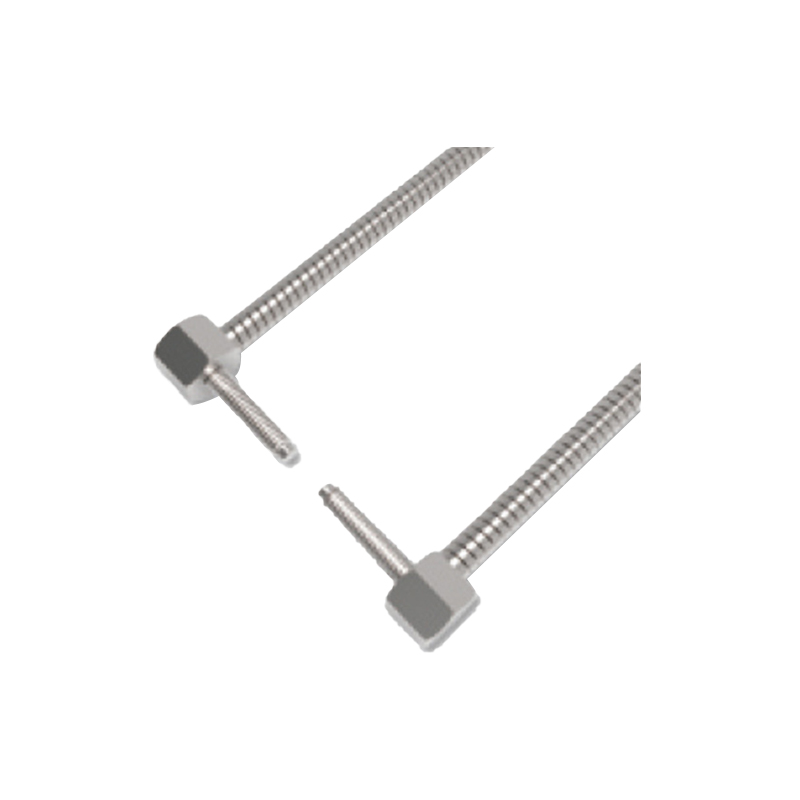
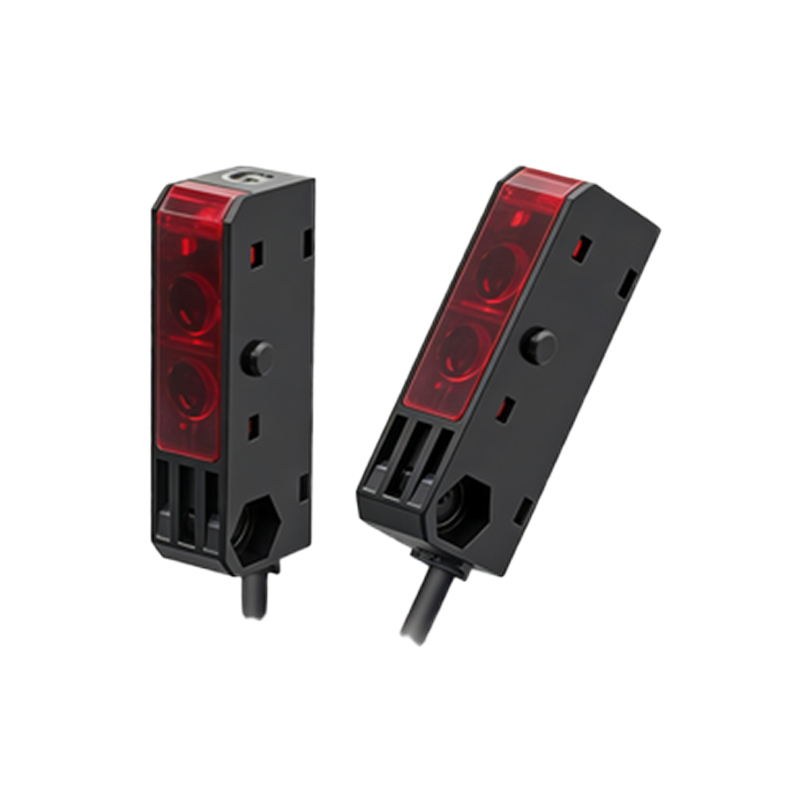
The core mechanism involves three main types: through-beam, retro-reflective, and diffuse reflective sensors. Through-beam sensors use separate emitter and receiver units; when a rubber object passes between them, it interrupts the light beam, triggering detection. This method offers high accuracy and long sensing ranges, suitable for detecting large rubber sheets or tires. Retro-reflective sensors employ a single unit with a reflector; detection occurs when the rubber object blocks the light reflected back. Diffuse reflective sensors rely on light bouncing off the rubber surface itself, making them effective for close-range applications like detecting rubber seals or gaskets. Each type is selected based on factors like rubber color, texture, and environmental conditions.
Challenges in Detecting Rubber Materials
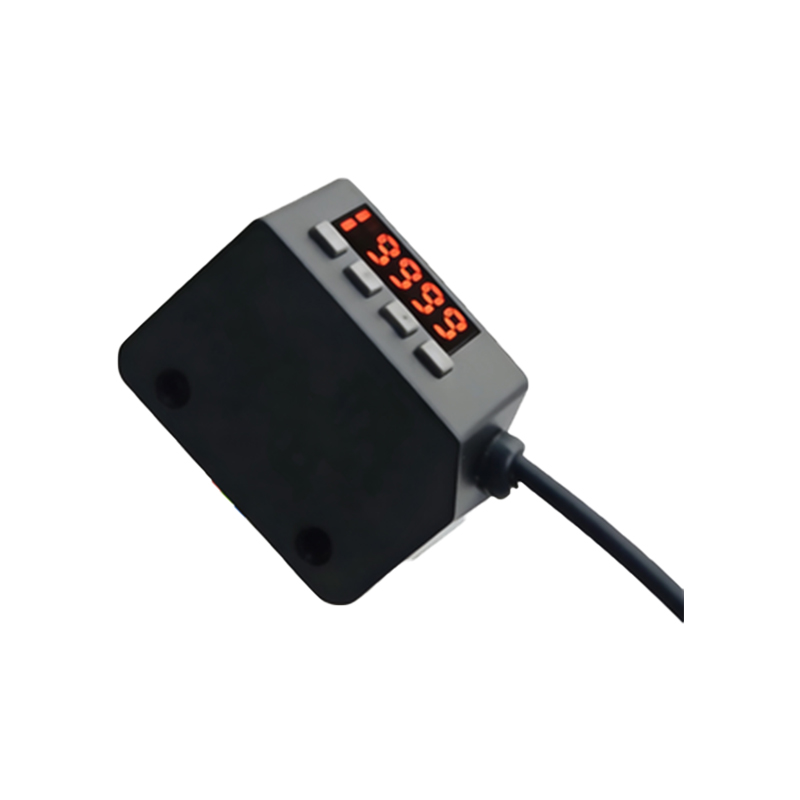
Rubber presents unique challenges due to its varied properties. Dark or black rubber absorbs light, reducing reflectivity and making detection difficult with standard sensors. To overcome this, sensors with high-intensity LEDs or laser sources are used to penetrate low-reflectivity surfaces. Additionally, rubber products often have uneven textures or glossy finishes, which can scatter light and cause false readings. Environmental factors like dust, oil, or temperature fluctuations in manufacturing plants can also affect sensor performance. Advanced models with background suppression or polarization filters help mitigate these issues, ensuring stable operation.
Applications in Rubber Industry Processes
In rubber production, photoelectric sensors are integrated into multiple stages. During extrusion or molding, they monitor the flow of raw rubber, detecting jams or inconsistencies in real-time. In conveyor systems, sensors position rubber belts or sheets for cutting and stamping, enhancing precision. For quality assurance, they identify defects like cracks or deformities in finished products, such as hoses or automotive seals. Sorting applications use sensors to distinguish rubber types based on color or opacity, streamlining recycling processes. These applications boost productivity while reducing waste and manual intervention.
Selection Criteria for Optimal Performance
Choosing the right photoelectric sensor involves evaluating key parameters. Sensing range must match the distance to the rubber object, with longer ranges needed for large-scale operations. Response time is critical in high-speed lines to avoid bottlenecks. Environmental resistance, such as IP ratings for dust and moisture, ensures durability in harsh conditions. For dark rubber, sensors with adjustable sensitivity or specialized wavelengths (e.g., blue light for enhanced contrast) are preferred. Compatibility with industrial networks like IO-Link allows for easy integration and data monitoring, supporting Industry 4.0 initiatives in rubber manufacturing.
Advancements and Future Trends
Recent innovations are enhancing photoelectric sensors for rubber detection. Smart sensors with embedded diagnostics provide real-time feedback on performance and maintenance needs, reducing downtime. Miniaturization enables installation in compact spaces, such as robotic arms handling rubber components. The integration of AI and machine learning allows sensors to adapt to varying rubber properties autonomously, improving accuracy over time. Additionally, energy-efficient designs lower operational costs. As the rubber industry evolves toward sustainability, sensors will play a key role in optimizing resource use and supporting automated, eco-friendly production lines.