Understanding Photoelectric Sensor Fundamentals
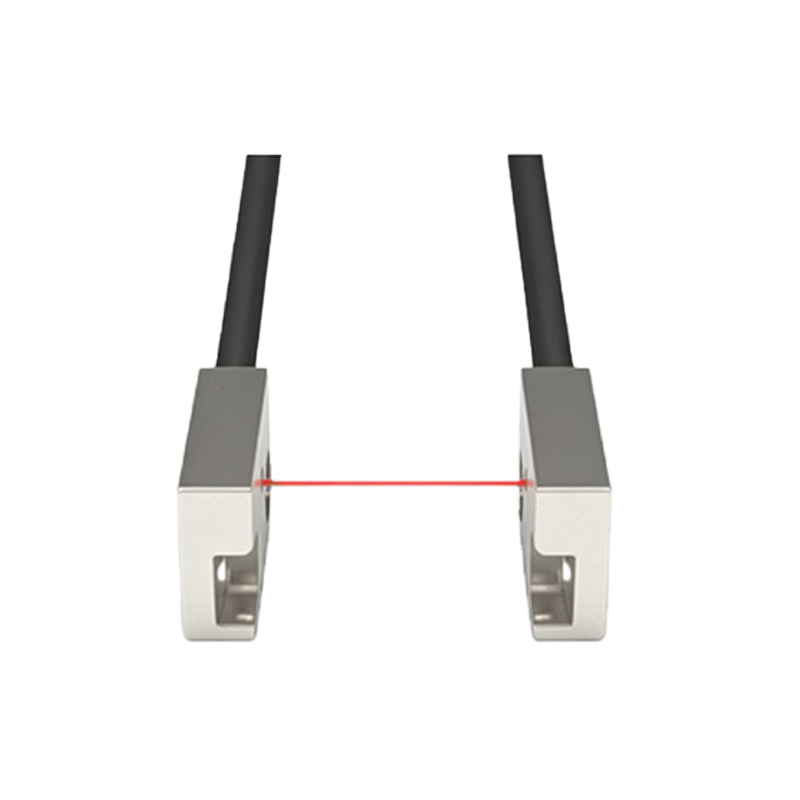
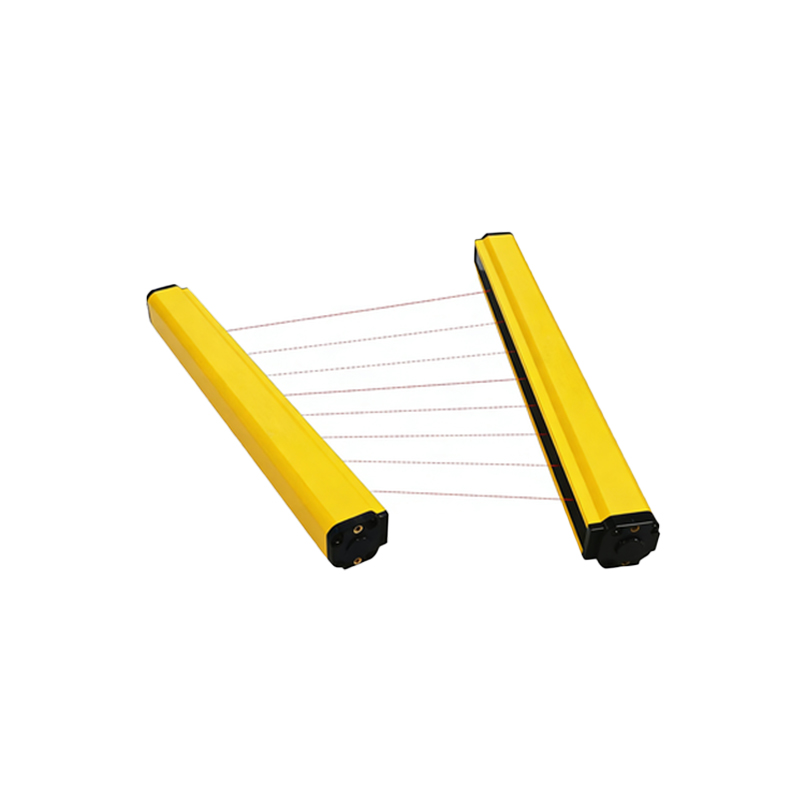
A photoelectric sensor is a device that uses a light transmitter, typically an LED or laser diode, and a photoelectric receiver to detect the presence, absence, or distance of an object. The core principle involves emitting a beam of light and analyzing the received signal. The longevity of these sensors is not defined by a single time metric like "years" but by their operational lifespan, which is primarily influenced by the light source's degradation and the robustness of the electronic components. Unlike mechanical switches, they have no moving parts to wear out, which is a key advantage. The normal operational lifespan is typically measured in tens of thousands to hundreds of thousands of hours of continuous operation under specified conditions.
Key Factors Influencing Sensor Lifespan
Several critical factors determine how long a photoelectric sensor will perform reliably. The primary factor is the light source. LED light sources, common in many sensors, have a very long life, often rated between 50,000 to 100,000 hours. Laser diodes may have different characteristics. Environmental conditions are equally crucial. Exposure to excessive dust, moisture, chemicals, or extreme temperatures can drastically shorten lifespan by damaging the lens, housing, or internal circuitry. Electrical factors like voltage spikes, incorrect wiring, or operating outside the rated voltage range can cause premature failure. Finally, the duty cycle—whether the sensor is used continuously or intermittently—also plays a significant role in its cumulative service life.
Defining "Normal" Operational Duration
In industrial settings, a "normal" lifespan for a quality photoelectric sensor is generally considered to be 5 to 10 years of continuous operation. This aligns with the typical LED life ratings of 50,000+ hours. For example, a sensor operating 24/7 would reach 50,000 hours in approximately 5.7 years. It is important to consult the manufacturer's datasheet for the specific Mean Time Between Failures (MTBF) rating, which provides a statistical prediction of reliability. A high MTBF rating, such as 100,000 hours, indicates a robust design expected to last for a long duration under normal operating conditions. This period is considered the standard benchmark for normal performance.
Signs of Sensor Degradation and Failure
Photoelectric sensors do not usually fail suddenly without warning. Gradual degradation often provides indicators. The most common sign is a reduction in sensing range or instability in detection. This is frequently caused by the LED output diminishing over time or lens contamination. Intermittent operation or false triggering can signal issues with the power supply, electrical noise, or internal component failure. Complete loss of output signal, indicated by a non-illuminating status LED or no switching action, typically points to a catastrophic failure of the light source, receiver, or output circuit. Regular monitoring for these signs is part of proactive maintenance.
Maximizing Your Sensor's Service Life
Proper selection, installation, and maintenance are paramount to achieving the maximum possible lifespan. Always select a sensor with an appropriate Ingress Protection (IP) rating for the environment. Ensure correct installation by securing mounting, protecting cables from stress, and using proper conduits in harsh areas. Implement routine maintenance schedules to clean the lens with appropriate materials to prevent buildup of dirt, oil, or debris. Ensure a stable, clean power supply within the sensor's specifications, and consider using surge protection in electrically noisy environments. Adhering to the manufacturer's guidelines for operating temperature and humidity is non-negotiable for long-term reliability.
When to Consider Replacement
Planning for replacement is a strategic decision. Even with perfect maintenance, components age. Consider proactive replacement as part of a reliability-centered maintenance program if the sensors are critical to process safety or uptime. The replacement cycle often aligns with major machine overhauls or line upgrades. If a sensor begins showing consistent signs of degradation despite cleaning and troubleshooting, replacement is more cost-effective than dealing with unplanned downtime. Keeping spare sensors for critical applications is a standard industry practice to minimize disruption when a unit eventually reaches the end of its normal service life.