Introduction to Slot-Type Photoelectric Sensors
Slot-type photoelectric sensors, also known as through-beam sensors, consist of an emitter and a receiver aligned within a U-shaped housing. The emitter projects a light beam across the gap to the receiver. When an object passes through this slot, it interrupts the beam, triggering a detection signal. These sensors are widely valued in industrial automation for their non-contact operation, high-speed response, and reliability in detecting small objects or precise positions. A fundamental and critical specification for these devices is the minimum detectable size, which determines their capability to sense tiny objects accurately and consistently.
Defining Minimum Detectable Size
The minimum detectable size refers to the smallest object dimension that can reliably interrupt the sensor's light beam to produce a stable output signal. It is not merely a function of the beam's width or the slot's physical gap. Instead, it is a complex parameter influenced by the beam's effective spot size at the detection point, the object's opacity, the sensor's sensitivity (gain), and the system's signal-to-noise ratio. An object must be sufficiently large and opaque to block enough light to cause a detectable change in the receiver's output, transitioning it reliably from a "light" state to a "dark" state.
Key Factors Influencing Detection Limits
Several technical factors govern the practical minimum detectable size of a slot sensor. First is the optical system design, including the lensing of the emitter and the receiver's aperture, which shapes the beam profile. A well-collimated beam with a small, concentrated spot size allows for detecting smaller objects. Second, the wavelength and type of light source (e.g., red LED, infrared, laser) play a role; laser-based slot sensors typically offer the smallest beam spots and thus the best resolution for tiny objects. Third, the electronic circuitry's sensitivity and hysteresis settings are crucial. High gain can detect weaker interruptions but may increase susceptibility to noise from dust or ambient light. Finally, environmental conditions like contamination on lenses or vibrational misalignment can degrade performance, effectively increasing the minimum size required for reliable detection.
The Role of Beam Shape and Alignment
The geometry of the light beam within the slot is paramount. In an ideal, perfectly aligned slot sensor, the beam should be a narrow cylinder. However, due to divergence, the beam often forms an hourglass shape, with its narrowest point (the waist) being the optimal detection zone. The minimum detectable object must be large enough to cover a significant portion of this beam waist. If the object is too small, it may only partially block the beam, causing an insufficient drop in received light intensity, leading to an unstable or missed detection. Precise mechanical alignment during installation is critical to maintain this optimal beam profile and achieve the sensor's specified detection performance.
Calculating and Specifying Minimum Size
Manufacturers typically specify the minimum detectable size in their datasheets, often under conditions like a standard opaque test card (e.g., black anodized aluminum). This specification is derived empirically. A simplified theoretical approach considers the beam's diameter (d) at the detection point. As a rule of thumb, for reliable on/off detection, the object's size should be at least 50% to 80% of the beam diameter to ensure a clear signal transition. For example, a sensor with a beam spot diameter of 1mm might reliably detect an opaque object as small as 0.5mm to 0.8mm. For detecting very fine items like thin wires or small component leads, sensors with a focused laser beam and a built-in amplifier with adjustable sensitivity are essential.
Application Considerations and Best Practices
Selecting a sensor with an appropriate minimum detectable size is vital for application success. In electronics assembly, detecting the presence of a tiny semiconductor lead or a thin connector pin demands a high-resolution sensor. In packaging, verifying the existence of a small pill or a thin label tab requires similar precision. Best practices include: always consulting the manufacturer's datasheet for the minimum detectable object specification; testing with the actual object material under real operating conditions, as transparency and color affect performance; ensuring stable mounting to prevent misalignment; and keeping the optical windows clean. Utilizing sensors with a teach-in function or programmable sensitivity can also help fine-tune the detection threshold for challenging small objects.
Advancements and High-Precision Solutions
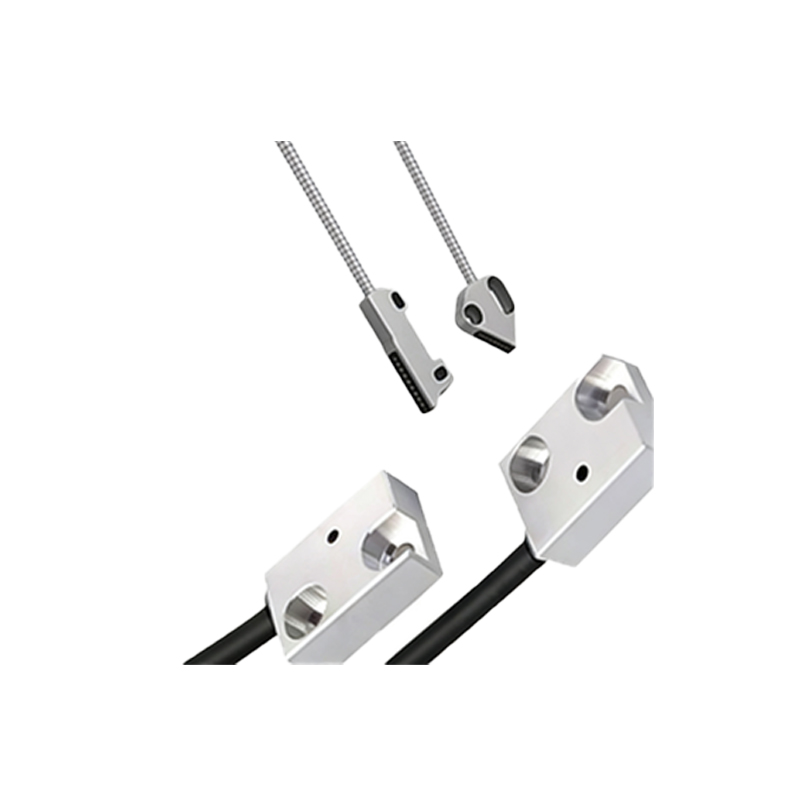
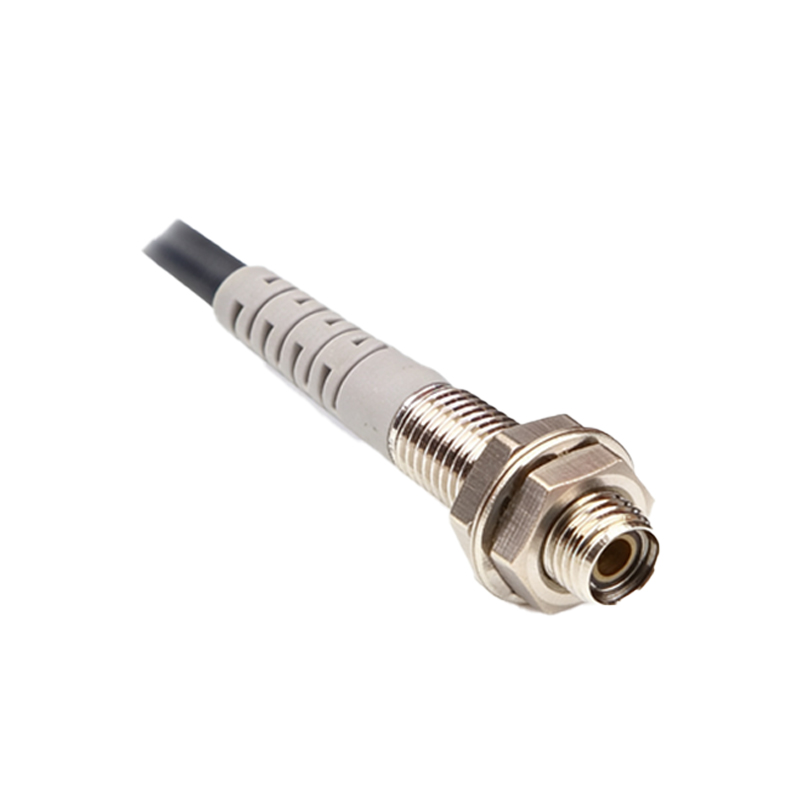
Technological advancements continue to push the boundaries of minimum detectable size. Modern slot sensors incorporate laser diodes that produce extremely narrow, visible beams, allowing for the detection of objects as small as 0.05mm or even less. Advanced models feature digital amplifiers with sophisticated algorithms that analyze the light intensity curve, enabling them to distinguish between a partial beam blockage by a tiny target and signal fluctuations caused by noise. Furthermore, the development of fiber-optic units used in conjunction with slot-style housings provides an alternative for detecting ultra-micro objects in confined spaces, offering exceptional resolution and flexibility.
Conclusion
The minimum detectable size is a core performance metric for slot-type photoelectric sensors, defining their applicability in precision detection tasks. It is a system-level characteristic determined by optical design, electronic sensitivity, and environmental robustness. Understanding the factors that influence this parameter allows engineers to select the correct sensor, configure it properly, and deploy it effectively in demanding automation applications, from micro-electronics to pharmaceutical manufacturing, ensuring reliable operation and high-quality control.