Understanding Proximity Sensors
A proximity sensor is a non-contact electronic device designed to detect the presence or absence of an object within a specified range without any physical contact. These sensors operate by emitting an electromagnetic field, beam of electromagnetic radiation (like infrared light), or acoustic signal, and then detecting changes in the field or return signal. The core principle is based on the interaction between the sensor's emitted energy and the target object. Common types include inductive sensors for detecting metallic objects, capacitive sensors for detecting both metallic and non-metallic materials, and photoelectric sensors which use light beams. Their primary function is to provide a reliable, wear-free method for object detection, counting, and positioning in automated systems, contributing significantly to efficiency and safety by preventing collisions or enabling precise control.
Exploring Light Sensors
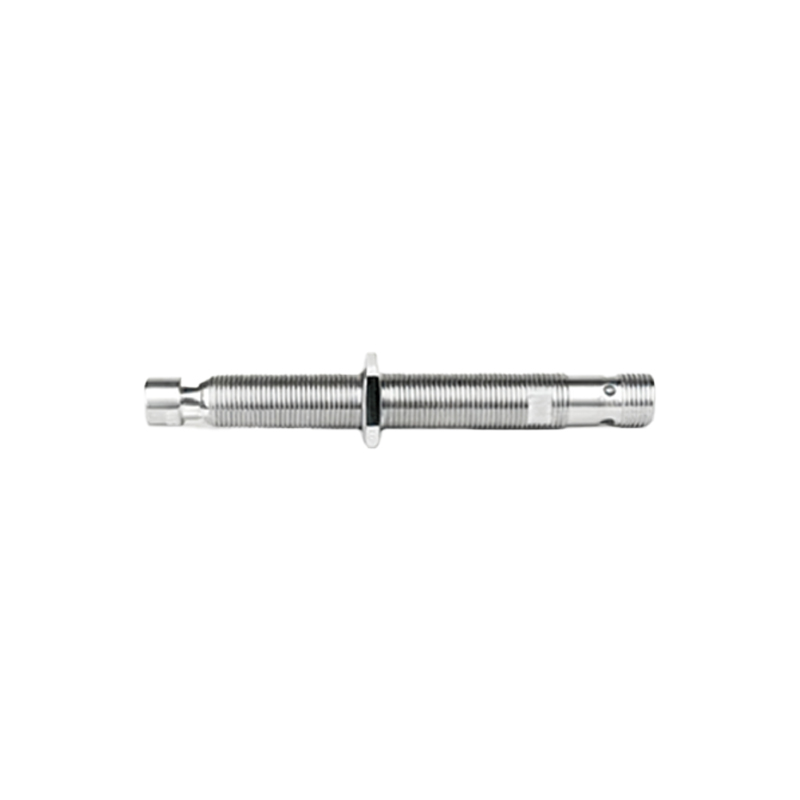
A light sensor, or photosensor, is a component that converts light energy (photons) into an electrical signal (electrons). It measures the intensity, presence, or absence of light in its environment. The most common types are photoresistors (LDRs), which change resistance based on light intensity, photodiodes, and phototransistors. These devices function by utilizing semiconductor materials that release electrons when struck by photons, generating a current or changing voltage proportional to the light level. Their fundamental role is to enable systems to respond to ambient light conditions. This functionality is crucial for applications like automatic lighting control, display brightness adjustment in devices, and in complex industrial settings for sorting, inspection, and detecting object presence based on reflectivity or beam interruption.
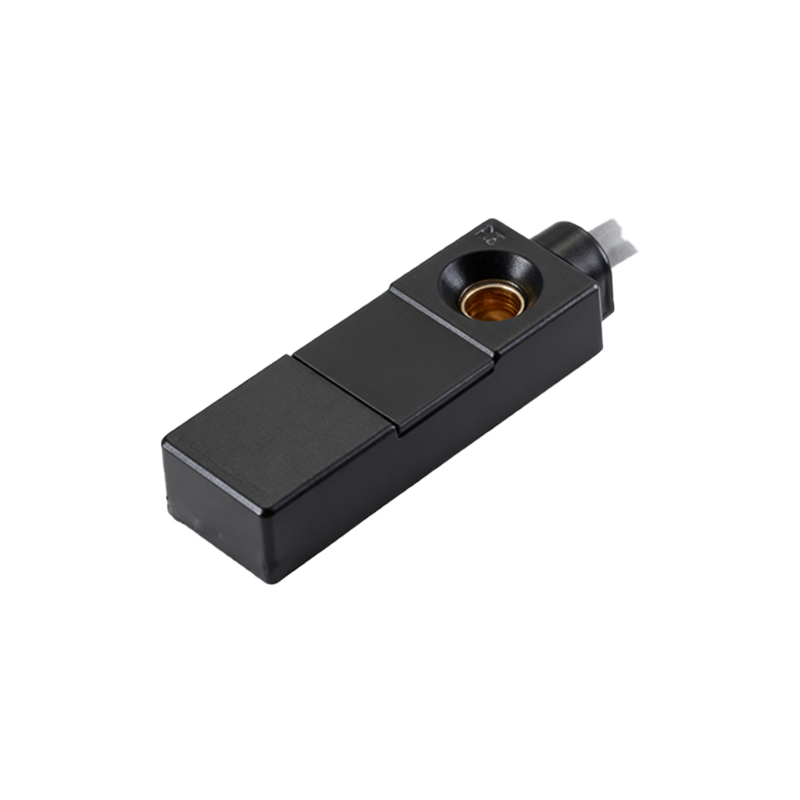
Key Functional Differences and Overlaps
While both sensor types are pivotal in automation, their core functions differ. A proximity sensor's primary goal is distance-based detection—determining if and sometimes how far an object is. A light sensor's primary goal is to quantify light intensity—measuring how much light is present. However, a significant overlap exists in photoelectric proximity sensors. These devices use a focused light beam (often infrared) to detect an object's presence by measuring the reflection or beam break. In this configuration, the light acts as the detection medium for proximity. Conversely, a standard ambient light sensor does not typically measure distance; it measures the general illumination. Understanding this distinction is vital for selecting the correct sensor: use a dedicated proximity sensor for reliable object detection regardless of ambient light, and a dedicated light sensor for environmental brightness measurement.
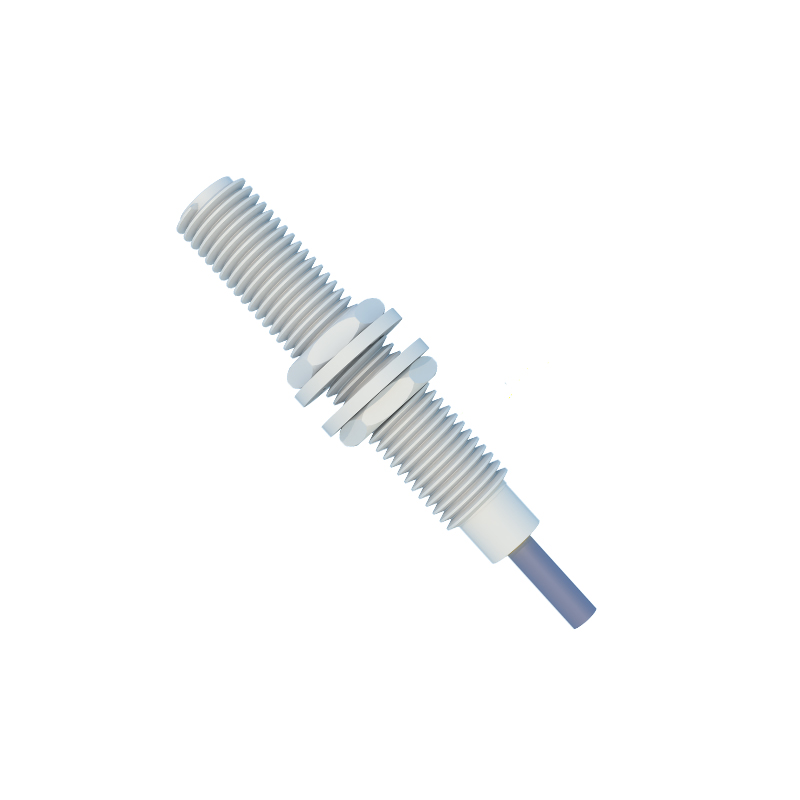
Industrial Applications of Proximity Sensors
In industrial automation, proximity sensors are indispensable. Inductive sensors are extensively used on assembly lines to detect metal parts for counting, positioning on conveyor belts, or verifying the presence of components in machining centers. Capacitive sensors can detect liquids, plastics, or granular materials through containers, making them ideal for level detection in silos or packaging lines. Photoelectric proximity sensors, with their longer sensing ranges, are employed for object detection in material handling, packaging machinery, and as safety curtains to protect hazardous areas. Their non-contact nature ensures high reliability, fast response times, and minimal maintenance, which are critical for high-availability manufacturing environments and robotic systems.
Industrial Applications of Light Sensors
Light sensors serve critical functions across various industrial sectors. In manufacturing, they are integral to quality control systems, such as detecting labels on products, checking for correct fill levels in transparent bottles by measuring light transmission, or sorting items by color using sophisticated RGB sensors. They are used in optical encoders to provide precise position and speed feedback for motors. In warehousing and logistics, light sensors facilitate automatic door operation and guide autonomous mobile robots (AMRs) by reading optical markers. Furthermore, ambient light sensors in industrial HMI panels and control rooms automatically adjust screen brightness to optimize operator visibility and reduce power consumption, enhancing both ergonomics and energy efficiency.
Integration and System Considerations
Successful implementation of these sensors requires careful system integration. Factors such as sensing range, response time, environmental conditions (dust, moisture, temperature), and the material properties of the target object must be considered. For proximity sensors, the sensing distance can be affected by the object's size, material, and color. For light sensors, ambient light interference from other sources must be shielded against. Output types are also crucial; sensors may provide digital (on/off) or analog (proportional) signals to interface with Programmable Logic Controllers (PLCs) or microcontrollers. Proper mounting, alignment, and regular maintenance, like lens cleaning for optical types, are essential for sustained accuracy and preventing false triggers in critical processes.
Future Trends and Advancements
The evolution of proximity and light sensor technology is driven by Industry 4.0 and the Internet of Things (IoT). Modern