Introduction to Amusement Optoelectronic Sensors
Optoelectronic sensors are pivotal components in the amusement and gaming industry, enabling precise detection, safety mechanisms, and interactive experiences in attractions, arcade games, and theme park rides. These sensors, which include photoelectric, infrared, and laser types, convert light signals into electrical outputs to monitor movement, position, and object presence. Manufacturers specializing in amusement optoelectronic sensors often integrate advanced features like high-speed response, durability in varied environments, and compliance with international safety standards. As the demand for immersive entertainment grows, locating reliable manufacturers becomes essential for developers and operators seeking to enhance their offerings with cutting-edge technology.
Key Regions for Manufacturer Locations
Amusement optoelectronic sensor manufacturers are concentrated in several global hubs known for technological innovation and industrial expertise. In North America, companies are often based in the United States, particularly in states like California, Texas, and Illinois, where tech parks and manufacturing facilities support R&D for entertainment applications. Europe hosts manufacturers in Germany, the United Kingdom, and Italy, leveraging strong engineering traditions to produce high-precision sensors for theme parks and gaming systems. Asia-Pacific is a major player, with China, Japan, and South Korea leading in mass production and cost-effective solutions, often exporting sensors worldwide. These regions offer diverse advantages, from innovation clusters to supply chain efficiency, making them prime locations for sourcing sensors.
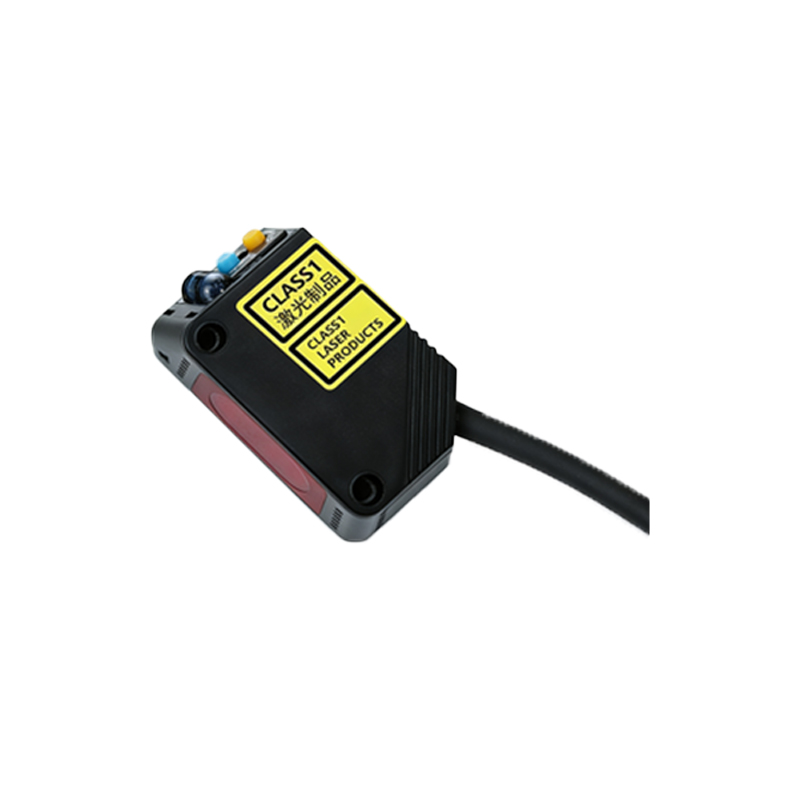
How to Identify Reputable Manufacturers
When searching for amusement optoelectronic sensor manufacturers, consider factors beyond just address. Look for companies with proven industry experience, evidenced by case studies or client testimonials from amusement parks, arcades, or interactive installations. Certifications such as ISO 9001 for quality management or CE marking for European compliance indicate adherence to rigorous standards. Evaluate their product portfolios for sensors tailored to amusement needs, like waterproof designs for outdoor rides or low-light variants for dark attractions. Additionally, assess their R&D capabilities and after-sales support, as these ensure long-term reliability and adaptability to evolving entertainment trends. Online directories, trade shows like IAAPA Expo, and industry forums can aid in vetting manufacturers effectively.
Benefits of Sourcing from Specialized Hubs
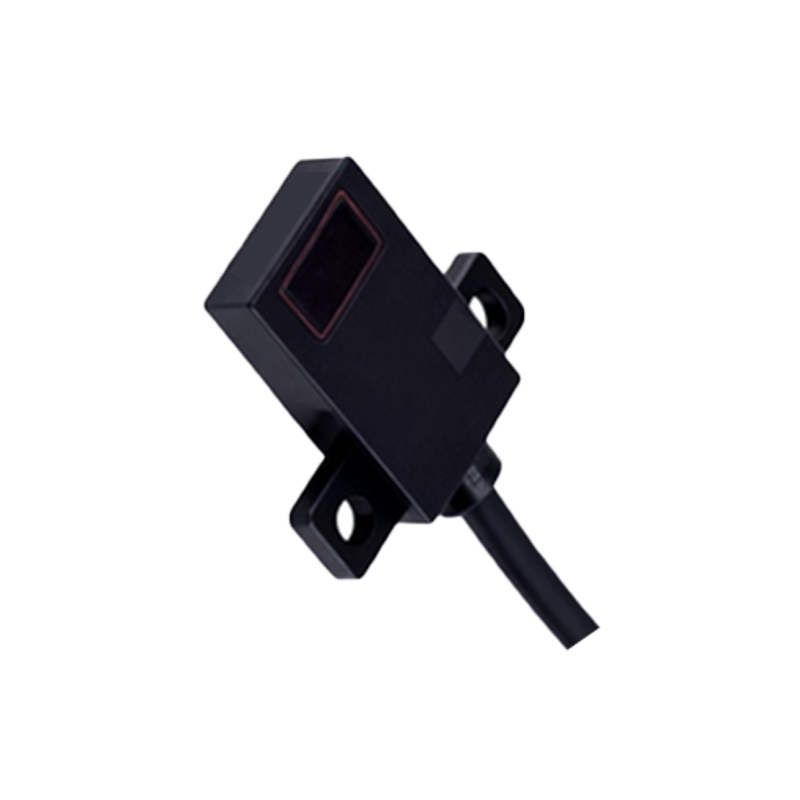
Choosing manufacturers located in specialized hubs offers multiple advantages for businesses in the amusement sector. Proximity to innovation centers allows access to the latest sensor technologies, such as AI-integrated detection or energy-efficient models, fostering competitive edge. Clusters often feature streamlined logistics, reducing lead times and costs for bulk orders—critical for large-scale projects like theme park expansions. Moreover, hubs facilitate networking with other industry players, enabling collaborations on custom solutions. For instance, manufacturers in Silicon Valley might partner with software firms to develop interactive sensor systems, while those in Shenzhen can leverage local electronics ecosystems for rapid prototyping. This geographic focus enhances both product quality and business agility.
Future Trends and Location Impacts
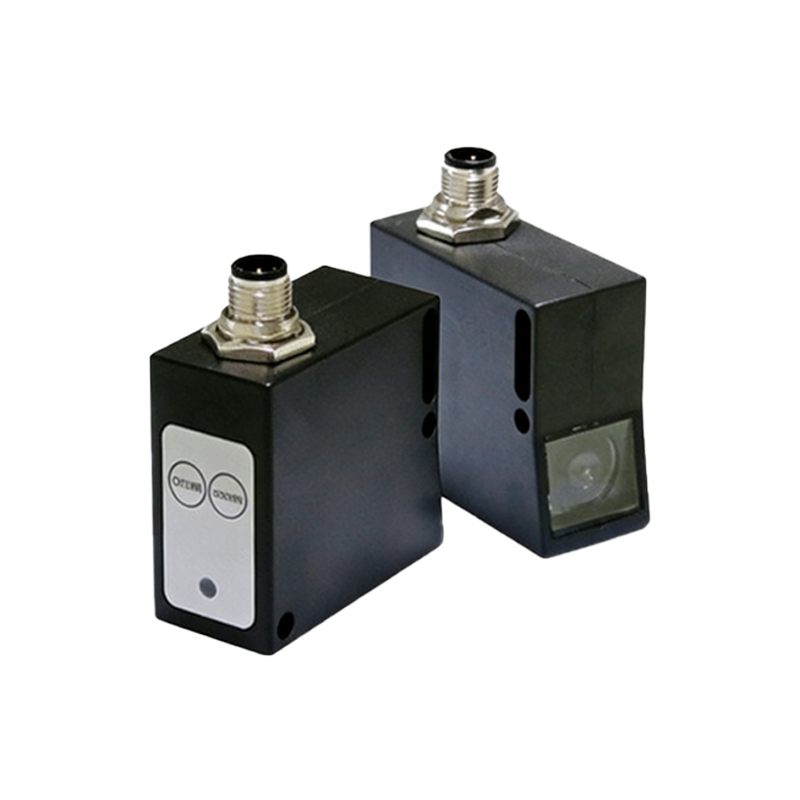
The future of amusement optoelectronic sensors is shaped by trends like IoT connectivity, augmented reality integration, and sustainability, influencing where manufacturers establish their addresses. Companies are increasingly setting up facilities near tech universities or innovation districts to tap into talent and research, such as in Boston’s Route 128 or Tokyo’s Odaiba area. As environmental regulations tighten, manufacturers in regions with green initiatives, like Scandinavia, may gain prominence by producing eco-friendly sensors. Additionally, the rise of localized production, driven by supply chain resilience post-pandemic, could see more manufacturers opening branches closer to key markets, such as in the Middle East for growing entertainment sectors. Staying informed on these trends helps in selecting manufacturers poised for long-term success.