Introduction to Single-Pass Photoelectric Sensors
A single-pass photoelectric sensor, also known as a through-beam sensor, is a fundamental and widely used type of presence detection device in industrial automation. Its operation is elegantly simple yet highly effective. The system consists of two separate, opposing units: a transmitter and a receiver. The transmitter continuously emits a beam of light, typically infrared, visible red, or laser. The receiver, positioned directly in line with the transmitter, is designed to detect this specific light beam. An object is detected the moment it physically interrupts or "breaks" this beam of light between the two units. This direct, unidirectional light path gives the single-pass sensor its name and forms the basis of its key characteristics.
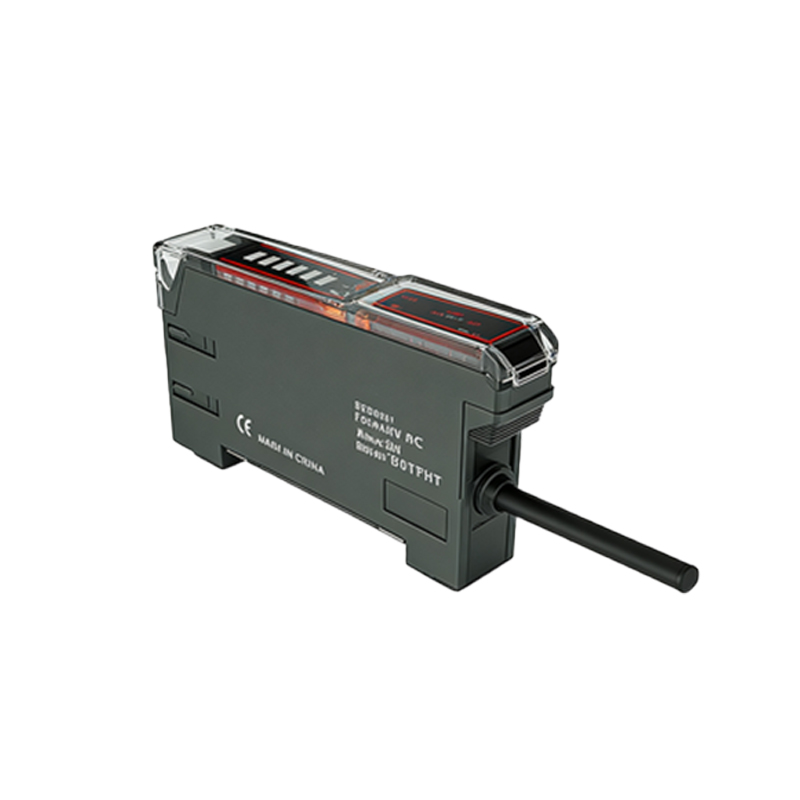
Core Operating Principle and Components
The principle is based on the modulation and reception of light. The transmitter contains a light-emitting diode (LED) or laser diode that generates the beam. To enhance immunity to ambient light interference, this light is often pulsed at a specific high frequency. The receiver contains a phototransistor or photodiode tuned to respond to the transmitter's specific frequency. When the beam is uninterrupted, the receiver's output is in one state (often termed "light-on" or "dark-on," configurable by the user). When an object blocks the beam, the light ceases to reach the receiver, causing its output to switch states. This change in the electrical signal is then used to trigger a control action, such as stopping a conveyor, counting items, or initiating a process.
Key Advantages and Strengths
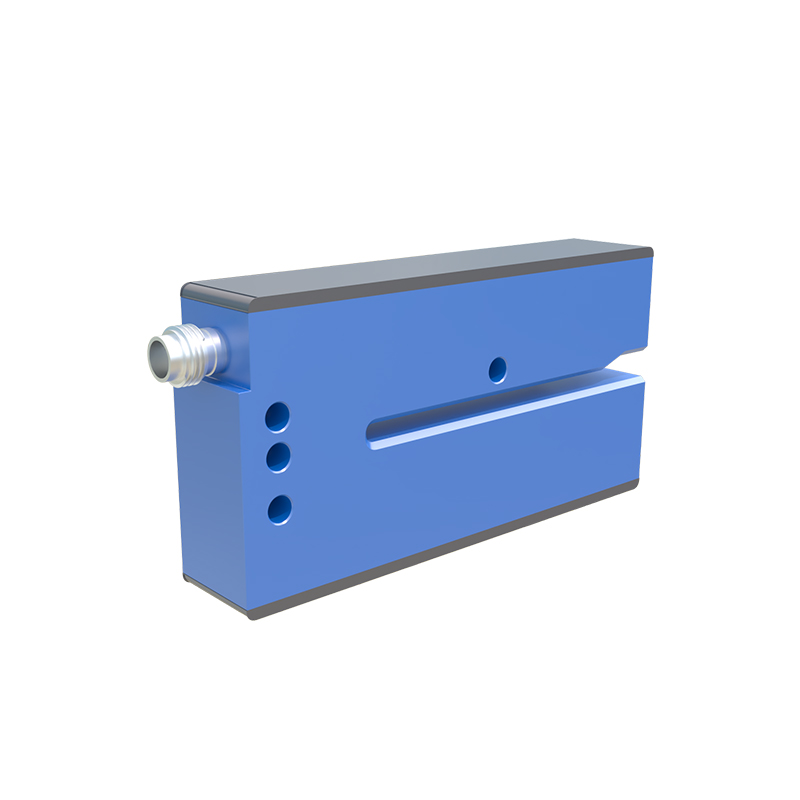
Single-pass sensors offer several distinct advantages that make them a preferred choice for many applications. First and foremost is their exceptional sensing range. They can reliably detect objects over very long distances, often several meters or more, far exceeding the capabilities of other photoelectric sensing modes like diffuse or retro-reflective. Second is their high reliability and stability. Because the receiver detects only the dedicated beam from its paired transmitter, they are largely immune to factors like object color, reflectivity, texture, or surface angle. An object will be detected as long as it is opaque enough to break the beam. This results in a very consistent and precise detection point.
Common Industrial Applications
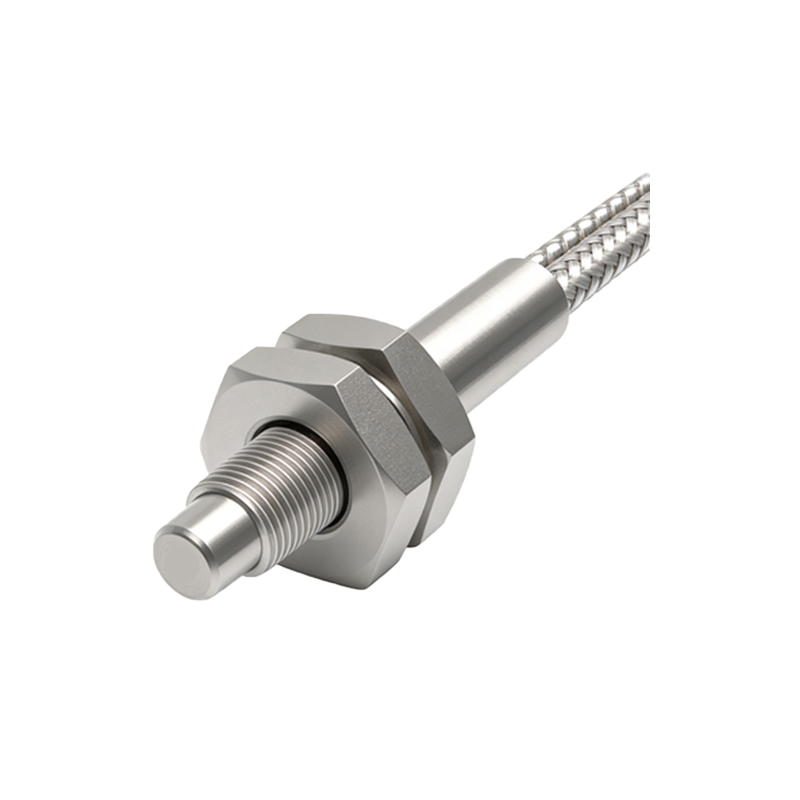
The robustness and long-range capability of single-pass sensors make them ideal for demanding industrial environments. A primary application is object detection on high-speed conveyor systems, where they reliably detect packages, bottles, or parts for counting, sorting, or positioning. They are extensively used in material handling for detecting the presence of objects at the entrance or exit of machinery, such as in packaging machines, assembly lines, and automated storage systems. Another critical use is in safety systems, where they can create "light curtains" to protect hazardous areas; when the beam is broken, machinery is immediately halted. They are also common in agriculture and forestry for vehicle detection and in the automotive industry for precise positioning of components.
Limitations and Considerations
Despite their strengths, single-pass sensors have inherent limitations that must be considered during system design. The most significant drawback is the requirement for two separate components that must be precisely aligned and installed on opposite sides of the detection point. This necessitates more complex mounting hardware and careful installation, which can be challenging in space-constrained environments or on moving machinery. Furthermore, the wiring is doubled, as both the transmitter and receiver require power and signal connections. They are also susceptible to accumulation of dirt, dust, or debris on the lenses, which can attenuate the light beam and cause false triggers or failure to detect.
Selection Criteria for Optimal Performance
Choosing the right single-pass sensor involves evaluating several parameters. Sensing range is paramount; ensure the sensor's specified range exceeds the actual gap between the emitter and receiver. Light source type is another key factor: infrared beams are discreet and powerful for long ranges, visible red beams aid in alignment and setup, while laser beams provide extremely precise detection for small objects or long distances. The housing material (typically metal or plastic) should suit the environmental conditions, considering factors like washdown requirements, chemical exposure, and physical impact. Output configuration (PNP/NPN, NO/NC) must be compatible with the connected controller (PLC). Finally, consider special features like built-in alignment indicators, synchronization capabilities to prevent crosstalk in multi-sensor setups, and high-speed response models for very fast-moving objects.
Installation, Alignment, and Maintenance Tips
Proper installation is critical for reliable operation. Begin by securely mounting both units on stable surfaces to prevent vibration-induced misalignment. Use the built-in alignment indicators (often LEDs on the receiver that change color or intensity) to achieve perfect optical alignment. For long-range setups, a laser sight or alignment tool is highly recommended. Protect the sensor lenses from direct impacts and install protective guards if necessary. Establish a regular maintenance schedule to clean the lenses with appropriate materials to prevent buildup. Periodically verify the sensor's operation and alignment, especially in environments with high vibration or thermal fluctuation, to ensure ongoing detection reliability.
Comparison with Other Sensing Modes
It is useful to contrast single-pass sensors with other common photoelectric modes. Diffuse (proximity) sensors house the emitter and receiver in a single unit, detecting light reflected off the target. They are simpler to install but have shorter ranges and are affected by target color and surface. Retro-reflective sensors also use a single housing but rely on a reflector to bounce the beam back; they offer longer ranges than diffuse sensors but can be fooled by shiny objects. In contrast, the single-pass through-beam method provides the longest range, highest excess gain (signal strength margin), and most reliable detection for opaque objects, at the cost of more complex installation. The choice ultimately depends on the specific application requirements regarding range, target characteristics, and installation constraints.