What Are Proximity Sensors?
Proximity sensors are electronic devices designed to detect the presence or absence of an object within a specific range without any physical contact. They operate based on various principles such as electromagnetic fields, infrared light, or ultrasonic waves. These sensors are integral to modern industrial systems, offering reliable and non-invasive detection capabilities. By generating an output signal when an object enters their sensing field, they enable automated processes to respond accurately and swiftly. Their ability to function in harsh environments—resisting dust, moisture, and temperature variations—makes them indispensable in sectors like manufacturing, automotive, and robotics.
Key Functions of Proximity Sensors
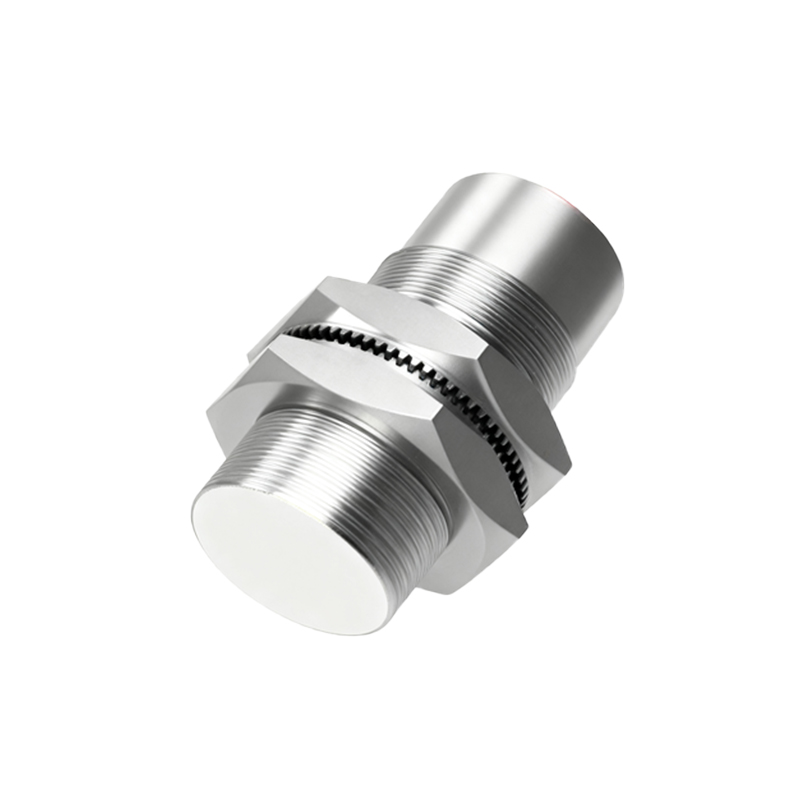
The primary function of proximity sensors is to provide precise object detection for automation control. They can identify metallic or non-metallic materials depending on the sensor type, such as inductive sensors for metals or capacitive sensors for liquids and plastics. These sensors contribute to safety by monitoring machinery movements and preventing collisions in automated systems. Additionally, they support quality control by verifying part placement or counting items on production lines. With fast response times and high repeatability, proximity sensors enhance operational efficiency, reduce downtime, and minimize human intervention in repetitive tasks.
Industrial Applications of Proximity Sensors
In industrial settings, proximity sensors serve diverse roles across multiple applications. In assembly lines, they detect components for robotic arms to pick and place items accurately. Automotive manufacturing relies on them for position sensing in engines, brake systems, and door mechanisms. They are also used in packaging machinery to monitor product levels and trigger filling processes. Beyond manufacturing, proximity sensors enable smart infrastructure, such as automatic doors in buildings or vehicle detection in parking systems. Their versatility extends to agriculture for equipment positioning and to healthcare for medical device automation.
Types of Proximity Sensors and Their Uses
Different types of proximity sensors cater to specific industrial needs. Inductive sensors excel in detecting ferrous metals, ideal for metalworking and machinery monitoring. Capacitive sensors handle non-metallic materials like wood or glass, useful in food processing or chemical industries. Ultrasonic sensors measure distances to objects, applied in level sensing for tanks or obstacle avoidance in AGVs (Automated Guided Vehicles). Photoelectric sensors use light beams for long-range detection, common in conveyor belt systems. Each type offers unique advantages, such as immunity to environmental interference or high-speed operation, tailored to optimize performance in targeted scenarios.
Benefits of Using Proximity Sensors
Implementing proximity sensors brings significant benefits to industrial operations. They improve safety by eliminating manual inspections in hazardous areas and reducing accident risks. Their non-contact nature minimizes wear and tear, leading to lower maintenance costs and longer equipment lifespan. Energy efficiency is enhanced through automated shutdowns when no objects are detected. Moreover, these sensors support data collection for predictive maintenance and process optimization, aligning with Industry 4.0 trends. By enabling precise, real-time feedback, they boost productivity and ensure consistent product quality in dynamic manufacturing environments.
Future Trends in Proximity Sensor Technology
Advancements in proximity sensor technology continue to expand their applications. Integration with IoT (Internet of Things) allows sensors to transmit data to cloud platforms for remote monitoring and analytics. Miniaturization enables their use in compact devices like smartphones or wearable electronics. Enhanced sensitivity and AI-driven algorithms improve object recognition in complex settings, such as autonomous vehicles or smart warehouses. As industries adopt more automated solutions, proximity sensors will evolve to offer higher accuracy, wireless connectivity, and adaptability to emerging challenges, reinforcing their critical role in the digital transformation of global sectors.