Introduction to Photoelectric Sensing Technology
Photoelectric sensors are fundamental components in modern industrial automation, providing non-contact detection of objects, distances, and conditions. They operate by emitting a beam of light, typically from an LED or laser diode, and detecting changes in the received light signal. These changes are then converted into electrical signals for processing by a control system. The core principle relies on the properties of light—its reflection, interruption, or modulation—to gather critical data about the presence, absence, position, or quality of an object. This technology offers significant advantages over mechanical limit switches, including faster response times, longer operational life due to lack of physical contact, and higher precision. As factories and processes become more automated and demand greater efficiency, the role of photoelectric sensors has expanded, leading to the development of more integrated and sophisticated solutions like the three-in-one photoelectric sensor.
Defining the Three-in-One Photoelectric Sensor
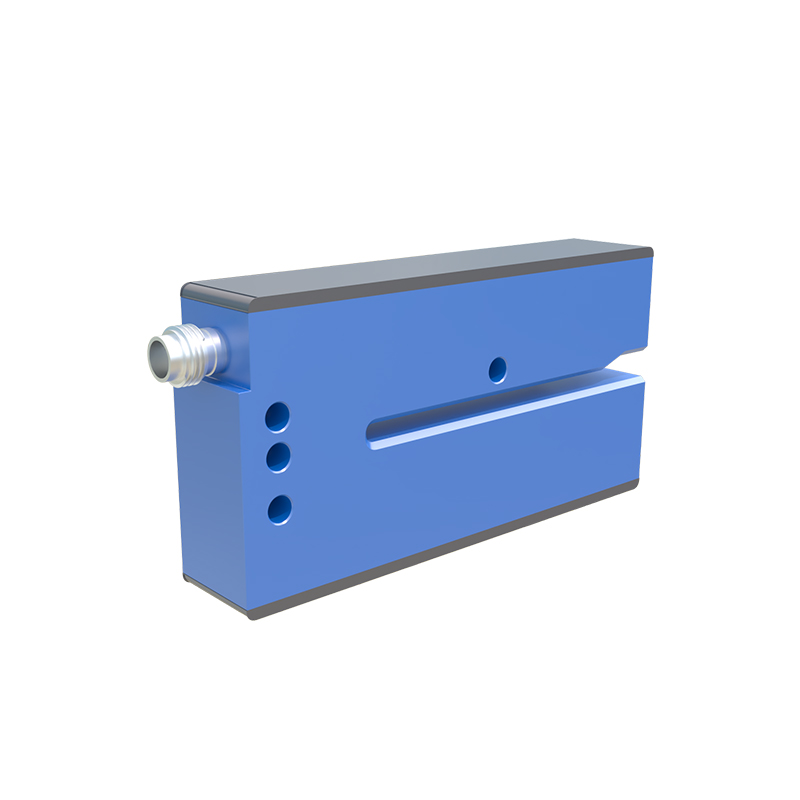
A three-in-one photoelectric sensor, often referred to in technical documentation as a "triple-function" or "all-in-one" sensor, is an advanced device that integrates three distinct operating modes into a single, compact housing. Unlike traditional single-mode sensors, this integrated design combines through-beam, retro-reflective, and diffuse reflective sensing methods. The "three-in-one" designation signifies that a single sensor unit can be configured or automatically adapts to perform detection tasks typically requiring three separate sensor models. This integration is achieved through sophisticated internal circuitry, programmable logic, and often a multi-element receiver or a tunable emitter. The primary goal is to maximize application flexibility, simplify inventory management, reduce installation complexity, and provide a future-proof solution for evolving production lines where sensing requirements may change.
Core Operating Modes Explained
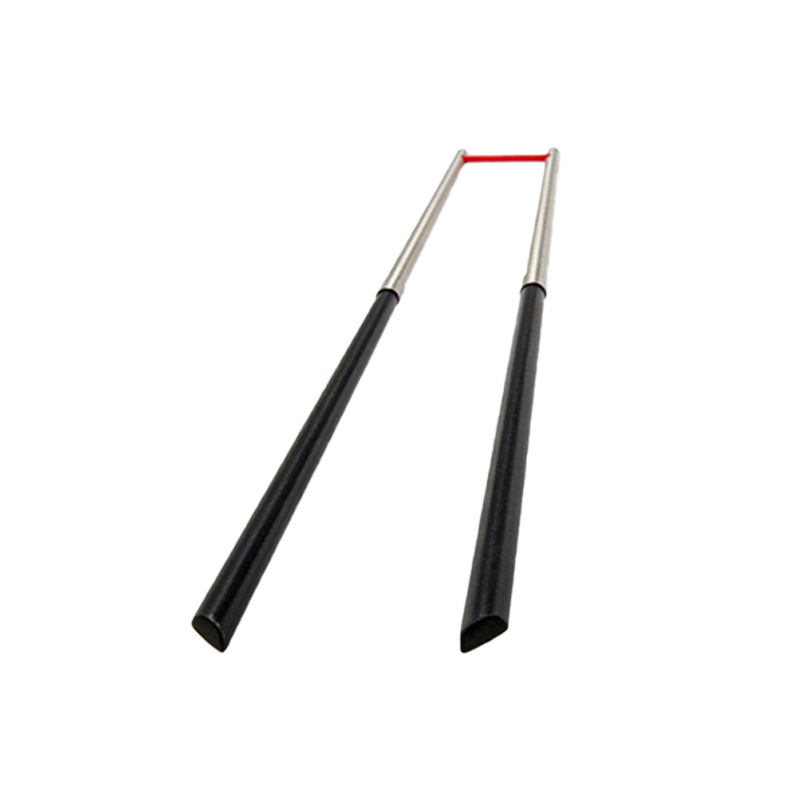
The functionality of a three-in-one sensor is built upon its three core modes. First, the through-beam (or opposed) mode involves a separate emitter and receiver unit placed opposite each other. Detection occurs when the light beam between them is interrupted by an object. This mode offers the longest sensing range and highest reliability, ideal for precise detection in challenging environments. Second, the retro-reflective mode uses a single unit that houses both emitter and receiver, along with a specialized reflector. The sensor detects an object when it blocks the light beam reflected back from the reflector. It provides a good balance of range and ease of installation. Third, the diffuse reflective (or proximity) mode also uses a combined emitter/receiver unit but detects light reflected directly off the target object itself. This mode is perfect for short-range detection and where installing a reflector or separate receiver is impractical. A true three-in-one sensor seamlessly switches between these philosophies.
Technical Architecture and Key Components
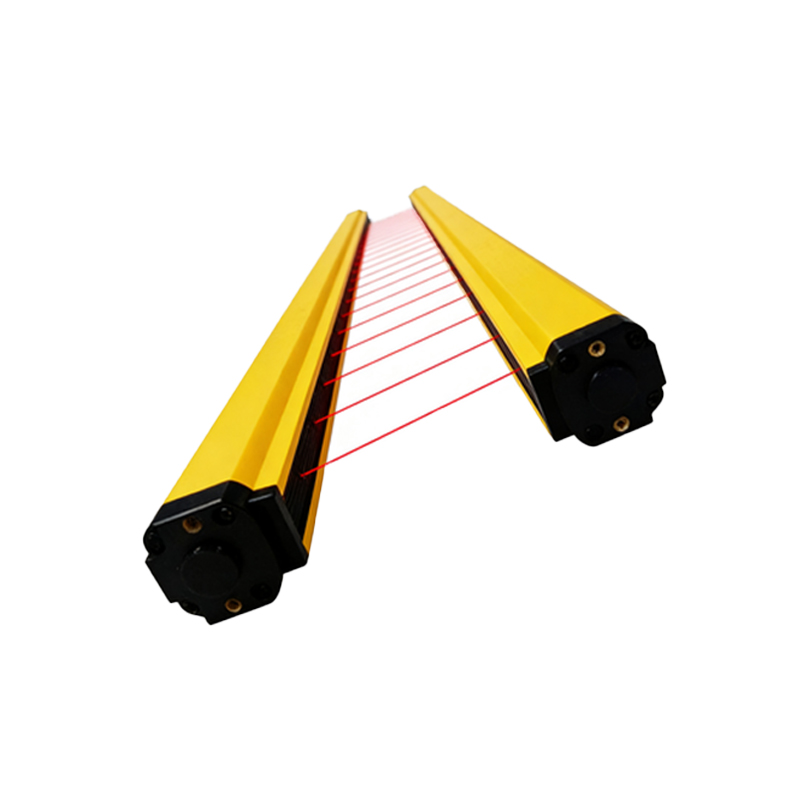
The internal architecture of a high-quality three-in-one photoelectric sensor is complex. It typically features a powerful, modulated light source (like an infrared or visible red LED) to combat ambient light interference. The heart of the system is a high-sensitivity phototransistor or photodiode array acting as the receiver. Advanced models incorporate a microprocessor or application-specific integrated circuit (ASIC) that handles signal processing, mode selection logic, and output conditioning. Key components include the optical lens system for focusing the emitted and received light, environmental sealing (often rated IP67 or IP69K for durability), and a robust housing made from materials like nickel-plated brass or stainless steel. The output stage usually provides configurable options such as NPN/PNP transistors, analog current/voltage, or IO-Link digital communication for Industry 4.0 connectivity, allowing the sensor to report not just state but also diagnostic data.
Advantages in Industrial Automation
The adoption of three-in-one photoelectric sensors brings substantial benefits to industrial settings. Flexibility is the foremost advantage; a single sensor model can be deployed across diverse applications, from packaging and material handling to automotive assembly and pharmaceutical production, simply by changing its configuration. This reduces spare part inventory and training time for maintenance staff. Secondly, it simplifies system design and reduces cabinet space, as fewer part numbers need to be specified and wired. Installation and commissioning time is drastically cut, as technicians do not need to wait for a specific sensor type—the on-site unit can be adapted. Furthermore, these sensors often include advanced features like background suppression for precise distance-based detection regardless of object color or reflectivity, and teach-in functionality for easy setup, enhancing overall system intelligence and reducing downtime.
Typical Application Scenarios
In practice, three-in-one photoelectric sensors are invaluable in dynamic environments. On a flexible manufacturing line producing multiple product variants, the same sensor can be reprogrammed to detect different package sizes (using diffuse mode for small boxes and retro-reflective for large pallets). In conveyor belt systems, they can count objects (through-beam), detect jams (retro-reflective), and verify label presence (diffuse mode with background suppression). Within automated storage and retrieval systems (AS/RS), they ensure precise positioning of shuttles and detect load presence. In the food and beverage industry, their sealed design and versatile sensing allow for detecting transparent bottles, monitoring fill levels, and confirming cap placement on a single line. Their ability to handle various object colors, surfaces (glossy, matte, transparent), and environmental conditions like dust or steam makes them a universal tool for engineers.
Selection Criteria and Installation Best Practices
Selecting the appropriate three-in-one sensor requires careful analysis. Key parameters include required sensing distance for each mode, the size and material of the target object, response speed, and environmental factors (temperature, humidity, particulates). The required output type (discrete, analog, IO-Link) and electrical compatibility (voltage range, current draw) with the PLC must be confirmed. During installation, best practices are crucial for optimal performance. Ensure precise alignment in through-beam or retro-reflective setups; even minor misalignment can cause failure. For diffuse mode, consider the target's reflectivity and adjust the sensitivity accordingly using the teach-in button or software. Always follow the manufacturer's guidelines for mounting, ensuring the sensor is secure and free from excessive vibration. Provide adequate protection for cables and connectors, especially in high-traffic areas. Regular maintenance, such as lens cleaning and functional verification, is recommended to sustain long-term reliability.
The Future: Integration with Smart Manufacturing
The evolution of the three-in-one photoelectric sensor is tightly linked to the rise of Industry 4.0 and the Industrial Internet of Things (IIoT). The next generation of these devices is becoming increasingly "smart." They are equipped with advanced digital communication protocols like IO-Link, which enables bidirectional data exchange. Beyond simply sending an on/off signal, a smart sensor can transmit parameters like internal temperature, lens contamination level, signal strength, and operating hours to a supervisory system for predictive maintenance. This allows for condition monitoring and alerts before a failure occurs, minimizing unplanned downtime. Furthermore, with enhanced processing power, future sensors may incorporate machine learning algorithms to differentiate between object types or detect subtle process anomalies. The three-in-one photoelectric sensor is thus transitioning from a simple detection device to a critical data-generating node