Introduction to Photoelectric Proximity Sensing
Photoelectric proximity sensor integrated circuits (ICs) are fundamental components in modern automation and control systems. These devices detect the presence, absence, or distance of an object without physical contact by utilizing a light emitter and a receiver. The core principle involves emitting a beam of light—typically infrared, visible red, or laser—and analyzing the reflected signal. When an object enters the sensing field, it alters the light beam, triggering a change in the receiver's output. This non-contact method offers significant advantages over mechanical switches, including higher reliability, longer operational life, and the ability to detect a wide variety of materials, including transparent or glossy surfaces under specific configurations. The integration of the emitter, receiver, and signal processing circuitry into a single IC package has driven miniaturization, improved performance consistency, and reduced system complexity and cost.
Core Technology and Operating Modes
The functionality of a photoelectric proximity sensor IC is defined by its operating mode. The three primary configurations are through-beam, retro-reflective, and diffuse (proximity) sensing. Through-beam sensors consist of separate emitter and receiver units placed opposite each other. Detection occurs when an object breaks the light beam. This mode offers the longest sensing range and highest reliability in challenging environments. Retro-reflective sensors house the emitter and receiver in the same housing, using a reflector to bounce the light beam back. An object is detected when it interrupts this reflected beam. Diffuse, or proximity, sensors also have co-located emitter and receiver, but they detect light reflected directly off the target object itself. This mode is the most common for general proximity detection, though its range is shorter and it can be influenced by the object's color and reflectivity. Modern ICs incorporate advanced modulation techniques to filter out ambient light interference, ensuring stable operation.
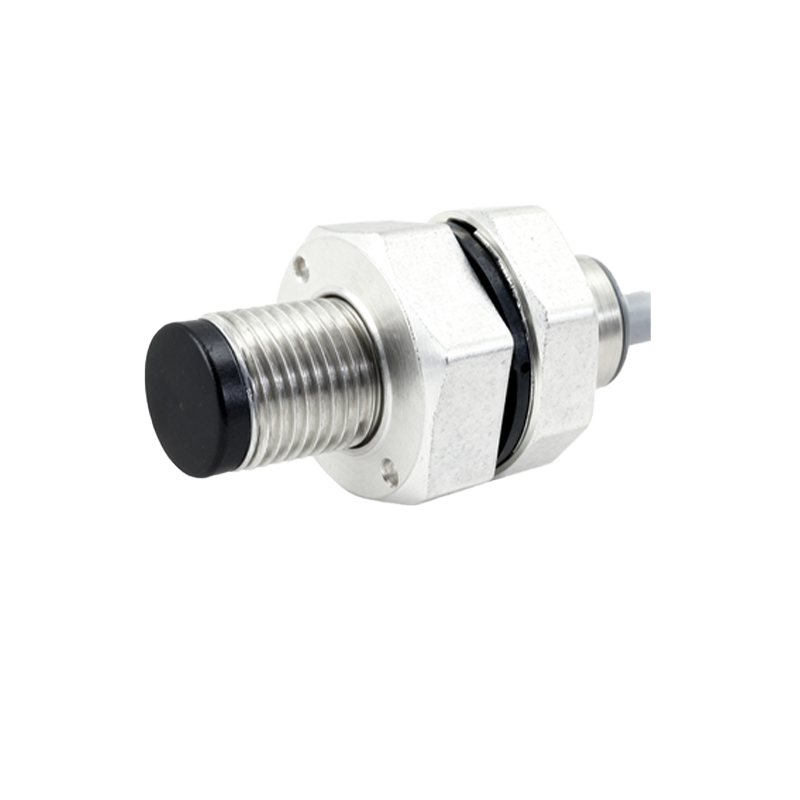
Key Components and IC Architecture
Internally, a sophisticated photoelectric sensor IC integrates several key subsystems. The light-emitting element is usually a light-emitting diode (LED) or a laser diode, chosen for its wavelength and output power. The receiver is typically a phototransistor or a photodiode, which converts incoming light intensity into a proportional electrical current. The heart of the IC is the application-specific integrated circuit (ASIC) that performs signal conditioning, amplification, and processing. This ASIC often includes a modulator that pulses the LED at a high frequency and a synchronous demodulator in the receiver path. This design allows the IC to distinguish the modulated signal from constant ambient light, dramatically improving signal-to-noise ratio. Additional features integrated into the IC may include a programmable logic controller interface, adjustable sensing thresholds, temperature compensation circuits, and built-in diagnostics like output status LEDs.
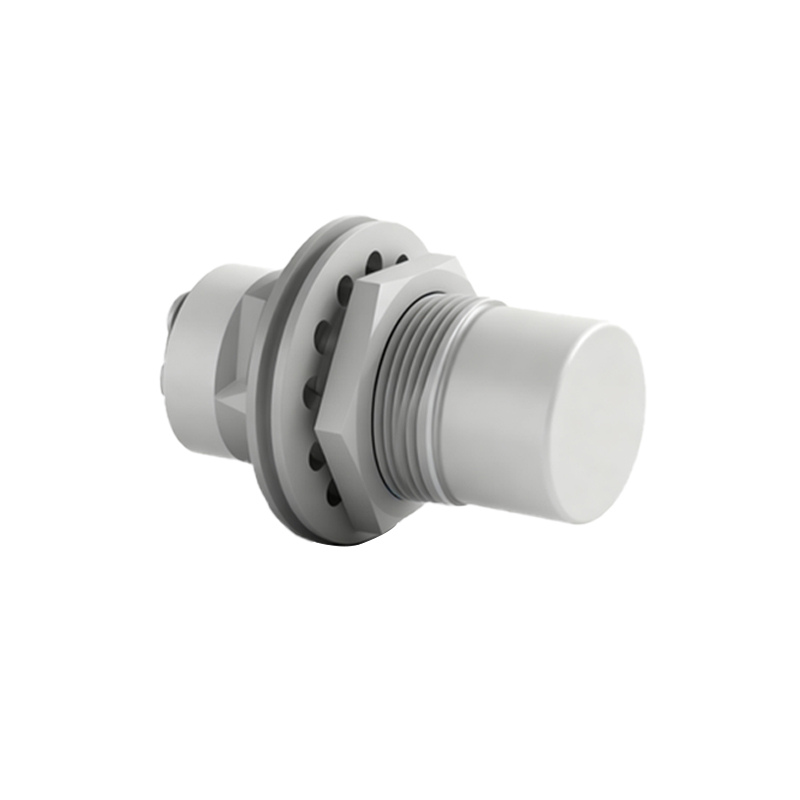
Critical Performance Parameters for Selection
Selecting the right photoelectric proximity sensor IC requires careful evaluation of several technical specifications. Sensing range, defined as the maximum distance at which a standard target can be reliably detected, is paramount. It varies greatly between operating modes. Response time, or the speed at which the IC can detect a change and toggle its output, is crucial for high-speed automation. The type of output (e.g., digital NPN/PNP, analog current/voltage, or IO-Link) must match the control system's input requirements. Environmental robustness is determined by the Ingress Protection (IP) rating, which defines resistance to dust and water. Operational temperature range, supply voltage tolerance, and housing material (often plastic or metal) are also vital. Furthermore, considerations about the target object—its size, material, color, and surface finish—directly influence the choice of sensor type and its configuration.
Applications Across Industries
The versatility of photoelectric proximity sensor ICs enables their deployment across a vast spectrum of industries. In factory automation, they are ubiquitous on assembly lines for counting, positioning, jam detection, and verifying part presence. Packaging machinery uses them to detect labels, monitor fill levels, and control product flow. The automotive industry employs them in robotic welding cells, part verification stations, and final inspection systems. In consumer electronics, they enable features like automatic screen dimming in smartphones and laptops. They are also found in vending machines, printing equipment, security systems for door and gate control, and even in agricultural machinery for monitoring and sorting. Their non-contact nature makes them ideal for sterile environments in food, beverage, and pharmaceutical production.
Advantages and Design Considerations
The primary advantages of using an IC-based photoelectric sensor are numerous. They provide precise, wear-free operation due to the lack of mechanical contact. Their fast response enables high-speed process control. The integrated design ensures consistent performance, reduces external component count, and