Introduction to Photoelectric Sensing in Dusty and Humid Conditions
In the demanding landscape of modern industrial automation, reliable object detection is non-negotiable. Photoelectric sensors are a cornerstone of this system, using light beams to detect the presence, absence, or distance of objects. However, their performance can be severely compromised in environments plagued by airborne dust, powder, mist, or condensation. Traditional sensors may experience false triggers, signal attenuation, or complete failure when their optical lenses become obscured. This is where specialized anti-fog dust photoelectric sensors become critical. These robust devices are engineered to maintain operational integrity and precise detection capabilities where standard sensors would falter, ensuring continuous process flow and safety.
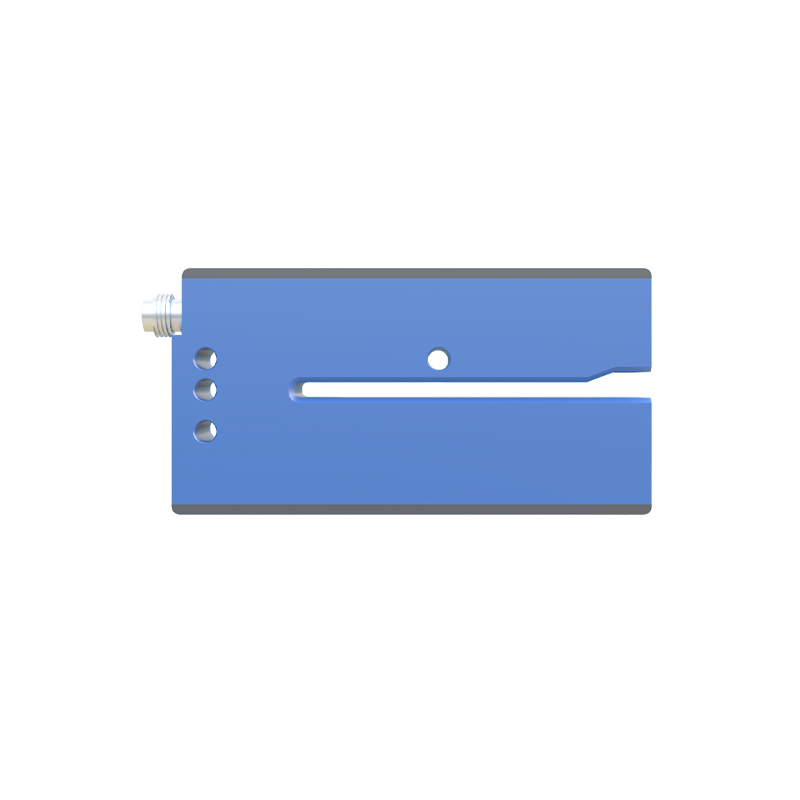
The Core Challenge: Fogging and Contamination
The primary adversaries of optical sensors are particulate contamination and lens fogging. Dust and fine powders can accumulate on the lens surface, scattering or blocking the emitted light beam. Fogging, or condensation, occurs when moisture in the air condenses on the cooler surface of the sensor lens, creating a film that diffuses light. Both phenomena lead to the same result: a weakened or distorted signal. The receiver may not correctly interpret the reflected or transmitted light, causing missed detections (false negatives) or incorrect detections (false positives). In critical applications like material handling, packaging, or safety guarding, such failures can lead to production downtime, product waste, or hazardous situations.
Engineering Solutions for Enhanced Durability
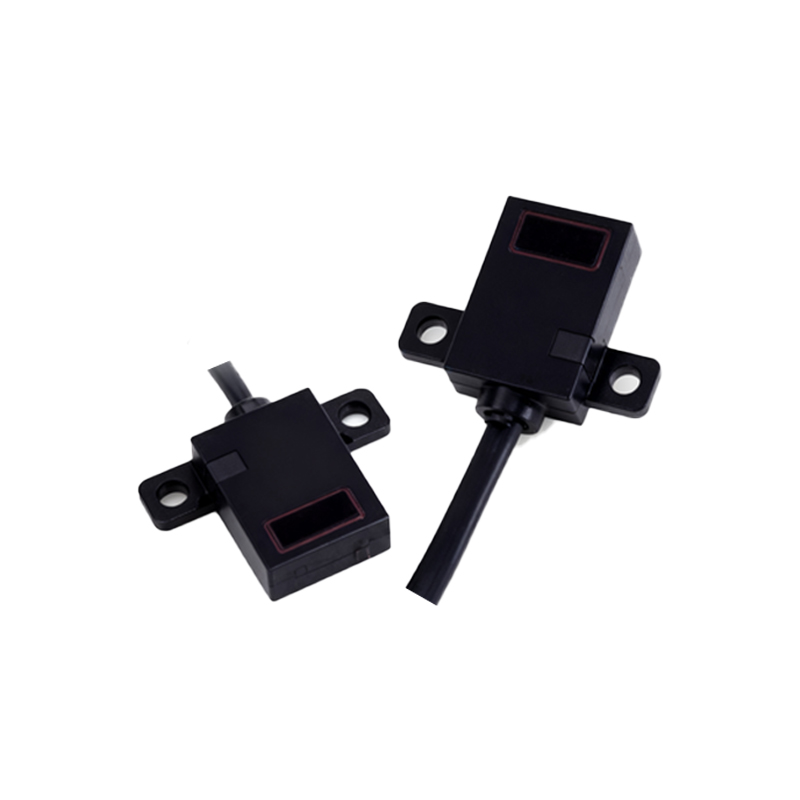
Manufacturers combat these issues through a combination of mechanical design, material science, and electronic intelligence. A key feature is the IP (Ingress Protection) rating. High-grade anti-fog dust sensors typically boast ratings of IP67, IP68, or IP69K, indicating complete protection against dust ingress and protection against prolonged immersion or high-pressure water jets. The housing is often constructed from stainless steel or robust, chemically resistant polymers. Crucially, the optical window is treated with hydrophobic or oleophobic coatings. These nano-coatings cause moisture and certain oils to bead up and roll off the surface, preventing the formation of a continuous film that would disrupt the light path.
Advanced Optical and Electronic Design
Beyond physical sealing, the internal design is optimized for harsh environments. Many models feature a "background suppression" or "diffuse reflective" mode with advanced triangulation algorithms. This allows the sensor to accurately detect an object within a precise range while ignoring more distant background surfaces, which is invaluable in dusty spaces where stray reflections are common. Furthermore, integrated algorithms can monitor the strength of the received signal. If a gradual buildup of dirt is detected, some sensors can automatically increase the output power of the LED (often a high-intensity, visible red, or laser light source) to compensate, providing a self-cleaning effect of sorts and extending maintenance intervals.
Key Application Areas in Industry
The application spectrum for these rugged sensors is vast. In woodworking and metal fabrication, they reliably detect boards or sheets amidst clouds of sawdust or metal shavings. In the food and pharmaceutical industries, they operate in high-humidity washdown areas and detect powdered ingredients without failure. Bulk material handling, such as in cement, grain, or plastic pellet processing, relies on them to monitor levels in silos or control gates on conveyor belts. They are also indispensable in outdoor applications, such as in recycling facilities or construction equipment, where they are exposed to weather, dust, and temperature fluctuations that cause condensation.
Selection Criteria and Installation Best Practices
Selecting the right sensor requires careful analysis of the environment. Engineers must consider the type of contaminant (dry dust, oily mist, flour, etc.), the concentration, the presence of cleaning cycles (high-pressure water, steam), and the required sensing range. While the sensor itself is hardened, proper installation amplifies its longevity. Mounting the sensor at a slight downward angle can help shed water and prevent dust accumulation on the lens. Utilizing protective baffles or air purge systems (providing a constant curtain of clean air) can be effective in extreme conditions. Regular, simple maintenance, such as wiping the lens with a soft cloth during planned downtime, remains a good practice.
The Future of Robust Sensing Technology
The evolution of anti-fog dust photoelectric sensors continues alongside Industry 4.0. Future trends include the integration of IO-Link communication, which allows for detailed remote monitoring of sensor health, including lens contamination levels and internal temperature. This enables predictive maintenance, alerting technicians before performance degrades. Advancements in coating technology and the use of even more robust light sources will further push the boundaries of where these sensors can reliably operate. Their role is not merely to detect but to provide unwavering data integrity in the interconnected, data-driven smart factory.
Conclusion: An Investment in Reliability
Implementing anti-fog dust photoelectric sensors represents a strategic investment in system reliability and total cost of ownership. While their initial cost may be higher than standard models, the prevention of unplanned downtime, reduction in product rejects, and enhancement of operational safety deliver a substantial return on investment. By understanding the environmental challenges and specifying sensors with the appropriate protective features, engineers and plant managers can build more resilient automation systems capable of thriving in the most challenging industrial settings, ensuring that detection remains accurate, day in and day out.