Introduction to Stainless Steel Proximity Sensors
Stainless steel proximity sensors are critical components in modern industrial automation, prized for their exceptional durability and reliability in harsh environments. Unlike standard sensors with plastic or mild steel housings, these devices utilize high-grade stainless steel, typically AISI 304 or 316, for their external casing and often for the sensing face. This construction provides superior resistance to corrosion, chemicals, high-pressure washdowns, and physical impact. They are the sensor of choice for industries such as food and beverage processing, pharmaceutical manufacturing, marine applications, and any setting where hygiene, moisture, or corrosive agents are present. The inherent robustness of stainless steel directly influences the initial procurement cost but leads to significantly lower total cost of ownership due to reduced downtime and maintenance.
Key Factors Influencing Sensor Price
The price of a stainless steel proximity sensor is not a single figure but a spectrum determined by several interconnected factors. First, the type of sensing technology—inductive, capacitive, or ultrasonic—establishes a base cost, with inductive being the most common for metal detection. Second, the specific stainless-steel grade (e.g., 316L vs. 304) affects material cost. Third, performance specifications like sensing range, switching frequency, and output type (PNP/NPN, analog, IO-Link) significantly impact price. A standard 18mm cylindrical inductive sensor with a 5mm range will cost substantially less than a 30mm flat-pack sensor with a 15mm range and IO-Link digital communication. Environmental ratings, particularly the IP (Ingress Protection) and IP69K for high-pressure/high-temperature cleaning, also add to the cost. Finally, approval certifications for specific industries (e.g., FDA compliance, EHEDG, 3-A Sanitary Standards) involve rigorous testing and documentation, which is reflected in the price.
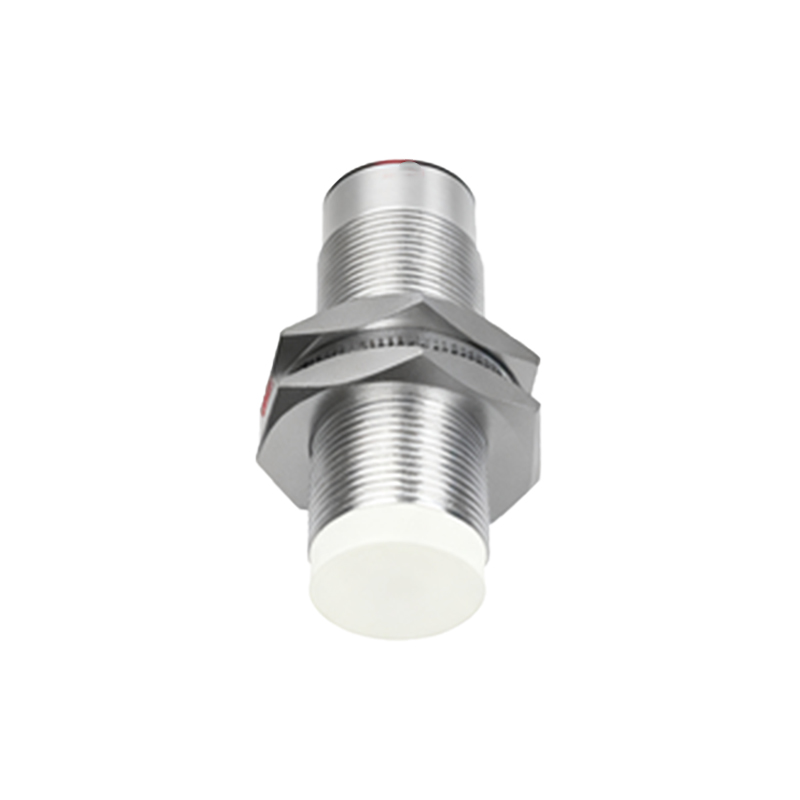
Price Range Analysis by Sensor Type
In the industrial marketplace, prices can vary widely. A basic, shielded (flush-mountable) inductive stainless steel proximity sensor with an M12 connector, IP67 rating, and a standard 4mm sensing range might start in the range of $40 to $70 USD per unit for common brands in moderate quantities. Unshielded (non-flush) versions are slightly less expensive. As specifications increase, so does the price. A capacitive stainless steel sensor for liquid or non-metallic material detection, with similar housing, can range from $60 to $100. Specialized form factors, such as rectangular or ring sensors, command higher prices, often from $150 to $300 or more. Sensors with advanced diagnostics, extended temperature ranges (-25°C to 85°C), or extremely long sensing distances can easily exceed $500 per unit. It is crucial to note that list prices are often subject to volume discounts for OEM or large-scale project purchases.
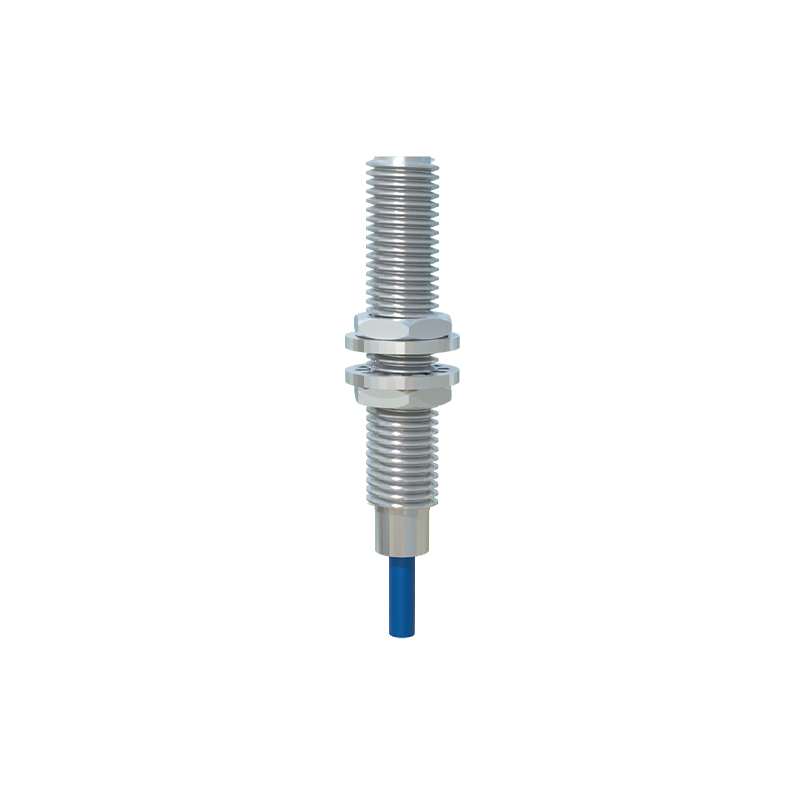
The Cost-Benefit Equation: Initial Investment vs. Lifetime Value
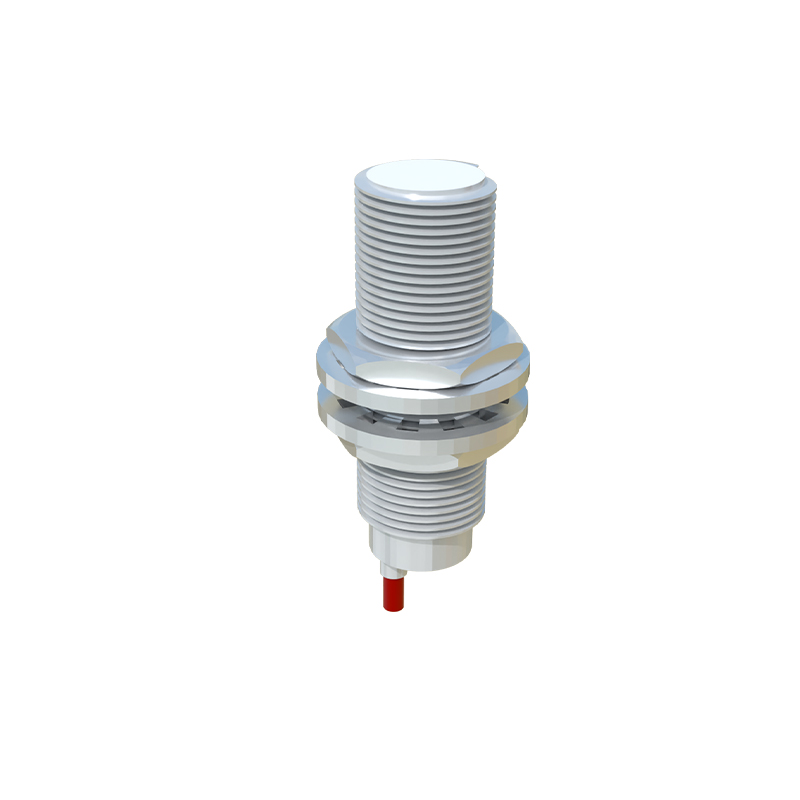
Evaluating a stainless steel proximity sensor solely on its purchase price is a short-sighted approach for engineering and procurement teams. The true value lies in its lifetime operational cost. A cheaper, less robust sensor may fail prematurely in a corrosive or wet environment, leading to costly unplanned downtime, production losses, and frequent replacement. A stainless-steel sensor, while 20-50% more expensive upfront, typically offers a vastly extended service life. It ensures continuous operation in washdown areas, resists damage from caustic cleaners, and maintains reliable performance. This reliability translates into predictable maintenance schedules, higher overall equipment effectiveness (OEE), and a lower total cost of ownership. The investment is justified by risk mitigation and operational consistency.
Procurement Strategies and Supplier Considerations
To optimize costs without compromising quality, a strategic procurement approach is essential. For standard applications, consider established global brands like Sick, Pepperl+Fuchs, Omron, or Balluff, which offer reliability and widespread technical support but at a premium. For cost-sensitive yet demanding applications, reputable second-tier or specialized manufacturers can provide excellent value. Requesting quotes based on annual projected volumes rather than one-off purchases can secure significant discounts. Furthermore, evaluate the total cost of integration, including cabling, mounting accessories, and compatibility with existing control systems. Partnering with a distributor that offers strong technical support and inventory availability can prevent expensive project delays, adding intangible value beyond the unit price.
Conclusion and Final Recommendations
The pricing of stainless steel proximity sensors is a direct reflection of their enhanced materials, engineering, and certifications designed for challenging industrial duty. When specifying these sensors, engineers must first rigorously define the application requirements: target material, required sensing distance, environmental exposures, and necessary approvals. This precise specification prevents over