Introduction to Photoelectric Sensors
In the realm of industrial automation, photoelectric sensors stand as indispensable components for object detection, positioning, and quality control. These devices operate on the principle of emitting a light beam—typically infrared, visible red, or laser—and detecting changes in the received light signal caused by the presence, absence, or characteristics of an object. Festo, a global leader in automation technology, has engineered a comprehensive portfolio of photoelectric sensors renowned for their precision, durability, and adaptability in harsh industrial environments. Their sensors are pivotal in creating smarter, more responsive, and efficient production lines across diverse sectors such as packaging, automotive, and electronics manufacturing.
Core Operating Principles and Technologies
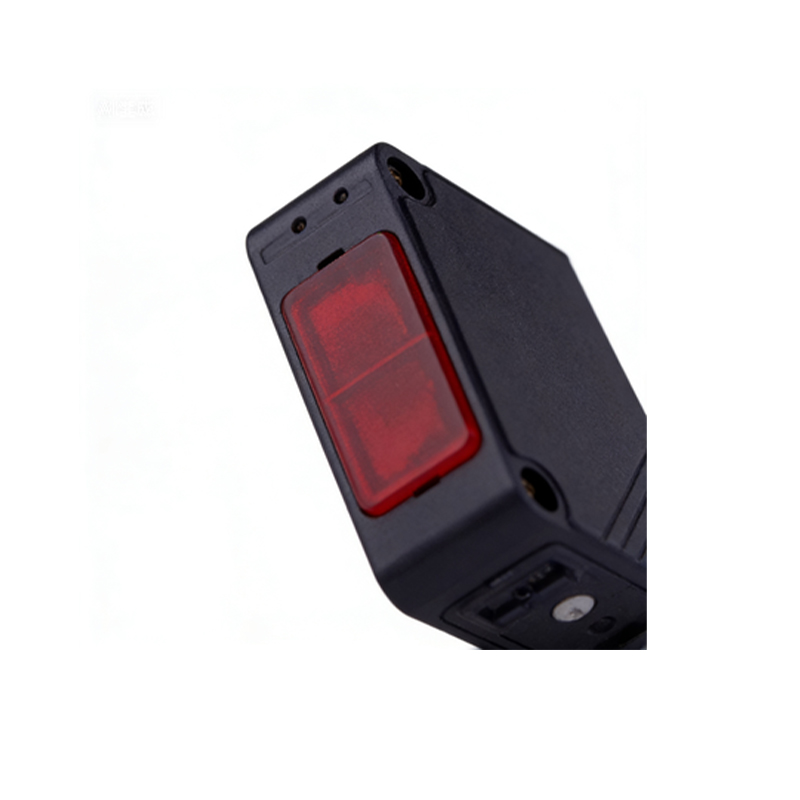
Festo photoelectric sensors are available in several key operating modes, each suited for specific application challenges. The through-beam sensor, consisting of separate transmitter and receiver units, offers the longest sensing range and highest reliability, as it detects an object that breaks the light beam between the two components. Retro-reflective sensors use a single unit that emits light and detects its reflection from a dedicated reflector, ideal for detecting objects over moderate distances. Diffuse reflective sensors, or proximity sensors, detect light reflected directly from the target object itself, making them perfect for close-range applications where installing a reflector is impractical. Advanced models incorporate background suppression technology, which allows them to ignore distant backgrounds and detect only objects within a precise, adjustable range, crucial for handling varied material colors and surfaces.
Key Features and Design Advantages
The design philosophy behind Festo sensors emphasizes robustness and user-centric functionality. Housings are typically constructed from high-grade materials like stainless steel or resilient plastics, offering high ingress protection ratings (e.g., IP67, IP69K) for resistance against dust, water jets, and chemical exposure. Many models feature integrated IO-Link communication, transforming them from simple switching devices into intelligent data points that can transmit process parameters, diagnostic information, and enable remote configuration. This facilitates predictive maintenance and seamless integration into Industry 4.0 frameworks. Furthermore, Festo provides sensors with precise optical alignment aids, teach-in functionality for easy setup, and a variety of form factors (e.g., cylindrical, rectangular) to fit space-constrained installations.
Application Scenarios in Modern Industry
The versatility of Festo photoelectric sensors is demonstrated in countless automation scenarios. In packaging machinery, they reliably detect transparent films, monitor fill levels in bottles, and control the precise cutting of materials. On automotive assembly lines, they ensure components are present and correctly positioned before robotic welding or assembly operations. In electronic component handling, miniature sensors perform delicate tasks like verifying the presence of tiny chips on circuit boards. Logistics and warehousing systems utilize them for parcel dimensioning, conveyor belt control, and automated guided vehicle (AGV) navigation. Their ability to detect objects irrespective of material—metal, plastic, glass, or liquid—makes them a universal solution.
Selection Criteria and Integration Tips
Selecting the optimal Festo photoelectric sensor requires a systematic analysis of the application parameters. Engineers must first define the sensing distance, object size, and material properties (color, transparency, surface finish). Environmental conditions such as ambient light, temperature extremes, and potential contaminants dictate the required housing and protection class. The required output type (PNP/NPN, analog, IO-Link) and electrical connection must match the control system. For integration, ensuring stable mounting, precise alignment, and protection from mechanical vibration is critical. Utilizing mounting accessories from Festo and following EMC guidelines ensures signal integrity and long-term reliability. Regular cleaning of the lens and periodic functional checks are recommended maintenance practices.
The Future with Smart Sensor Solutions
Festo is at the forefront of integrating advanced intelligence into photoelectric sensing. The convergence of sensor data with cloud analytics and edge computing is creating new possibilities. Future trends point towards sensors with enhanced diagnostic capabilities that can report their own health status, predict failures, and even adapt their sensing parameters autonomously based on changing production conditions. Enhanced connectivity will further simplify network integration and data exchange. As factories strive for greater flexibility and zero-defect production, the role of intelligent, connected Festo photoelectric sensors will only become more central, driving efficiency and enabling more sophisticated automation strategies.