Introduction to Photoelectric Sensors
Photoelectric sensors are indispensable components in modern industrial automation, playing a critical role in object detection, positioning, and quality control. Among the various types available, the DSC (Diffuse Scan with Background Suppression) photoelectric sensor represents a significant advancement. This technology combines the convenience of diffuse sensing with the precision of background suppression, allowing it to reliably detect objects while ignoring the background at a set distance. Unlike through-beam or retro-reflective sensors, DSC sensors require only a single unit, simplifying installation and alignment. Their ability to ignore variations in color, material, and surface finish makes them exceptionally versatile for complex applications where consistent performance is paramount.
Core Operating Principle of DSC Technology
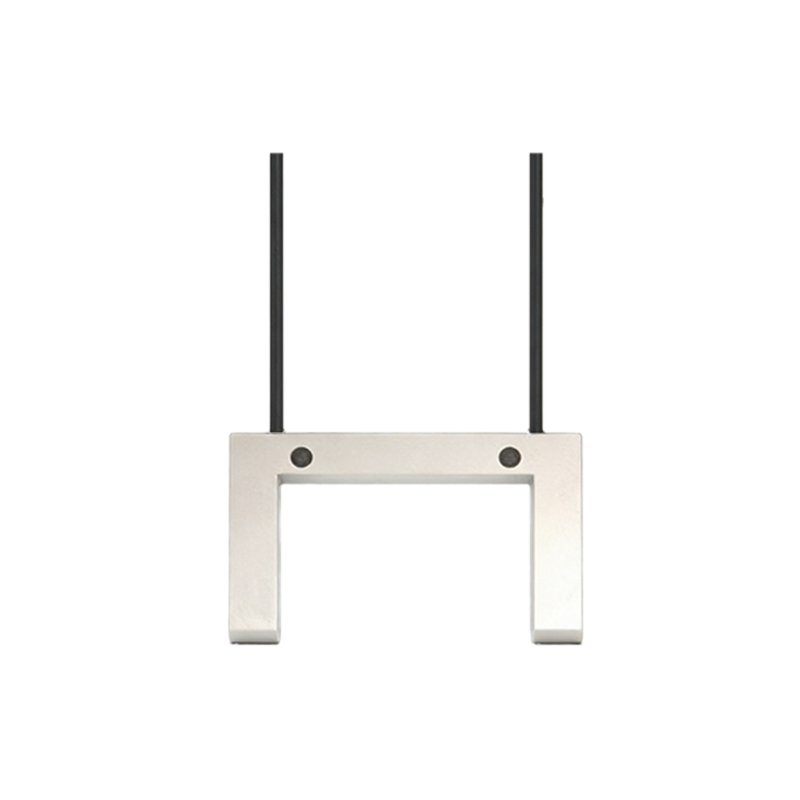
The fundamental operation of a DSC photoelectric sensor hinges on triangulation. The sensor emits a focused beam of light, typically from an LED or laser diode. When this beam strikes a target object, the light is diffusely reflected in many directions. A receiving lens within the sensor focuses this reflected light onto a position-sensitive element, such as a CCD array or a dual-segment photodiode. The key innovation lies in how the sensor interprets this signal. Instead of simply measuring the intensity of the reflected light, it calculates the angle of the reflected beam's return. By setting a specific threshold angle, the sensor can distinguish between light reflected from an object within the defined sensing window and light reflected from the background beyond it. This allows for precise detection independent of the target's reflectivity.
Key Advantages Over Standard Diffuse Sensors
Standard diffuse sensors measure the intensity of reflected light, making them highly susceptible to errors caused by changes in the target's color or surface texture. A dark object may reflect too little light to be detected, while a highly reflective background might cause a false trigger. The DSC sensor overcomes these limitations. Its background suppression feature ensures that only objects within the programmed sensing range are detected, effectively "ignoring" anything beyond that point. This results in remarkable stability and reliability. Furthermore, many DSC sensors offer teach-in functionality, allowing users to easily program the exact sensing distance by simply presenting the target at the desired position, which streamlines setup and reduces commissioning time.
Primary Industrial Applications
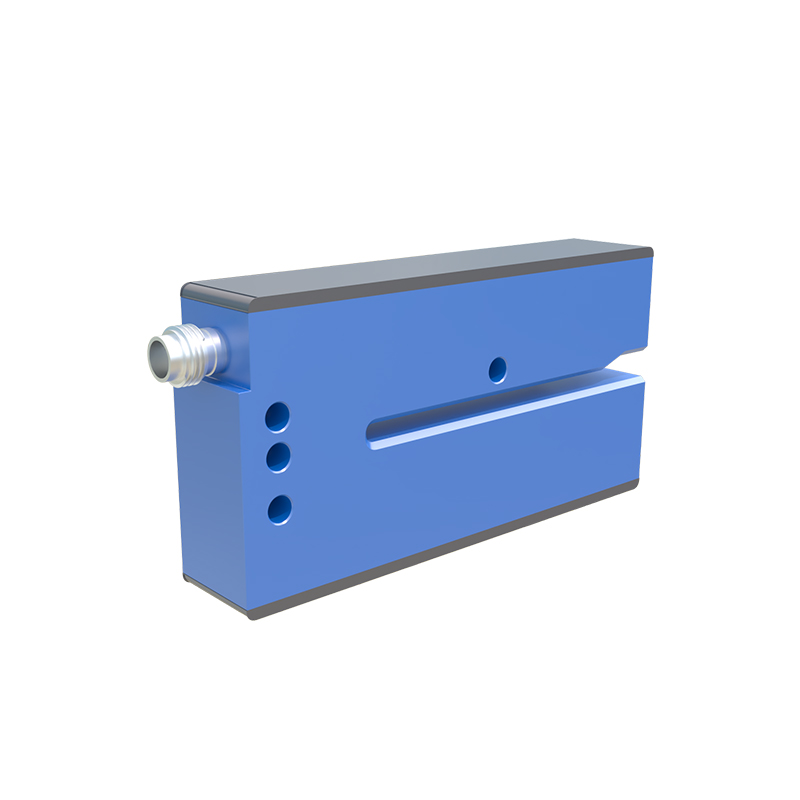
DSC photoelectric sensors find extensive use across numerous industries due to their robustness and precision. In packaging and material handling, they are ideal for detecting transparent films, glass bottles, or varying package sizes on high-speed conveyors, ensuring proper counting and positioning. Within the automotive manufacturing sector, they are employed for precise part presence verification, robot guidance, and weld nut detection, where reliability is non-negotiable. The electronics industry utilizes them for PCB board insertion checks and component verification. Additionally, their ability to detect small objects and ignore complex backgrounds makes them perfect for assembly line automation and logistics systems where package dimensions are inconsistent.
Critical Selection Criteria
Choosing the right DSC sensor requires careful consideration of several technical parameters. The sensing range is paramount; ensure the sensor's specified range accommodates the required working distance. Response time must be fast enough for the application's cycle speed. The type of light source is another factor: red LED light is common and cost-effective, while laser models offer a more precise, visible spot for detecting very small objects. Environmental robustness, indicated by IP (Ingress Protection) ratings, is crucial for applications exposed to dust, moisture, or washdowns. Output type (PNP/NPN, analog, IO-Link) must be compatible with the control system. Finally, consider housing style (cylindrical or rectangular) and mounting options to fit the physical constraints of the installation.
Installation and Commissioning Best Practices
Proper installation is key to achieving optimal performance from a DSC sensor. First, ensure the sensor is mounted securely to prevent vibration-induced misalignment. The sensing beam should be perpendicular to the target surface to maximize signal return. Avoid mounting the sensor facing highly reflective backgrounds or direct sunlight, which can cause interference. During commissioning, use the teach-in method to set the precise sensing distance under actual operating conditions. It is also advisable to perform detection tests with the actual target objects, including edge-case samples (e.g., darkest or shiniest variants), to verify consistent operation. Regular maintenance, including lens cleaning, helps maintain long-term reliability and detection accuracy.
Future Trends and Developments
The evolution of DSC photoelectric sensors is closely tied to broader trends in Industry 4.0 and smart manufacturing. Future iterations are expected to feature enhanced connectivity through industrial Ethernet and IO-Link, providing not just a switching signal but rich diagnostic data like signal strength, temperature, and operating hours for predictive maintenance. Miniaturization will continue, enabling integration into tighter spaces. Advances in optics and processing algorithms will improve performance in detecting challenging low-contrast or ultra-thin targets. Furthermore, the integration of multi-functional capabilities, such as distance measurement via analog output alongside standard switching, will increase their utility, solidifying the DSC sensor's role as a cornerstone of advanced automation systems.