Introduction to Proximity Sensing Technology
Proximity sensors are pivotal components in modern industrial automation and consumer electronics, designed to detect the presence or absence of nearby objects without physical contact. These devices operate on various principles, including inductive, capacitive, ultrasonic, and photoelectric sensing. The core function is to convert information about object detection into electrical signals, enabling precise control and monitoring in complex systems. Their non-contact nature ensures high reliability, minimal wear and tear, and the ability to function in harsh environments where traditional mechanical switches would fail. From assembly lines and robotic arms to smartphones and automotive safety systems, proximity sensors form an invisible yet critical layer of interaction between machines and their surroundings.
Current Market Dynamics and Key Drivers
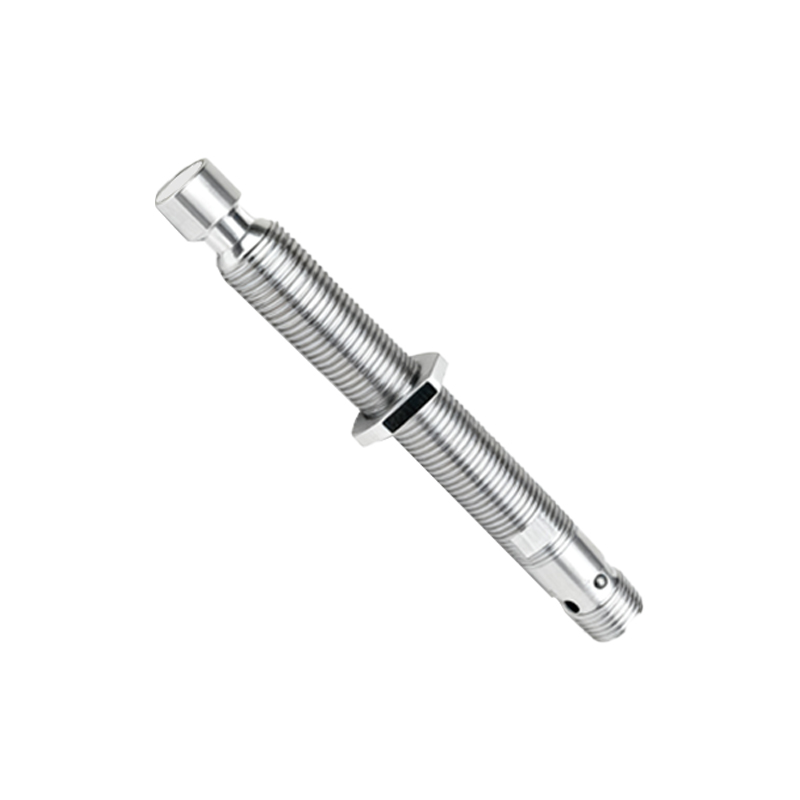
The global proximity sensor market is experiencing robust growth, fueled by the accelerating adoption of Industry 4.0 and the Internet of Things (IoT). A primary driver is the relentless push for factory automation, where sensors enhance efficiency, safety, and quality control. The automotive sector represents another major growth avenue, with sensors integral to advanced driver-assistance systems (ADAS), parking assistance, and occupant detection. Furthermore, the proliferation of smart devices and appliances has created substantial demand for miniaturized, low-power sensors. Emerging economies are investing heavily in industrial infrastructure, while developed regions focus on upgrading existing facilities with smart sensor networks. However, the market also faces challenges such as price sensitivity in cost-driven industries and the technical complexity of integrating sensors in highly specialized applications.
Dominant Technology Segments and Innovations
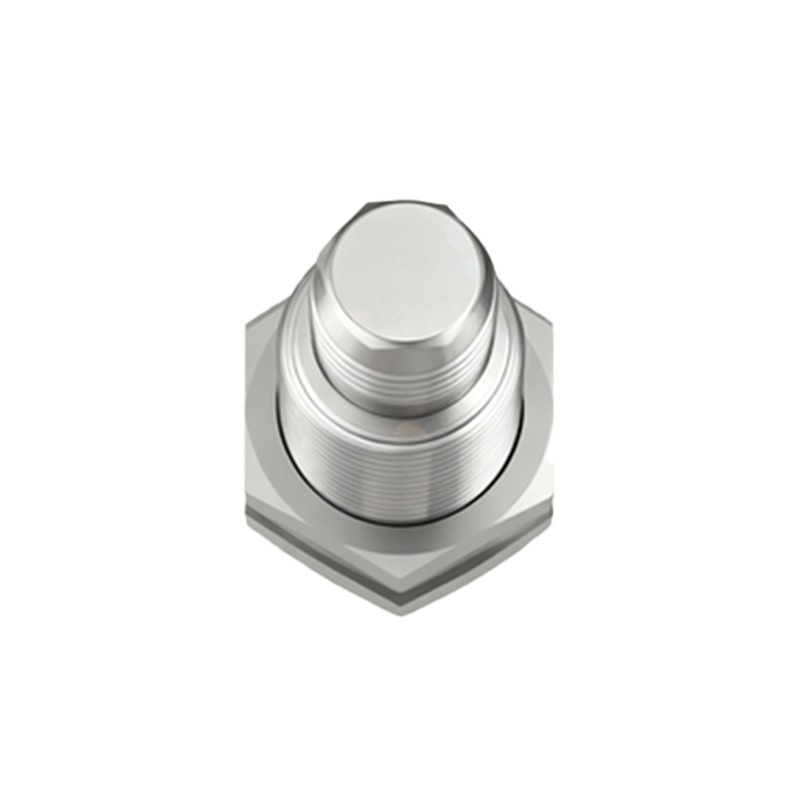
Inductive proximity sensors remain the workhorse for detecting metallic objects in industrial settings, prized for their durability and resistance to environmental contaminants. Capacitive sensors, capable of detecting both metallic and non-metallic materials, are gaining traction in packaging, liquid level sensing, and touch interfaces. Photoelectric sensors offer the longest detection ranges and are versatile for diverse object shapes and surfaces. A significant trend is the rise of ultrasonic sensors, particularly in challenging conditions involving dust, fog, or varying colors. Innovation is focused on enhancing performance parameters: higher switching frequencies, improved noise immunity, extended sensing ranges, and reduced package sizes. The integration of intelligence, such as IO-Link communication, allows sensors to transmit diagnostic data and configuration parameters, enabling predictive maintenance and easier system integration.
Application Landscape Across Major Industries
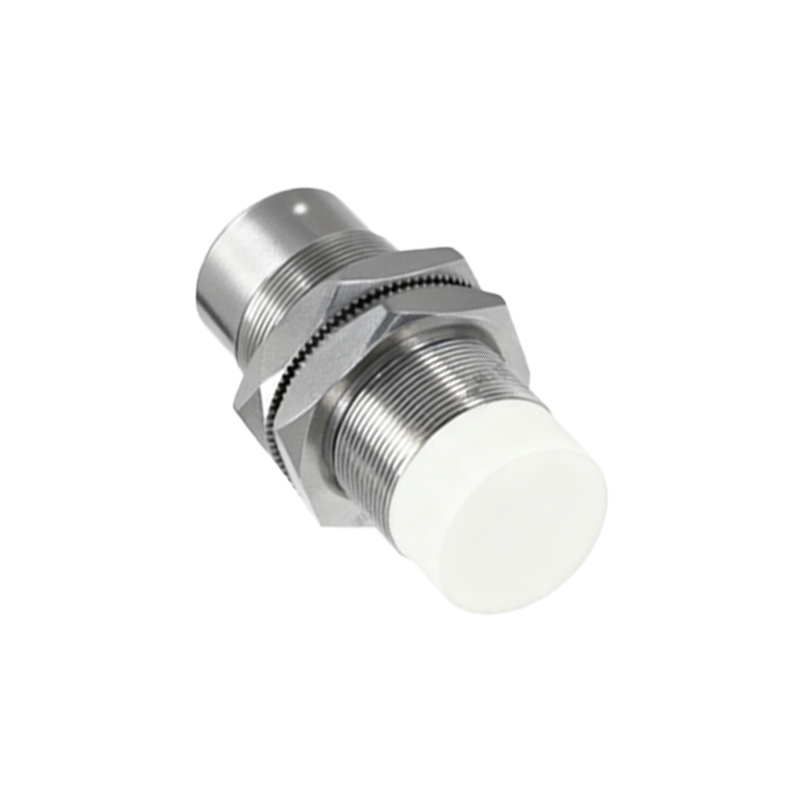
The application spectrum for proximity sensors is vast and expanding. In manufacturing, they are ubiquitous for position verification, part counting, and end-of-travel detection on machinery. The automotive industry employs them extensively for gear position sensing, brake pedal position, and safety systems like automatic emergency braking. Consumer electronics utilize miniature infrared (IR) proximity sensors for display management in smartphones and tablets. In the food and beverage sector, capacitive sensors monitor fill levels in non-metallic containers. Furthermore, they are critical in aerospace for landing gear status and in healthcare for sensitive equipment positioning. Each industry imposes unique requirements regarding form factor, material compatibility, hygiene standards (e.g., IP69K ratings), and operational reliability, pushing continuous product diversification.
Regional Market Analysis and Competitive Landscape
Geographically, the Asia-Pacific region dominates the proximity sensor market, driven by massive manufacturing hubs in China, Japan, and South Korea, alongside rapid industrialization in Southeast Asia. North America and Europe follow, with strong demand from advanced automotive and aerospace sectors. The competitive landscape is characterized by the presence of established multinational conglomerates and specialized sensor manufacturers. Key players compete on technological innovation, product portfolio breadth, global distribution networks, and application-specific solutions. Strategic activities include mergers and acquisitions to consolidate market position, heavy investment in R&D for next-generation products, and forging partnerships with automation solution providers to offer integrated systems.
Future Outlook and Emerging Opportunities
The future of the proximity sensor market is intrinsically linked to megatrends like smart manufacturing, autonomous vehicles, and smart cities. The development of sensors with embedded artificial intelligence for edge computing is a frontier area, allowing for local decision-making and anomaly detection. The demand for sensors capable of operating in extreme conditions—such as ultra-high temperatures in metal processing or cryogenic environments—will spur material and design innovations. Furthermore, the push for energy efficiency will drive the adoption of sensors with ultra-low power consumption for battery-operated IoT devices. As systems become more interconnected, cybersecurity features for sensor networks will also become a critical consideration. The market is poised for sustained growth, evolving from simple detection devices to intelligent nodes within a broader data ecosystem.