Introduction to Proximity Sensing Technology
Proximity metal sensors, often referred to as inductive proximity sensors, are fundamental components in modern industrial automation. These non-contact electronic devices detect the presence or absence of metallic objects within their sensing range without any physical contact. Operating on the principle of electromagnetic induction, they generate an oscillating electromagnetic field from a coil located in the sensing face. When a metallic target enters this field, eddy currents are induced on the surface of the metal. This causes a change in the oscillation amplitude or frequency within the sensor's internal circuit. The sensor's electronics detect this change and subsequently trigger a solid-state output switch, signaling the object's presence. This robust and reliable method of detection makes them indispensable in harsh industrial environments where dust, oil, and vibration are prevalent.
Core Operating Principles and Design
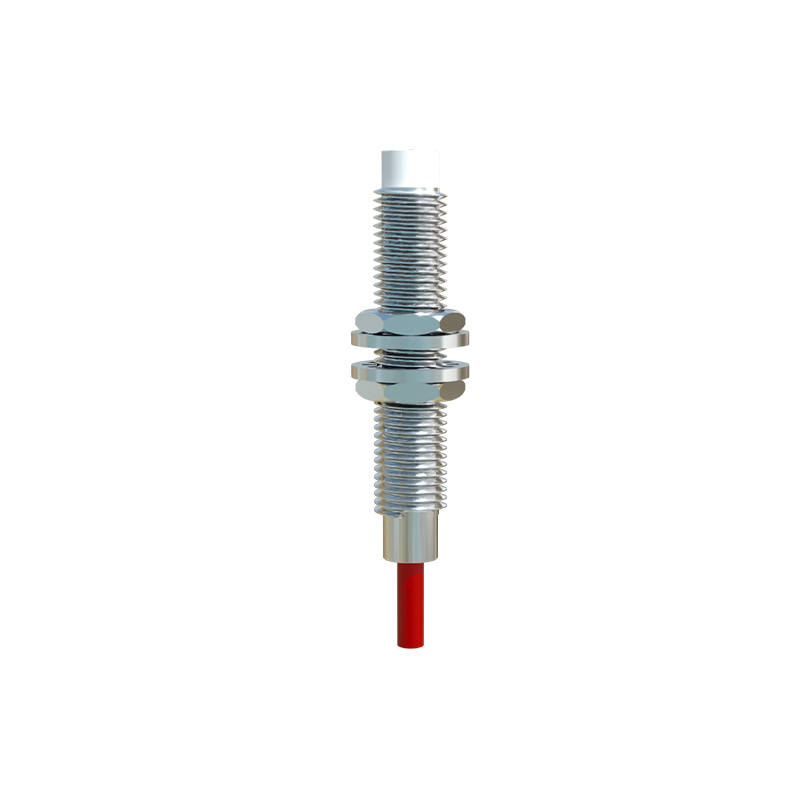
The heart of a standard inductive proximity sensor is a ferrite core with a coil, an oscillator, a signal evaluator, and an output switching circuit. The oscillator generates a high-frequency electromagnetic field that radiates from the active face of the sensor. The design is such that this field is relatively focused, defining the sensor's nominal sensing distance, or Sn. Different metals affect the sensor's performance variably; for instance, steel typically provides the rated sensing distance, while metals like aluminum, brass, or copper may reduce it, a factor known as the reduction factor. Advanced sensors incorporate shielding (encapsulated coil design) to allow flush mounting in metal, while unshielded types require a clearance zone around them. The output is typically a transistor (PNP or NPN sourcing/sinking) or, less commonly in AC versions, a relay.
Key Functional Characteristics and Specifications
Several critical parameters define a sensor's functionality. The sensing range is paramount, usually specified in millimeters, indicating the maximum distance at which a standard target can be reliably detected. Repeatability, a measure of consistency in detection at the same point, is crucial for precision applications. Switching frequency denotes how many detection cycles per second the sensor can handle, determining its suitability for high-speed operations. Environmental ratings, particularly the Ingress Protection (IP) code (e.g., IP67), indicate resistance to dust and water, ensuring longevity. Additionally, factors like temperature range, short-circuit and overload protection, and immunity to electrical interference (EMC) are vital for stable operation in complex electrical panels and demanding conditions.
Primary Applications in Industrial Settings
The applications for proximity metal sensors are vast and varied across manufacturing and processing industries. A common use is in position sensing on automated machinery, such as verifying the presence of a metal part on a conveyor, detecting the end-of-travel of a cylinder, or confirming the closure of a metal door or guard. They are integral to counting systems, where they tally metal parts passing by. In metal fabrication, they are used for precise edge detection in cutting or winding processes. Their non-contact nature makes them perfect for applications involving high-speed rotation, like detecting gear teeth or monitoring shaft speed. Furthermore, they serve as a fundamental safety interlock by confirming the position of machine guards or access panels.
Advantages Over Other Sensing Methods
Compared to mechanical limit switches or photoelectric sensors, inductive proximity sensors offer distinct advantages. Their solid-state design with no moving parts leads to exceptionally long operational life and high reliability, withstanding millions of switching cycles. Since they do not require physical contact, there is no mechanical wear on either the sensor or the target, and they are unaffected by surface conditions like dirt or moisture that could obstruct a photoelectric beam. They are highly resistant to environmental contaminants like oil, coolants, and dust. Their response time is extremely fast, enabling use in very high-speed production lines. The output signal is clean and bounce-free, providing a precise digital signal to Programmable Logic Controllers (PLCs) or other control systems.
Selection Criteria and Installation Considerations
Selecting the right sensor requires careful analysis of the application. Engineers must consider the target material and size, the required sensing distance (often choosing 70-80% of the nominal range for reliability), the output type compatible with the control system (PNP vs. NPN, 2-wire vs. 3-wire), and the required electrical specifications (voltage, current). The housing material (e.g., stainless steel, nickel-plated brass, or PBT plastic) must suit the chemical and physical environment. Proper installation is equally critical; ensuring correct mounting, adequate clearance for unshielded sensors, and protection from physical damage is essential. Wiring must follow manufacturer guidelines, with attention to cable routing away from high-power lines to prevent electromagnetic interference.