Introduction to Proximity Inductive Sensors
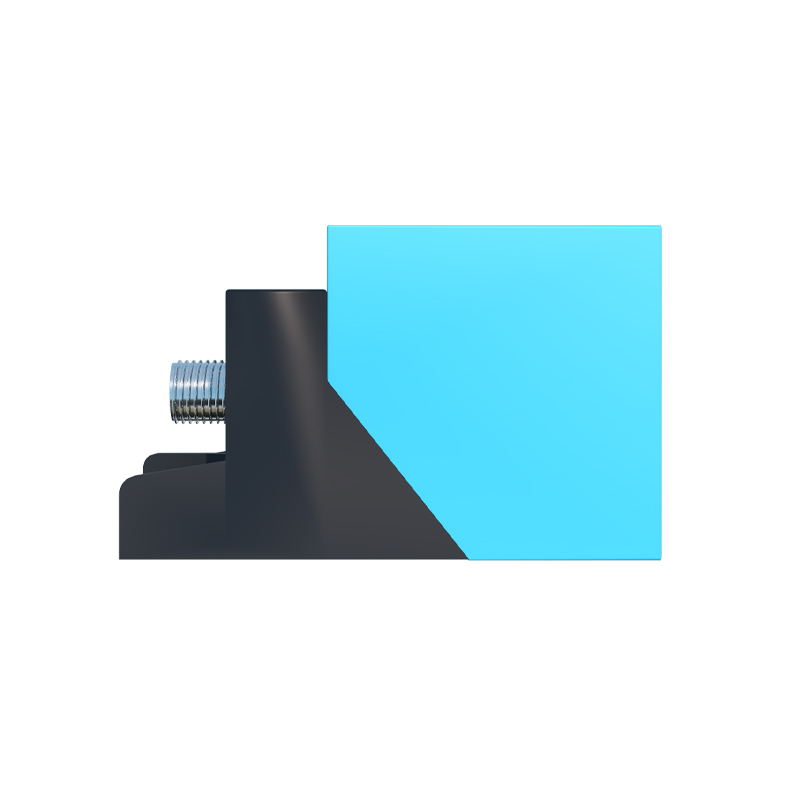
Proximity inductive sensors are non-contact electronic devices widely used in industrial automation for detecting metallic objects. These sensors operate based on the principle of electromagnetic induction, generating an oscillating electromagnetic field from a coil. When a metallic target enters this field, eddy currents are induced in the target, causing a change in the sensor's oscillation amplitude. This alteration is detected and converted into an electrical signal, triggering an output switch. The core components typically include an oscillator, a demodulator, and an output circuit, ensuring reliable performance in harsh environments. Their ability to function without physical contact minimizes wear and tear, making them ideal for high-cycle applications.
Key Technical Characteristics
One of the primary features of proximity inductive sensors is their high precision and repeatability. They offer detection ranges from a few millimeters to several centimeters, depending on the sensor size and target material. Ferrous metals, such as iron and steel, are detected at longer ranges compared to non-ferrous metals like aluminum or copper, due to differences in magnetic permeability. These sensors exhibit fast response times, often in the microsecond range, enabling use in high-speed production lines. Additionally, they are characterized by robust construction, with many models featuring IP67 or higher ingress protection ratings, allowing operation in dusty, wet, or oily conditions. Temperature stability is another critical aspect, with operating ranges typically spanning from -25°C to 70°C, ensuring consistent functionality across diverse industrial settings.
Advantages Over Other Sensor Types

Compared to capacitive or photoelectric sensors, proximity inductive sensors provide distinct benefits in metal detection scenarios. They are immune to environmental factors like dust, dirt, and moisture, which can interfere with optical sensors. Unlike capacitive sensors, they are not affected by non-metallic materials, reducing false triggers. Their solid-state design with no moving parts enhances durability and longevity, leading to lower maintenance costs. Furthermore, these sensors offer excellent resistance to electrical noise and vibration, common in industrial machinery. The output signals, which can be analog or digital (e.g., PNP or NPN configurations), integrate seamlessly with PLCs and control systems, simplifying automation processes.
Common Applications in Industry
Proximity inductive sensors are integral to various industrial applications. In manufacturing, they are used for position sensing of machine parts, such as detecting the presence of metal components on conveyor belts or verifying the closure of valves. They serve as limit switches in robotics, ensuring precise movement and safety. In automotive assembly lines, these sensors monitor the positioning of engine parts or count metallic objects. Other uses include material handling systems for detecting metal pallets, and in packaging machinery to confirm cap placement on metal containers. Their reliability also makes them suitable for safety-critical functions, like monitoring guard doors or emergency stop mechanisms.
Selection and Installation Considerations
Choosing the right proximity inductive sensor involves several factors. The sensing distance must be selected based on the target material and required clearance, often with a derating factor for non-ferrous metals. Mounting configuration—flush, non-flush, or embedded—affects the detection range and should align with the application's spatial constraints. Output type (e.g., normally open or closed) and voltage compatibility (commonly 10-30V DC) must match the control system. Environmental conditions, such as exposure to chemicals or extreme temperatures, may necessitate specialized housings. Proper installation is crucial: sensors should be positioned to avoid interference from adjacent metal objects, and wiring should follow manufacturer guidelines to prevent electrical issues. Regular testing and calibration help maintain optimal performance over time.
Future Trends and Innovations
Advancements in proximity inductive sensor technology continue to enhance their capabilities. Miniaturization allows for smaller sensors with improved sensitivity, enabling use in compact devices. Integration with IoT and Industry 4.0 systems is becoming more common, with sensors featuring digital interfaces like IO-Link for real-time data monitoring and diagnostics. Smart sensors can self-diagnose faults or predict maintenance needs, reducing downtime. Developments in materials and circuitry are extending detection ranges and improving energy efficiency. As automation evolves, these sensors are expected to play a key role in smart factories, offering greater precision and connectivity for optimized industrial processes.