Understanding Photoelectric Sensor Fundamentals
Photoelectric sensors are ubiquitous in industrial automation, relying on light beams to detect the presence, absence, or distance of objects. They operate primarily in three modes: through-beam (separate emitter and receiver), retro-reflective (a single unit with a reflector), and diffuse (or proximity, where the target reflects light back to the receiver). The core principle involves an emitter, typically an LED or laser diode, projecting a light beam. A phototransistor or similar receiver then detects changes in this received light intensity. This seemingly simple operation, however, can be critically compromised by an abundant, uncontrolled light source: the sun.
The Nature of Solar Interference
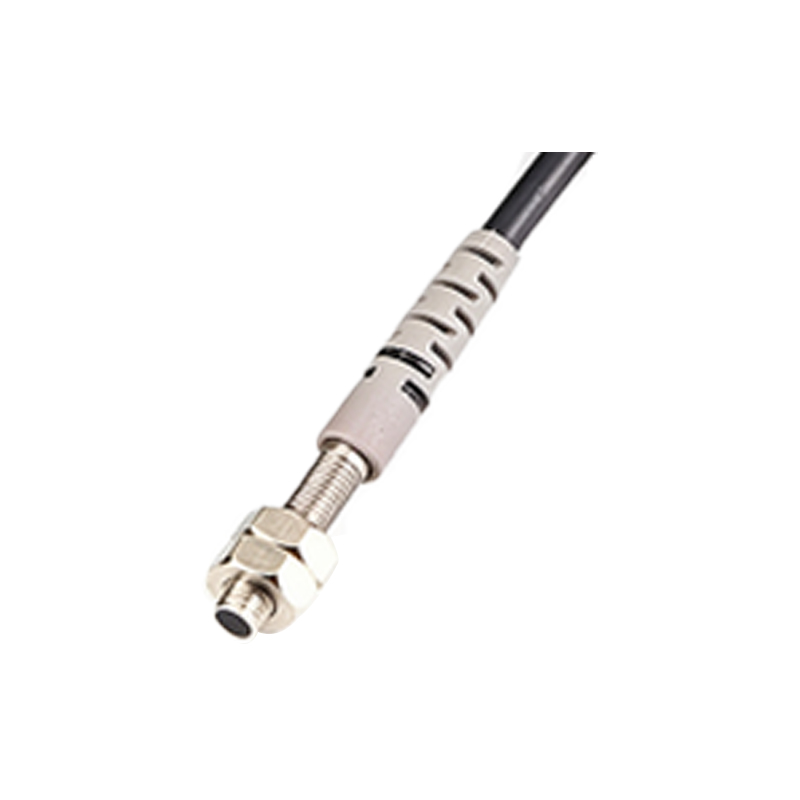
Sunlight presents a multifaceted challenge to photoelectric sensors. Its broad spectrum contains intense infrared (IR) and visible wavelengths, which often overlap with the emission spectra of common sensor LEDs. For instance, many industrial sensors use near-IR LEDs (around 880nm) for their invisibility and power, a range where solar irradiance is still significant. Direct sunlight flooding the receiver can saturate its photodetector, effectively blinding it to the modulated signal from its own emitter. Furthermore, sunlight is not steady; it flickers due to atmospheric conditions and can be reflected or scattered by shiny surfaces, dust, or even the target itself, creating unpredictable noise. This interference can lead to false triggers (detecting an object that isn't there) or, more dangerously, failure to detect (missing an object that is present).
Primary Consequences in Industrial Settings
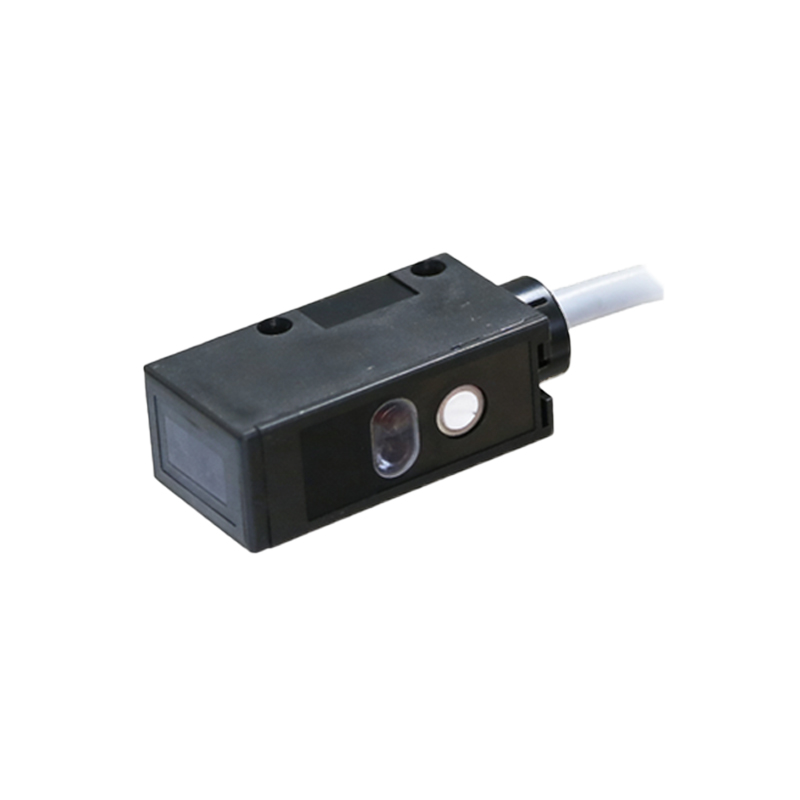
The impact of solar interference translates directly into operational failures and safety risks. In material handling, a sensor blinded by sunlight may fail to count packages on a conveyor, causing jams or inventory errors. In automated guided vehicles (AGVs), a safety light curtain compromised by glare could allow a collision. In packaging machinery, incorrect detection can lead to improper sealing or filling. Beyond false readings, prolonged exposure to intense focused sunlight, perhaps through a window acting as a lens, can cause physical damage to the sensor's optical components or lead to overheating, reducing the device's lifespan and reliability. These failures result in costly downtime, product waste, and potential hazards to personnel and equipment.
Engineering Solutions and Sensor Selection
Fortunately, several engineering strategies and specialized sensor designs exist to combat solar interference. The first line of defense is physical mitigation: installing sunshades, hoods, or tubes to shield the sensor's lens from direct rays. Strategic placement, such as orienting sensors away from east/west windows or using barriers, is a simple yet effective step. From a design perspective, selecting sensors with modulated light signals is paramount. These sensors emit a pulsed, high-frequency beam (often in the kHz range). The receiver's circuitry is tuned to recognize only this specific modulation frequency, effectively filtering out constant or differently modulated ambient light like sunlight.
Advanced Technological Countermeasures
For highly challenging environments, more advanced technologies are employed. Polarized filters are used in many retro-reflective sensors; the emitter projects polarized light, and the receiver has a filter that only accepts light with the matching polarization. Sunlight, being unpolarized, is largely rejected. Sensors with laser diodes offer a more coherent, narrow beam that is less susceptible to dispersion and easier to distinguish from ambient noise. Some high-end sensors feature automatic background suppression or advanced algorithms that analyze the received signal's characteristics to differentiate between the target reflection and ambient light artifacts. In extreme cases, using a different sensing technology, such as ultrasonic or inductive sensors, for that specific application point may be the most robust solution.
Best Practices for Installation and Maintenance
Proper installation is critical to minimizing solar interference. Conduct a site survey at different times of the day and under varying weather conditions to identify potential glare paths. Ensure all protective hoods and sunshades are correctly fitted and secure. Regular maintenance schedules should include cleaning the sensor lenses of dust and grime, which can scatter sunlight and reduce signal strength. Periodically verify sensor alignment, as thermal expansion from sunlight heating can subtly shift mounts. Implementing a routine functional check, especially for safety-critical sensors, during peak sunlight hours can help catch issues before they cause a failure. A proactive approach combining the right technology with diligent practices ensures optimal sensor performance year-round.