Introduction to ST130 Series Photoelectric Sensors
The ST130 series represents a robust line of through-beam photoelectric sensors designed for demanding industrial environments. Known for their reliability and long sensing range, these sensors are commonly employed in material handling, packaging, and automated assembly lines. Both the ST130A and ST130B models share this core pedigree, offering the fundamental principle of operation where a separate emitter and receiver unit create a beam of light. An object is detected when it interrupts this beam. While they appear similar at first glance, critical distinctions in their specifications and performance characteristics make each model suitable for different application scenarios. Understanding these differences is crucial for engineers and system integrators to ensure optimal performance, reliability, and cost-effectiveness in their automation designs.
Core Operating Principle and Shared Features
Before delving into the differences, it's important to acknowledge their common ground. Both the ST130A and ST130B are through-beam (also called opposed) sensors. This design offers the highest possible sensing distance and is generally immune to the color, reflectivity, or surface finish of the target object. They both typically operate with a modulated infrared LED light source to minimize interference from ambient light. Shared features often include a rugged, cylindrical metal housing offering a high degree of ingress protection (commonly IP67), making them resistant to dust and water jets. They are designed for easy mounting and alignment, and both versions interface with standard industrial control systems via PNP or NPN output configurations. This shared DNA ensures that both sensors provide stable and dependable object detection in challenging conditions.
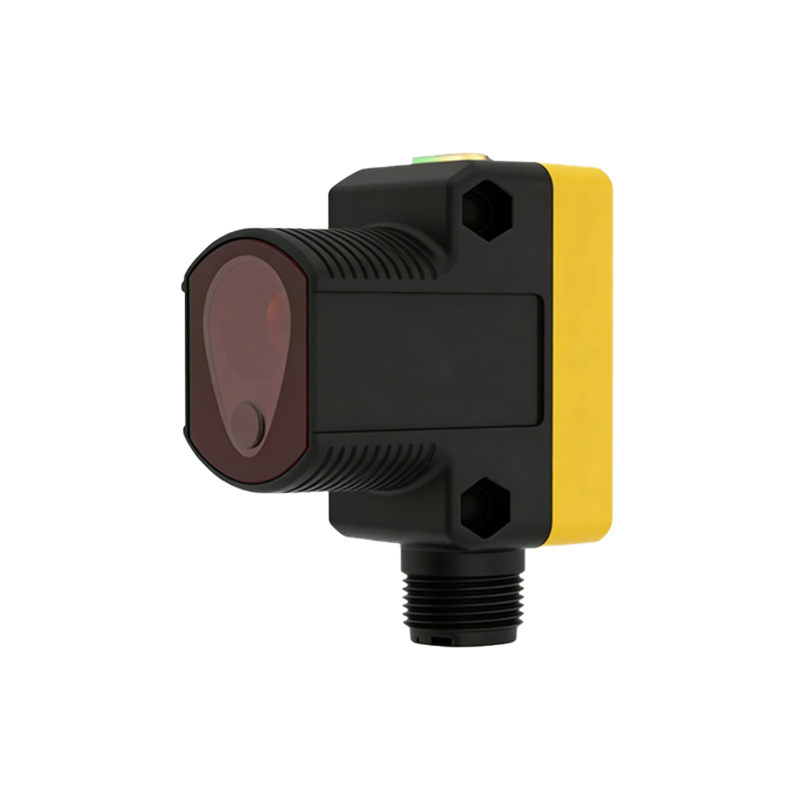
Primary Difference: Sensing Distance and Range
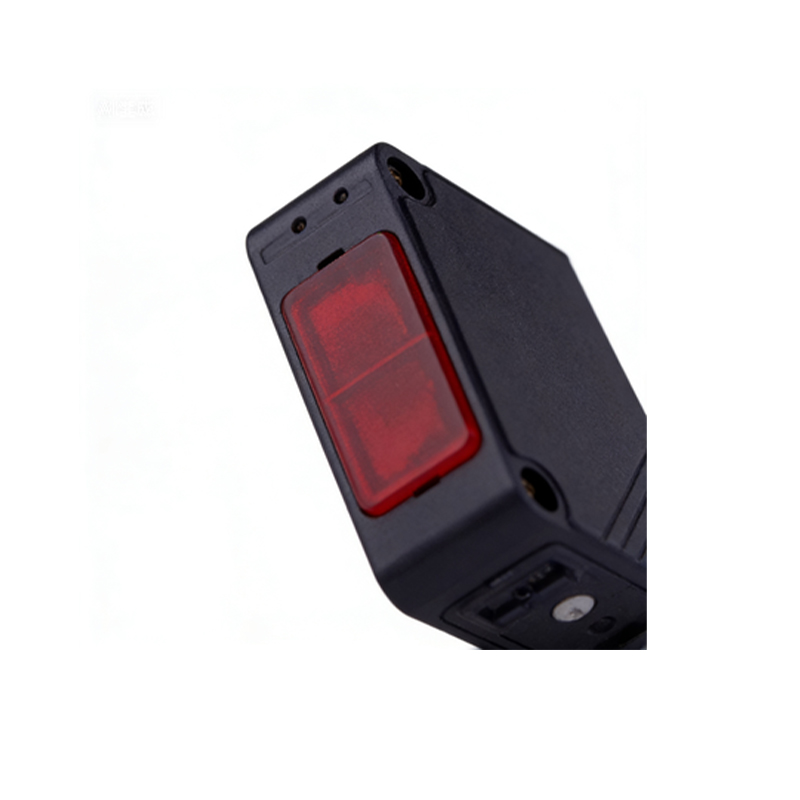
The most significant and defining difference between the ST130A and the ST130B lies in their maximum sensing distance. The ST130A model is typically specified for a standard long-range application. In contrast, the ST130B variant is engineered for an extended or ultra-long sensing range. While exact figures can vary by manufacturer and specific product iteration, the ST130B often offers a sensing distance that is two to three times greater than that of the ST130A. For instance, an ST130A might have a maximum range of 10 meters, whereas the ST130B could reliably detect objects at 20 meters or more. This extended range is achieved through differences in the optical system, such as lens design and LED power, and potentially more sensitive receiver circuitry. This parameter is the first and foremost consideration when selecting between the two models.
Impact on Optical Performance and Alignment
The difference in sensing range directly influences other optical characteristics. The ST130B, with its longer range, typically produces a more focused and narrower light beam compared to the ST130A. This can be a double-edged sword. On one hand, a narrower beam allows for the detection of smaller objects at a great distance and provides higher precision. On the other hand, it makes the initial alignment of the emitter and receiver units more critical and potentially more challenging, especially over very long distances. The ST130A, with a slightly wider beam, can be more forgiving during installation and alignment, which can reduce setup time in applications where the maximum range is not required. Engineers must weigh the need for long-range detection against the practicalities of installation and maintenance.
Power Requirements and Electrical Specifications
To drive the optical components for an extended range, the ST130B model may have different power requirements or consumption profiles compared to the ST130A. It is common for long-range sensors to require a slightly higher operating voltage or to draw more current to power a more intense light emitter. While both models will operate within standard industrial DC voltage ranges (e.g., 10-30 VDC), the technical datasheets should be consulted for precise details regarding current consumption and any derating curves over voltage. Additionally, the response time—the speed at which the sensor can detect an object and change its output state—might differ. The ST130B might have a marginally slower response time due to signal processing needs for long-range stability, though this difference is often negligible for most applications.
Application Scenarios and Selection Guidelines
Choosing between the ST130A and ST130B is an application-driven decision. The ST130A is the ideal workhorse for standard long-range duties. Typical applications include detecting large packages on conveyor belts, monitoring bin levels, controlling door openings, or presence detection in automated machinery where distances are within its specified range. It offers an excellent balance of performance, ease of use, and cost. The ST130B is specifically chosen when distance is the paramount factor. It is essential for large-scale material handling systems, warehouse automation with wide aisles, monitoring over large silos or storage yards, and in security systems for perimeter breach detection. Its use is justified when the application physically exceeds the capabilities of the standard-range ST130A.
Environmental Considerations and Cost Implications
Both sensors are built for tough environments, but the application context for the ST130B often involves more challenging atmospheric conditions over its longer path. Issues like airborne dust, fog, or steam can attenuate the light beam more significantly over 20 meters than over 10 meters. While both models have robust ambient light rejection, the ST130B's performance in heavy particulate environments should be carefully evaluated, and it may require more frequent lens cleaning. From a cost perspective, the ST130B, with its enhanced optical components and design for extended performance, typically carries a higher price point than the ST130A. Therefore, selecting the ST130A for applications where its range is sufficient is the most cost-effective solution, reserving the ST130B's capabilities for situations where they are truly necessary.
Conclusion and Final Recommendations
In summary, the ST130A and ST130B photoelectric sensors are not direct substitutes but complementary tools within the same product family. The ST130B is essentially a long-range specialized version of the ST130A. The key selection criterion is the required sensing distance. For the majority of industrial applications where the detection range is under 15 meters, the ST130A provides reliable, cost-efficient performance. When the application demands detection over vast distances, often in large-scale facilities or outdoor settings, the ST130B becomes the necessary choice despite its higher cost and more sensitive alignment. Always consult the latest manufacturer datasheets for precise specifications on sensing distance, beam patterns, electrical details, and environmental ratings to make the perfect choice for your specific automation challenge.