Introduction to V20 Proximity Light Sensors
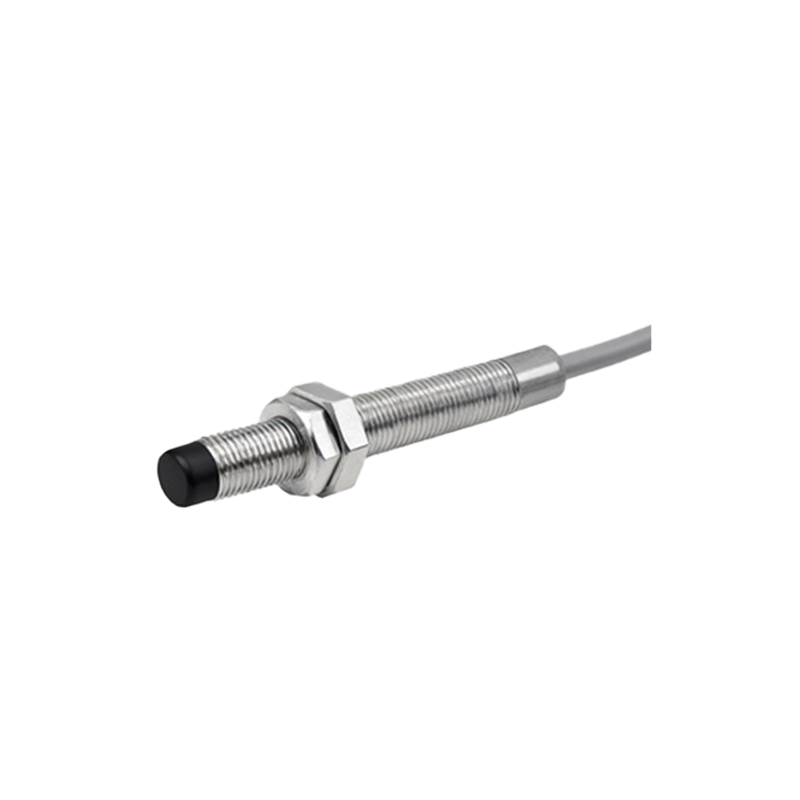
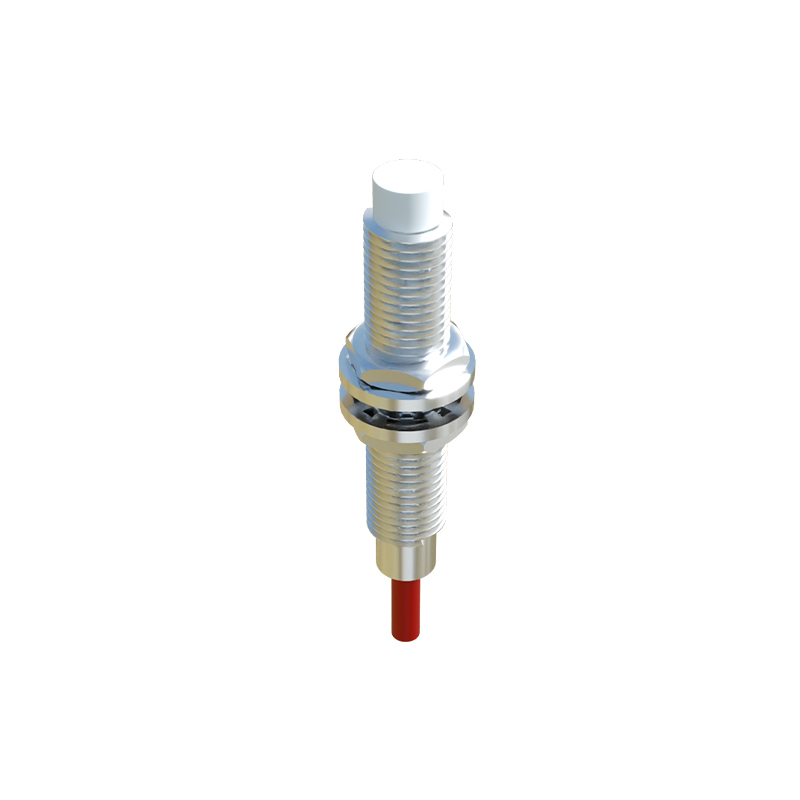
The V20 proximity light sensor is a sophisticated device designed for precise detection and measurement in industrial environments. It operates by emitting a light beam, typically infrared or laser-based, and analyzing the reflected signal to determine the presence, distance, or position of objects. Unlike traditional mechanical sensors, the V20 offers non-contact operation, reducing wear and tear and enhancing reliability. Its compact design and robust construction make it suitable for harsh conditions, including areas with dust, moisture, or temperature variations. Engineers favor the V20 for its high accuracy and fast response times, which are critical in automation processes where timing and precision are paramount. By integrating advanced optics and electronics, this sensor provides consistent performance across various applications, from manufacturing lines to robotic systems.
Core Functions and Working Principles
At its core, the V20 proximity light sensor functions through optical triangulation or time-of-flight methods. In optical triangulation, the sensor projects a light spot onto a target, and a receiver lens captures the reflected light at an angle. The position of the reflected spot shifts based on the object's distance, allowing the sensor to calculate precise measurements. For time-of-flight variants, the sensor measures the time taken for light to travel to the target and back, enabling distance calculations with minimal error. Key functions include object detection, position sensing, and level monitoring. The V20 can detect materials regardless of color or texture, though highly reflective surfaces may require calibration. Its output signals, such as analog voltage or digital switches, interface seamlessly with PLCs (Programmable Logic Controllers) and other control systems, facilitating real-time data processing and automation decisions.
Applications in Industrial Automation
In industrial automation, the V20 proximity light sensor plays a vital role in enhancing efficiency and safety. Common applications include conveyor belt systems, where it detects items for sorting, counting, or quality control. In robotic arms, the sensor ensures precise positioning for tasks like picking, placing, or welding, minimizing errors and downtime. It is also used in packaging machinery to verify product presence and alignment, preventing jams and waste. Additionally, the V20 monitors liquid or solid levels in tanks and silos, providing alerts for refills or overflows. In automotive assembly lines, it assists in part inspection and alignment checks, contributing to high-quality production. Its ability to operate in challenging environments makes it ideal for industries like pharmaceuticals, food processing, and logistics, where hygiene and accuracy are essential.
Advantages Over Other Sensor Types
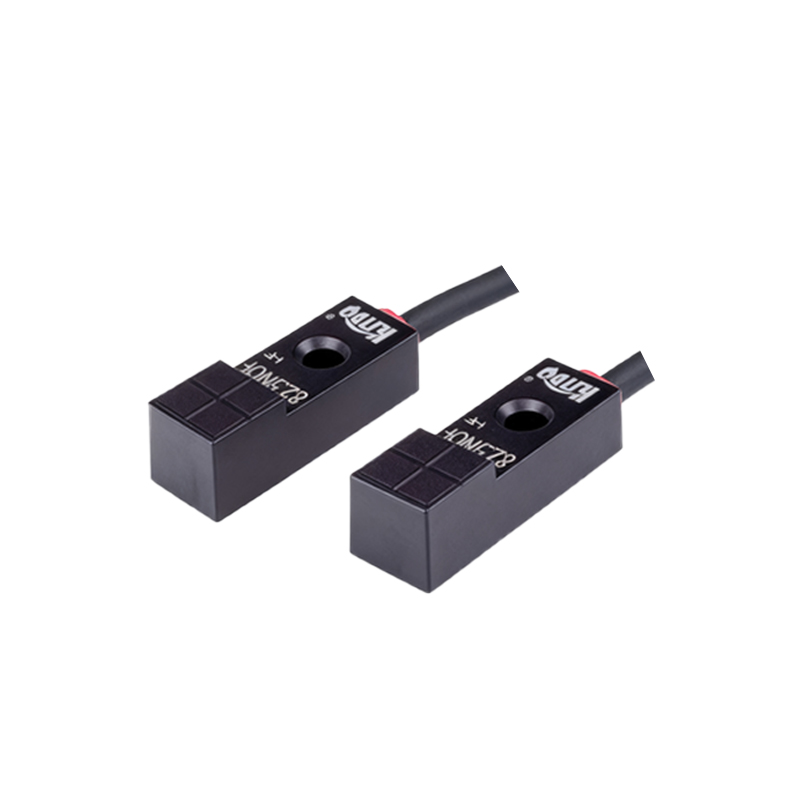
Compared to inductive or capacitive sensors, the V20 proximity light sensor offers distinct advantages. It can detect non-metallic objects, such as plastic, glass, or liquids, expanding its utility beyond metal-based applications. The non-contact nature eliminates physical interference, reducing maintenance needs and extending lifespan. With high resolution and repeatability, the V20 delivers consistent readings even at high speeds, crucial for dynamic production lines. Its adjustable sensing ranges and sensitivity settings allow customization for specific tasks, improving versatility. Moreover, the sensor is less affected by environmental factors like electromagnetic interference, ensuring stable performance. While it may have higher initial costs than some alternatives, the long-term benefits in precision and durability often justify the investment for automation engineers seeking reliable solutions.
Installation and Calibration Best Practices
Proper installation and calibration are key to maximizing the V20 sensor's performance. Engineers should mount the sensor securely, aligning it perpendicular to the target surface to avoid skewed readings. Environmental considerations, such as avoiding direct sunlight or intense ambient light, prevent false triggers. For optimal accuracy, calibration involves setting the sensing range and threshold levels based on the application's requirements. Using test objects similar to actual targets helps fine-tune parameters. Regular maintenance, like cleaning lenses and checking connections, ensures longevity. Documentation from manufacturers provides guidelines for voltage supply, wiring, and troubleshooting. By following these practices, users can achieve reliable operation and minimize downtime, enhancing overall system productivity.
Future Trends and Innovations
The future of V20 proximity light sensors is shaped by advancements in IoT (Internet of Things) and Industry 4.0. Integration with smart networks enables real-time monitoring and predictive maintenance, where sensors transmit data to cloud platforms for analysis. Innovations in miniaturization and energy efficiency are making sensors more compact and sustainable, suitable for portable devices or battery-operated systems. Enhanced algorithms improve discrimination between objects in cluttered environments, reducing false positives. Additionally, developments in multispectral sensing allow detection across different light wavelengths, broadening application scopes. As automation evolves, the V20 is expected to incorporate AI-driven features for adaptive learning, further optimizing industrial processes and driving innovation in sectors like aerospace and renewable energy.
SEO