Understanding Magnetic Proximity Sensors
Magnetic proximity sensors are non-contact devices that detect the presence or absence of a magnetic field, typically generated by a permanent magnet or an electromagnet. These sensors operate based on the Hall effect or magnetoresistive principles, converting magnetic flux density into an electrical signal. In industrial environments, they are prized for their reliability, durability, and ability to function in harsh conditions such as extreme temperatures, dust, moisture, and vibration. Unlike optical or inductive sensors, magnetic sensors are not affected by non-ferrous materials or ambient light, making them ideal for specific applications like position sensing in hydraulic cylinders, speed monitoring in conveyors, or end-of-travel detection in automated machinery. Their fundamental advantage lies in providing consistent performance with minimal maintenance, even in contaminated or sealed environments where physical contact is impractical.
The Need for Customization in Industrial Applications
While standard magnetic proximity sensors are widely available, many industrial scenarios demand tailored solutions to meet unique operational challenges. Customization may involve specific form factors, such as miniature sizes for compact machinery or elongated shapes for integration into tight spaces. Electrical requirements often vary, including voltage ranges (e.g., 5V DC to 240V AC), output types (PNP/NPN, analog, or digital), and connection interfaces like M12 connectors or cable leads. Environmental factors also drive customization—sensors might need enhanced sealing (IP67/IP69K ratings) for washdown areas in food processing, specialized coatings for corrosion resistance in marine settings, or extended temperature tolerances for foundries or outdoor installations. Additionally, magnetic sensitivity adjustments can be crucial to avoid false triggers from stray fields or to detect weak magnets at greater distances. By addressing these specifics, custom sensors optimize system efficiency, reduce downtime, and ensure compatibility with existing equipment.
Key Design Considerations for Custom Sensors
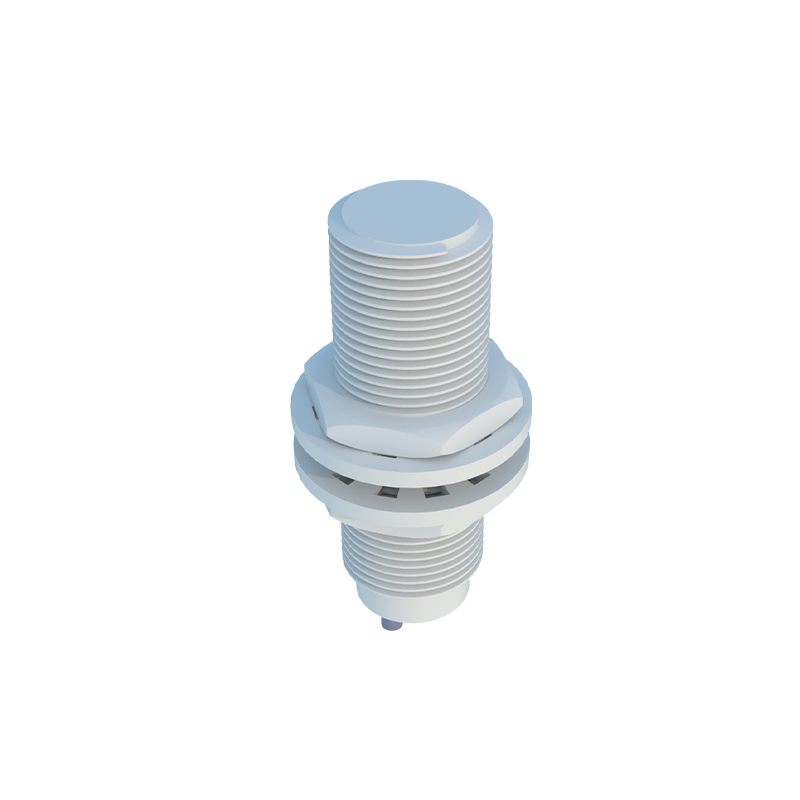
Designing a custom magnetic proximity sensor requires a collaborative approach between engineers and clients to balance performance, cost, and manufacturability. First, the sensing range and magnetic field strength must be calibrated based on the target object’s material and movement pattern. For instance, detecting a small neodymium magnet in a robotic arm differs from sensing a ferrous gear tooth in heavy machinery. Second, housing materials are selected for durability—stainless steel suits abrasive environments, while thermoplastics may be used for lightweight applications. Electrical integration involves choosing circuitry that minimizes power consumption and electromagnetic interference, especially in sensitive electronic systems. Third, compliance with industry standards (e.g., IEC 60947, ATEX for explosive atmospheres) is essential for safety and market acceptance. Prototyping and testing phases validate design choices under real-world conditions, ensuring the sensor meets lifespan expectations (often millions of cycles) and reliability metrics before full-scale production.
Applications Across Diverse Industries
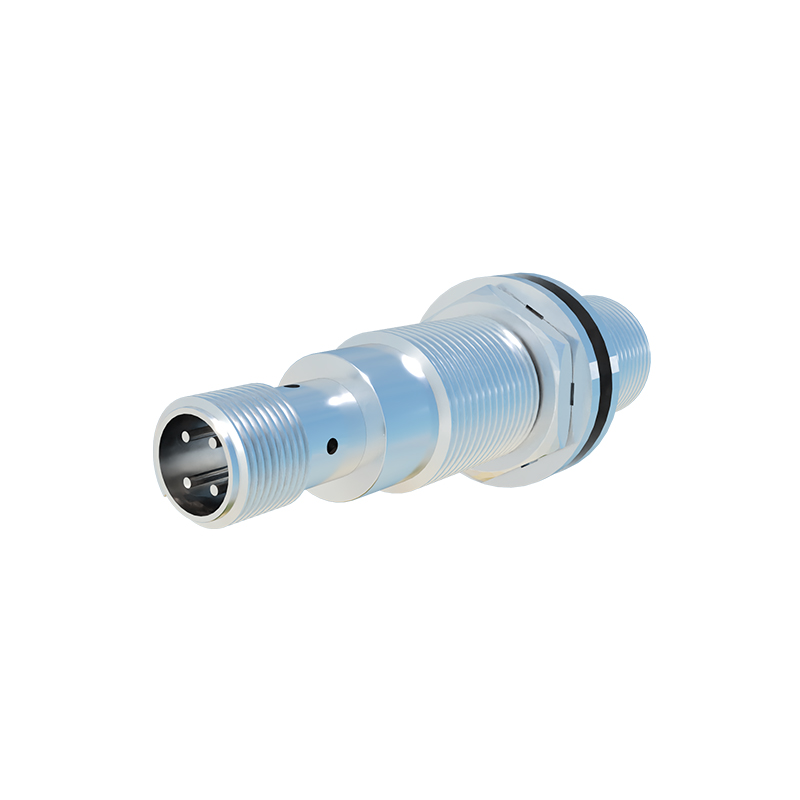
Custom magnetic proximity sensors serve critical roles in various sectors by solving niche problems. In automotive manufacturing, they enable precise valve positioning in engines or seat adjustment detection, often requiring high-temperature resistance. The renewable energy sector uses them in wind turbine pitch control systems, where they must withstand vibration and weather extremes. In medical equipment, miniaturized sensors facilitate accurate dosing in infusion pumps or motion detection in imaging devices, demanding sterile materials and low magnetic interference. Logistics and packaging lines employ custom sensors for conveyor belt synchronization or palletizing robots, emphasizing fast response times and rugged enclosures. Even in agriculture, sensors monitor irrigation system movements or implement positioning on tractors, needing dust and moisture protection. Each application benefits from tailored designs that enhance accuracy, safety, and operational continuity.
Collaborative Development Process
The journey to a custom magnetic proximity sensor typically follows a structured workflow. It begins with a detailed consultation to define technical specifications, environmental constraints, and budget parameters. Engineers then create conceptual designs using simulation tools to model magnetic interactions and stress factors. Once a design is approved, prototypes are manufactured for lab and field testing, including cycle endurance, shock resistance, and signal stability assessments. Feedback loops allow for refinements, such as adjusting hysteresis to prevent chatter or optimizing mounting configurations. After final validation, production scales up with quality control checks like 100% testing for output consistency and environmental sealing. Post-deployment, ongoing support may include firmware updates for smart sensors or adaptation to evolving system needs. This partnership ensures the final product not only meets but exceeds performance expectations, delivering long-term value.
Future Trends and Innovations
Advancements in technology are expanding the possibilities for custom magnetic proximity sensors. The integration of IoT capabilities allows sensors to transmit real-time data wirelessly, enabling predictive maintenance and system analytics. Miniaturization trends, driven by MEMS (Micro-Electro-Mechanical Systems), are