Introduction to Oil-Resistant Rectangular Proximity Sensors
In the demanding world of industrial automation, sensors must operate reliably under extreme conditions. Among these critical components, the oil-resistant rectangular proximity sensor stands out as a specialized solution designed to withstand environments contaminated with oils, coolants, and other lubricants. Unlike standard sensors that may fail when exposed to such substances, these robust devices are engineered with specific seals, housing materials, and protective coatings. Their rectangular form factor is not merely an aesthetic choice; it often provides a larger sensing face and allows for easier mounting in confined spaces or on machinery with flat surfaces. The primary function remains non-contact detection of metallic or, in some variants, non-metallic objects, but the defining characteristic is its unwavering performance where oil ingress is a constant threat.
Core Construction and Protective Features
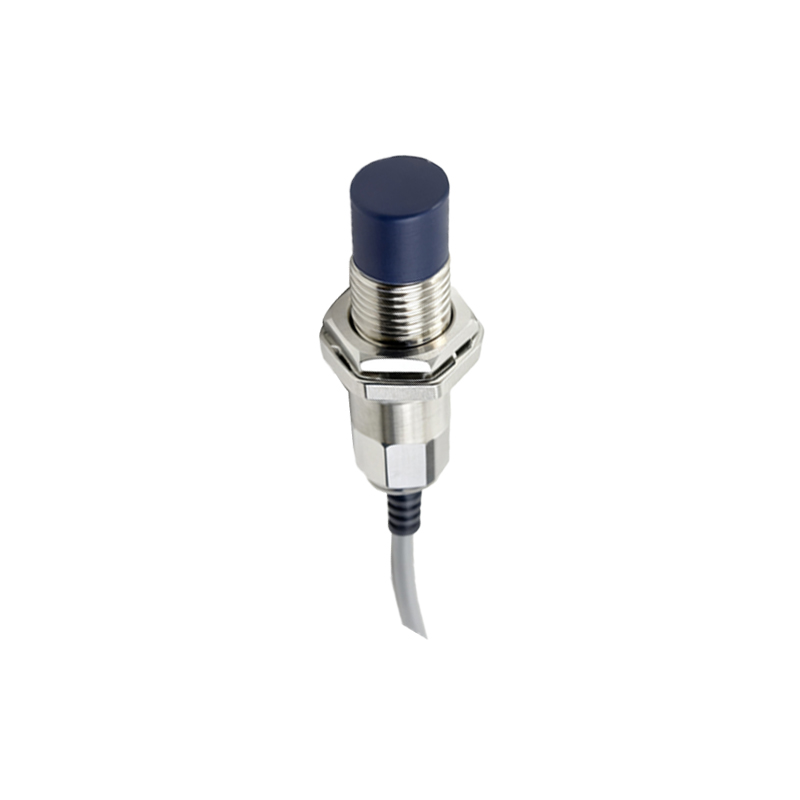
The resilience of an oil-resistant rectangular proximity sensor begins with its construction. The housing is typically molded from high-grade materials such as stainless steel (V2A, V4A) or rugged, chemically resistant polymers like PBT or PPS. These materials inherently resist swelling, cracking, or degradation when exposed to petroleum-based or synthetic oils. The most critical defense, however, lies in the sealing system. High-quality sensors employ multiple sealing barriers, including specialized O-rings made from nitrile rubber (NBR), fluorocarbon (FKM/Viton), or ethylene propylene diene monomer (EPDM). These seals are strategically placed at cable entry points, housing joints, and the sensing face. The sensing face itself is often a thick, inert epoxy resin that seals the inductive coil or capacitive element from direct fluid contact, ensuring the internal electronics remain completely isolated from the hostile external environment.
Key Operational Principles and Sensing Technologies
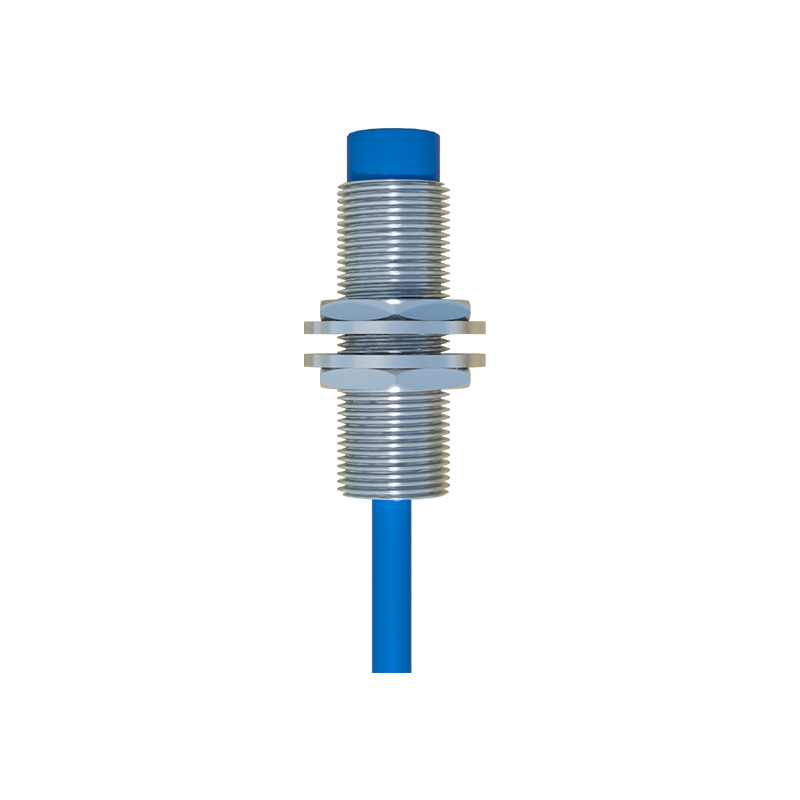
The majority of oil-resistant rectangular sensors operate on the inductive principle. They generate an electromagnetic field from the sensing face. When a metallic target enters this field, eddy currents are induced, causing a change in the oscillator's amplitude. This change is detected by the circuit, which then switches the output state. This non-contact method is ideal for detecting metal parts like pistons, clamps, or tools on automated lines. For applications requiring detection of non-metallic materials (e.g., plastic bottles, wood, or levels of liquids/oils themselves), oil-resistant capacitive rectangular sensors are used. These detect changes in the dielectric constant. Despite the technology, the internal circuitry is potted—encapsulated in a solid compound—to protect against vibration, thermal shock, and any potential moisture or oil vapor that might penetrate the primary seals, guaranteeing long-term stability.
Critical Applications in Harsh Industries
The application areas for these sensors are vast and critical to modern manufacturing. In machine tooling and CNC machining centers, they are indispensable for tool presence detection, pallet positioning, and door interlocking, where cutting fluids and lubricating oils are omnipresent. Within the automotive manufacturing sector, they monitor robotic weld gun positions, verify part placement in engine assembly, and control hydraulic piston strokes in press lines, all environments saturated with grease and oil. Food and beverage processing, which uses edible oils and aggressive cleaning agents, also relies on specially certified oil- and chemical-resistant variants. Furthermore, in hydraulic power units, steel mills, and pulp & paper plants, these sensors provide reliable position feedback on cylinders, valves, and rollers, where failure due to contamination would lead to significant downtime and production losses.
Selection Criteria and Installation Best Practices
Selecting the right oil-resistant rectangular proximity sensor requires careful consideration. First, verify the specific IP (Ingress Protection) rating, with IP67 being a common minimum for temporary immersion and protection against oil jets, and IP69K for high-pressure, high-temperature washdowns. The sensor's material compatibility with the specific oils and chemicals present is paramount; manufacturers provide detailed chemical resistance charts. Other technical specifications include sensing distance (which may be reduced compared to standard sensors due to the thicker face material), output type (PNP/NPN, analog, IO-Link), and supply voltage. During installation, ensure the housing is not damaged or scratched, as this can compromise seals. Mounting should be secure to minimize vibration, and cables should be routed away from sharp edges and high-temperature sources. Even with robust protection, regular inspection of the sensor body and seals as part of preventive maintenance is recommended to ensure ongoing integrity.
Advantages Over Standard Sensor Solutions
The advantages of deploying oil-resistant rectangular proximity sensors in appropriate environments are substantial. The most significant benefit is dramatically increased mean time between failures (MTBF), leading to lower maintenance costs and reduced unplanned downtime. This reliability directly translates to higher overall equipment effectiveness (OEE). Their