Introduction to Through-Beam Photoelectric Sensors
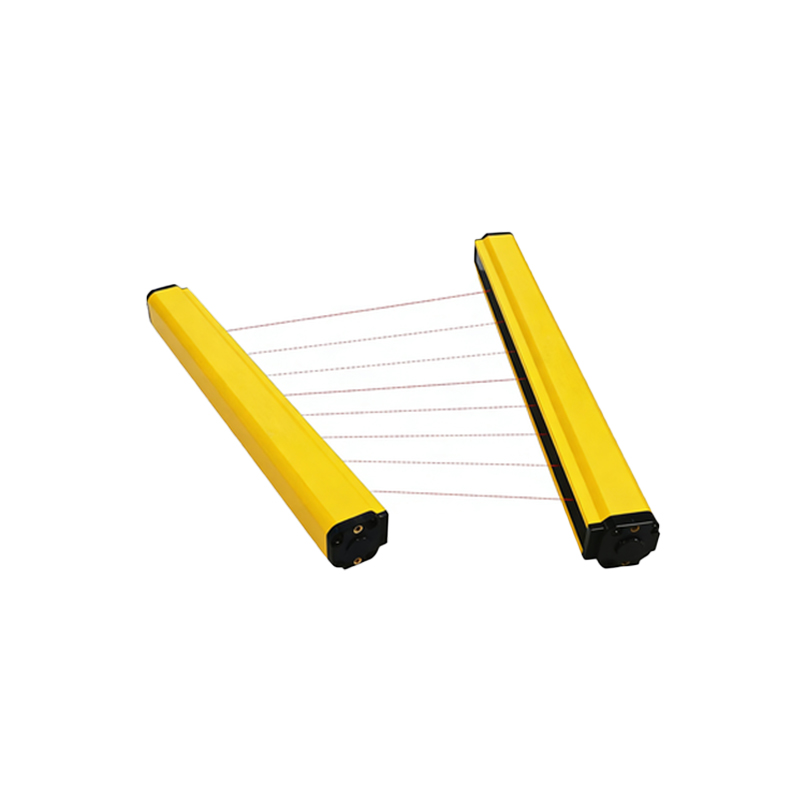
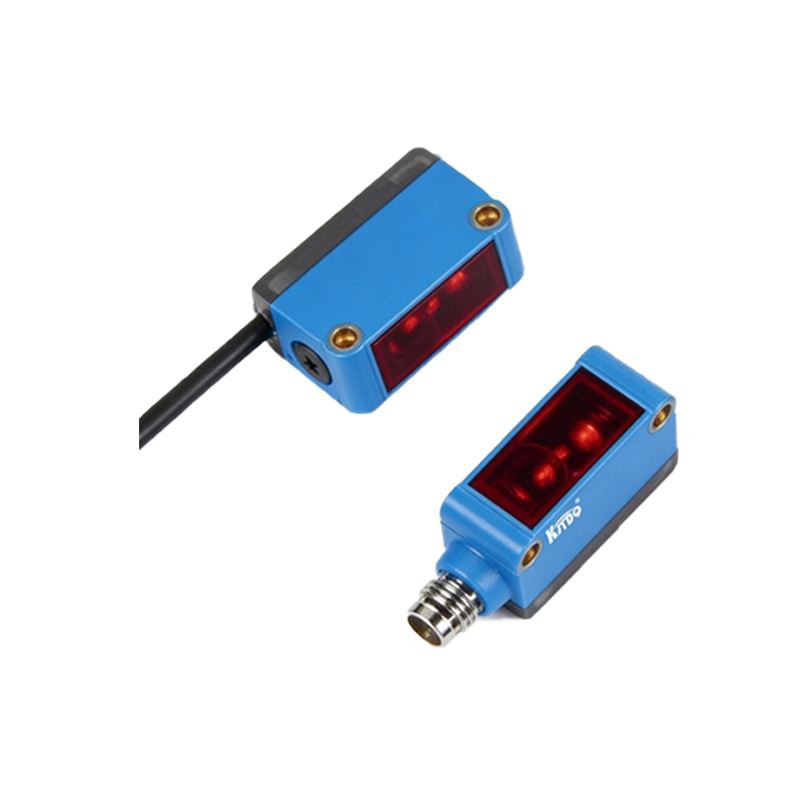
Through-beam photoelectric sensors, often referred to as opposed-mode sensors, represent one of the most fundamental and reliable sensing technologies in industrial automation. This sensor configuration consists of two separate units: a transmitter (or emitter) and a receiver. The transmitter projects a beam of light—typically infrared, visible red, or laser—directly towards the receiver unit. The core operating principle is elegantly simple: the presence of an object is detected when it physically interrupts this continuous beam of light, causing the receiver's output state to change. This binary, go/no-go detection method provides exceptional reliability and is the foundation for countless applications where precise object detection is non-negotiable. Their design prioritizes long-range sensing and immunity to environmental factors like target color, reflectivity, or surface finish, making them a versatile workhorse on factory floors worldwide.
Core Operating Principle and Components
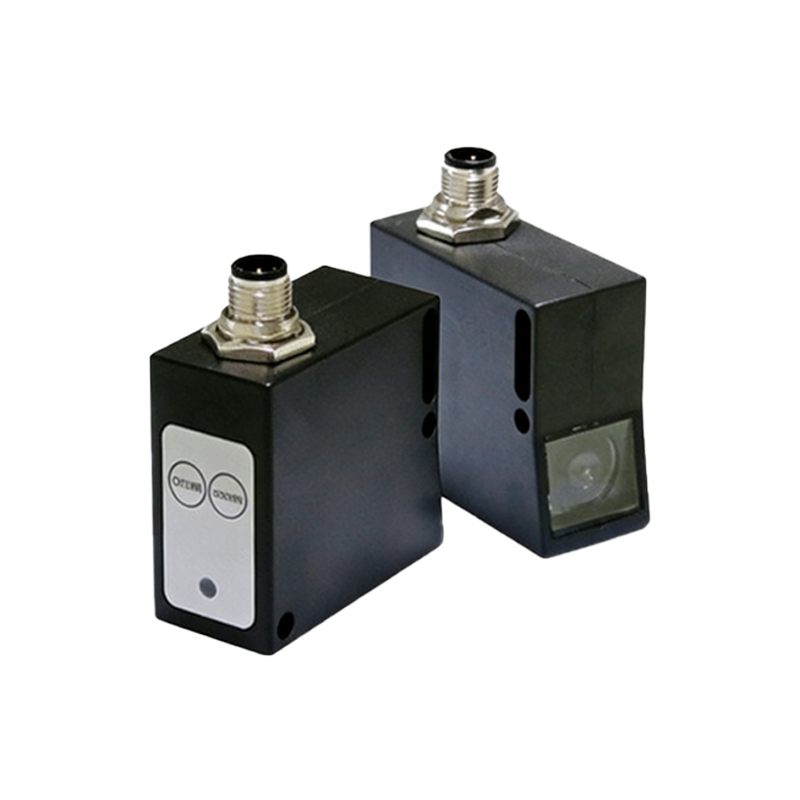
The functionality of a through-beam sensor hinges on the precise alignment of its two components. The transmitter houses a light-emitting diode (LED) or a laser diode that generates a modulated light beam. This modulation, where the light is pulsed at a specific frequency, is crucial. It allows the receiver to distinguish the sensor's own signal from ambient light, dramatically enhancing stability and noise immunity. The receiver contains a phototransistor or photodiode tuned to respond specifically to the transmitter's modulated frequency. When the beam is uninterrupted, the receiver's internal circuit maintains a specific output state (often termed "light-on" or "dark-on," configurable by the user). The moment an object breaks the beam, the signal is lost, triggering a change in the output state, which is then communicated to a programmable logic controller (PLC) or other control system to initiate an action, such as stopping a conveyor or starting a count.
Key Advantages and Performance Characteristics
Through-beam sensors offer several distinct advantages that justify their widespread use. First and foremost is their exceptional sensing range. Capable of reliable detection over distances from a few centimeters up to several tens of meters, they outperform other photoelectric modes like diffuse-reflective or retro-reflective in this regard. Secondly, they provide high positional accuracy and consistency. Because detection depends solely on beam interruption, the sensor's performance is unaffected by the color, texture, or material of the target object—a black rubber belt and a polished metal rod will be detected with equal reliability if they are opaque enough to block the beam. This leads to superior stability and a very high signal-to-noise ratio. Furthermore, they are generally less susceptible to false triggers from background objects or harsh environments like dust, steam, or vibration, provided the lenses are kept clean.
Common Industrial Applications
The robustness and long-range capability of through-beam sensors make them ideal for demanding industrial environments. A primary application is object detection on high-speed conveyor systems, where they reliably count bottles, boxes, or parts as they pass by. They are indispensable in safety systems, such as perimeter guarding for robotic cells or access control on machinery, where a broken beam immediately triggers a safety stop (often using a specialized safety-rated light curtain). In packaging machinery, they ensure precise registration for cutting or filling operations. They are also used for detecting the presence or absence of objects in storage racks, monitoring web breaks in material handling (paper, plastic, textile), and as part of sophisticated level control systems in bulk material handling, where multiple sensors create a bin-level profile.
Installation, Alignment, and Maintenance Considerations
Successful implementation of through-beam sensors requires careful attention to installation. The most critical task is the precise mechanical alignment of the transmitter and receiver. Even slight misalignment can drastically reduce the effective sensing signal or cause complete failure. Many modern sensors feature alignment indicators, such as LED signal strength meters, to assist technicians. The units must be securely mounted to prevent vibration from disturbing this alignment over time. Environmental factors are also key; while resistant to many interferences, accumulated dirt, dust, or condensation on the lenses will attenuate the light beam. Implementing routine cleaning schedules and, in dirty environments, using sensors with higher IP (Ingress Protection) ratings or air purge fittings is essential for maintaining long-term reliability. Choosing the correct housing material (e.g., metal for rugged areas, plastic for lighter duty) is also important.
Selection Criteria and Comparison with Other Modes
When selecting a photoelectric sensor, engineers must weigh the pros and cons of different sensing modes. The through-beam sensor's main strength is its long range and high reliability for opaque object detection. Its primary drawback is the need for two separate devices and wiring runs, which increases initial cost and installation complexity compared to a single-unit sensor. For applications where mounting two units is impractical, a retro-reflective sensor (which uses a single sensor unit and a reflector) may be a suitable alternative, though it offers shorter range and can be fooled by shiny objects. For very short ranges or when detecting specific surfaces, a diffuse-reflective sensor (which detects light reflected directly off the target) might be used. The choice ultimately depends on the specific requirements for range, target characteristics, environmental conditions, and budget.
Future Trends and Technological Developments
The evolution of through-beam sensor technology continues to align with broader Industry 4.0 trends. Modern sensors are becoming more intelligent and connected. Features like IO-Link communication are becoming standard, allowing for remote configuration, real-time diagnostics (e.g., reporting lens contamination or signal strength degradation), and seamless integration into digital twin systems. There is also a trend towards miniaturization, providing the same robust performance in smaller housings for space-constrained applications. Enhanced laser models offer extremely precise, small-spot detection for minute parts or high-precision positioning tasks. Furthermore, the integration of advanced background suppression algorithms in some through-beam receivers helps to ignore objects beyond a set distance, adding another layer of application-specific flexibility to this classic, enduring technology.