Introduction to Proximity and Light Sensors
Proximity and light sensors are integral components in today's automated systems, enabling machines to detect the presence, absence, or position of objects without physical contact. Proximity sensors primarily use electromagnetic fields, infrared radiation, or ultrasonic signals to sense nearby targets, while light sensors, such as photodiodes or phototransistors, measure ambient light intensity or specific wavelengths. These devices are crucial for enhancing efficiency, safety, and precision across various industries, from manufacturing to consumer electronics. Their non-contact nature reduces wear and tear, minimizes maintenance costs, and allows for high-speed operations in challenging environments where dirt, moisture, or temperature extremes might hinder traditional mechanical switches.
Key Technologies and Operating Principles
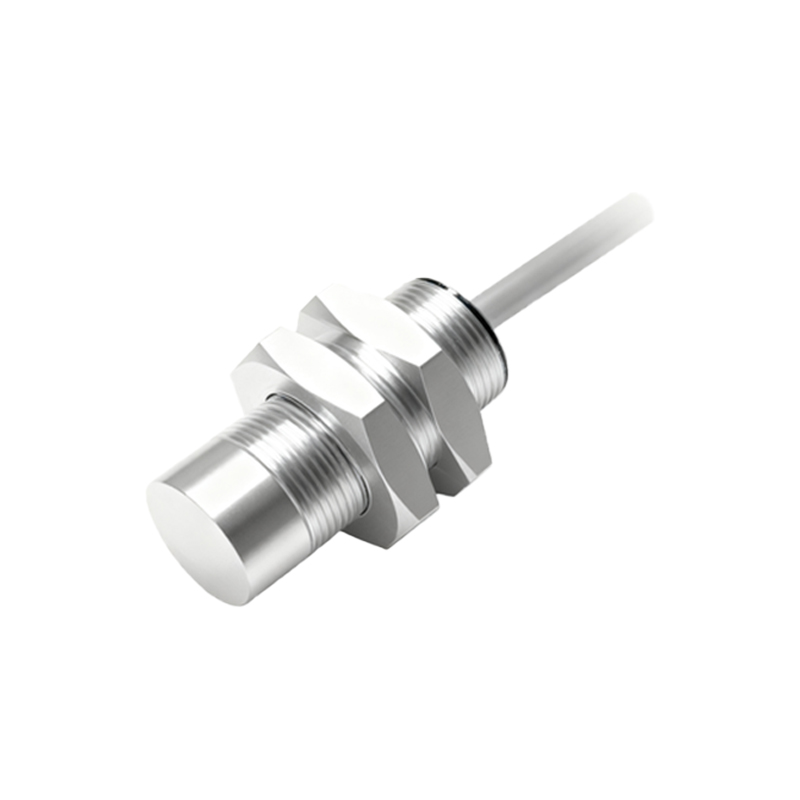
Proximity sensors operate on diverse technologies, including inductive, capacitive, and magnetic principles. Inductive sensors detect metallic objects by generating an electromagnetic field, with changes in the field indicating proximity. Capacitive sensors can sense both metallic and non-metallic materials by measuring changes in capacitance caused by the target's dielectric properties. For light sensing, photoelectric sensors emit light beams—often infrared or laser—and detect reflections to determine object presence or distance. Ambient light sensors, commonly based on semiconductor materials, convert light photons into electrical signals, enabling automatic brightness adjustment in displays or lighting control systems. Advanced versions integrate microprocessors for signal processing, allowing for programmable sensitivity and output formats.
Industrial Applications and Use Cases
In industrial settings, proximity and light sensors are deployed for numerous critical functions. On assembly lines, they facilitate object detection, counting, and positioning, ensuring smooth material flow and preventing jams. In robotics, these sensors provide feedback for precise movement and collision avoidance, enhancing operational safety. Light sensors are employed in quality control systems to inspect surface defects or color variations, while proximity sensors monitor liquid levels in tanks or detect door closures in machinery. The automotive industry relies on them for parking assistance, occupant detection, and adaptive lighting, whereas consumer electronics use them for touchless interfaces and screen dimming. Their versatility supports Industry 4.0 initiatives by enabling real-time data collection and IoT connectivity.
Selection Criteria and Installation Best Practices
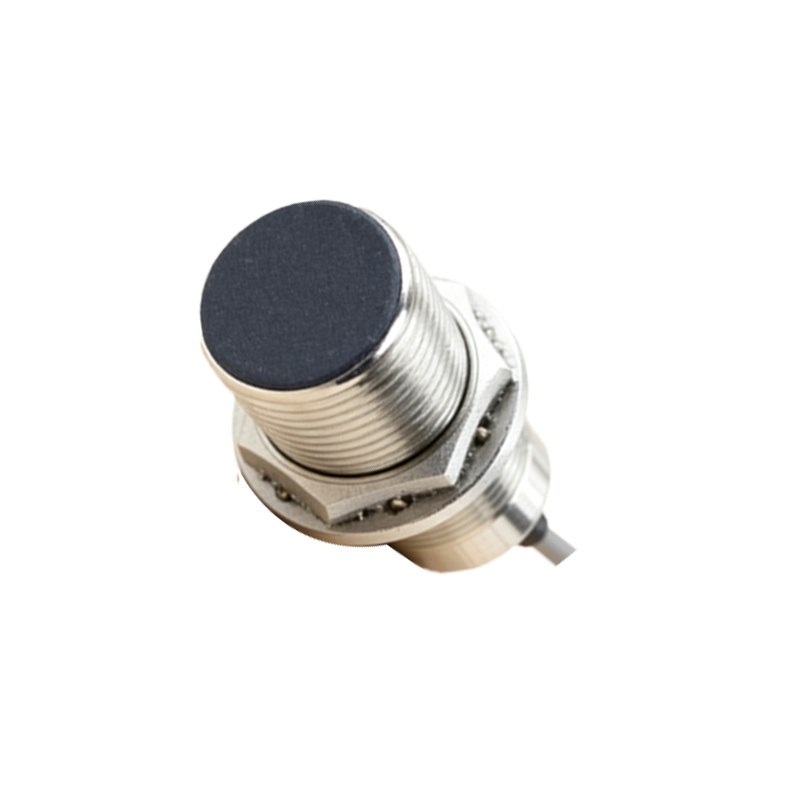
Choosing the right sensor involves evaluating factors such as sensing range, response time, environmental conditions, and target material. For proximity sensors, the sensing distance should match the application requirements, with considerations for temperature ratings, IP protection against dust and water, and output types (e.g., analog or digital). Light sensors require attention to spectral response, sensitivity, and interference from external light sources. Installation best practices include proper alignment to avoid false triggers, shielding from electromagnetic noise, and regular calibration to maintain accuracy. Mounting sensors securely with vibration-resistant fixtures ensures longevity, especially in harsh industrial environments. Additionally, integrating sensors with PLCs or controllers demands compatible wiring and communication protocols.
Future Trends and Innovations
The evolution of proximity and light sensors is driven by miniaturization, smart capabilities, and energy efficiency. Emerging trends include the development of MEMS-based sensors for compact devices, enhanced AI algorithms for predictive maintenance, and wireless sensor networks that reduce cabling complexity. Innovations in materials, such as graphene, promise higher sensitivity and faster response times. Furthermore, the integration of these sensors with IoT platforms enables remote monitoring and analytics, optimizing overall system performance. As industries advance toward automation and sustainability, sensors will play a pivotal role in enabling adaptive, energy-saving solutions, from smart buildings to autonomous vehicles, shaping the future of industrial technology.