Introduction to Photoelectric Sensing Technology
Photoelectric sensors are indispensable components in modern industrial automation and control systems. They operate on a simple yet powerful principle: they emit a beam of light, typically from an LED or a laser diode, and detect changes in the received light's properties. These changes are then converted into an electrical signal to indicate the presence, absence, or position of an object. Unlike mechanical or proximity sensors, photoelectric sensors offer non-contact detection, which translates to no physical wear, higher reliability, and the ability to sense a wide variety of materials, including glass, plastic, metal, and liquids. Their core function is to provide precise, reliable, and fast object detection for process control, safety, and quality assurance across countless applications.
Core Functions and Operational Principles

The primary function of a photoelectric sensor is to detect objects and their characteristics without physical contact. This is achieved through three main operational modes: through-beam, retro-reflective, and diffuse reflective. In through-beam mode, the emitter and receiver are separate units. An object is detected when it interrupts the light beam traveling from the emitter to the receiver. This mode offers the longest sensing range and highest reliability. Retro-reflective mode uses a single housing containing both emitter and receiver, along with a reflector. The emitted light bounces off the reflector back to the receiver. An object is detected when it blocks this reflected beam. Diffuse reflective sensors also house the emitter and receiver together, but they detect light reflected directly off the target object itself. The choice of mode depends on factors like required sensing distance, object properties, and environmental conditions.
Key Types of Photoelectric Sensors
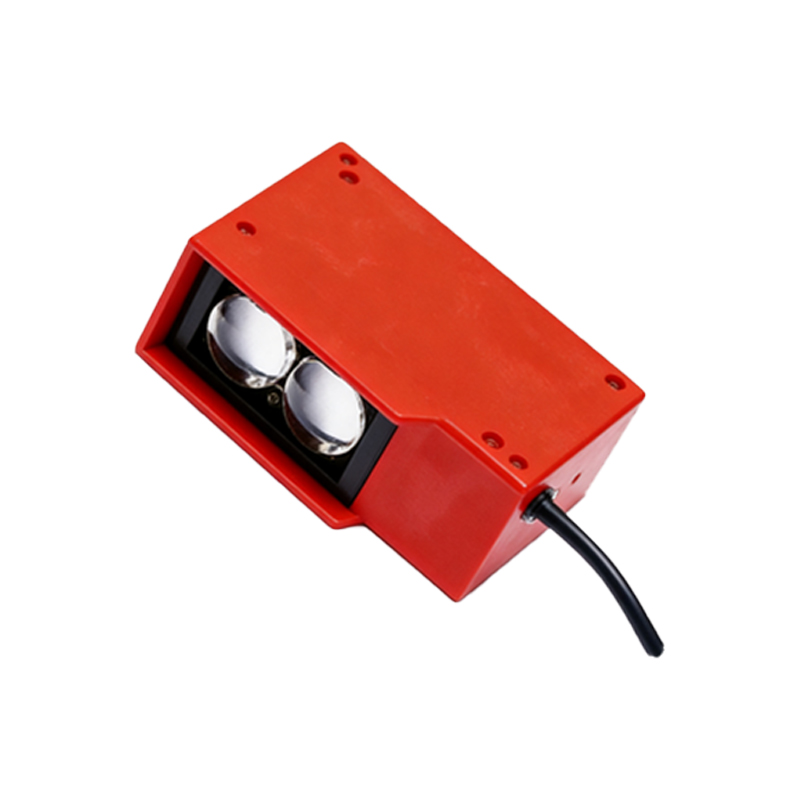
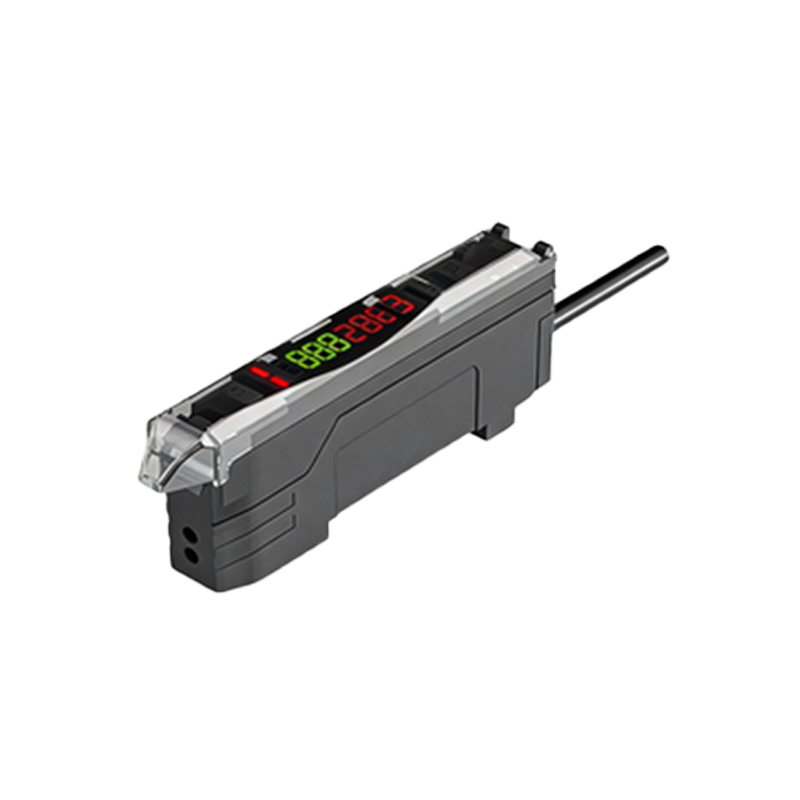
Beyond the basic operational modes, photoelectric sensors are specialized into various types to meet specific application needs. Background suppression sensors are a sophisticated type of diffuse sensor that uses triangulation to detect objects only within a precise, defined distance, ignoring objects and surfaces beyond that range. This is crucial for detecting objects on a conveyor belt, for instance. Contrast sensors detect the difference in contrast or color between an object and its background, often used in labeling and packaging. Luminescence sensors detect the presence of materials that glow under UV light. Fiber optic sensors use flexible fiber optic cables to guide light to and from a small, remote sensing head, ideal for sensing in tight spaces, high-temperature environments, or areas with high electromagnetic interference.
Critical Role in Industrial Automation
In industrial settings, the functions of photoelectric sensors are foundational. They are the "eyes" of automated machinery. On assembly lines, they count products, verify part presence, and check orientation. In packaging, they ensure fill levels, detect label positions, and control the sealing process. In material handling, they provide position feedback for robotic arms, control automated guided vehicles (AGVs) by detecting floor tapes or landmarks, and manage warehouse inventory by reading barcodes. Their high-speed response enables precise timing control, such as in cutting or sorting operations where a sensor triggers an action the moment an object passes a specific point. This automation enhances productivity, ensures consistency, and reduces human error.
Enhancing Safety and Precision Measurement
Safety is another critical domain where photoelectric sensors perform a vital function. Safety light curtains, which are arrays of photoelectric beams, create an invisible protective barrier around hazardous machinery. If the beam is broken by a person's hand or body, the system immediately halts the machine operation, preventing accidents. Furthermore, certain photoelectric sensors are designed for precision measurement tasks. Laser displacement sensors can accurately measure an object's distance, thickness, or height by analyzing the position of the reflected laser spot. This capability is essential in quality control for verifying dimensional tolerances in manufacturing processes for electronics, automotive parts, and precision machinery.
Selection Criteria and Installation Considerations
Selecting the right photoelectric sensor requires careful analysis of the application. Key parameters include sensing range, which must accommodate the expected distance to the target. The object's size, color, material, and surface finish (shiny or matte) affect the light reflection and thus the sensor's performance. Environmental factors are paramount; sensors used outdoors or in washdown areas require high Ingress Protection (IP) ratings against dust and water. Factors like ambient light, temperature extremes, and exposure to chemicals must also be considered. Proper alignment, stable mounting, and regular maintenance, such as lens cleaning, are essential for ensuring long-term, reliable operation and fulfilling the sensor's intended function without false triggers or missed detections.
Future Trends and Advancements
The evolution of photoelectric sensors continues to align with Industry 4.0 and smart factory trends. Modern sensors are becoming more intelligent, featuring integrated IO-Link communication. This allows for remote configuration, real-time diagnostics, and the exchange of process data, enabling predictive maintenance. Advancements in laser and LED technology are yielding sensors with even smaller beam spots for detecting minute objects and with longer ranges. Furthermore, the integration of multi-functional sensing, where a single device can perform tasks like distance measurement, contrast detection, and color recognition, is on the rise. These advancements will further solidify the photoelectric sensor's role as a versatile and intelligent cornerstone of industrial automation, expanding its functions into more complex and data-driven applications.