Introduction to Equine Proximity Sensing
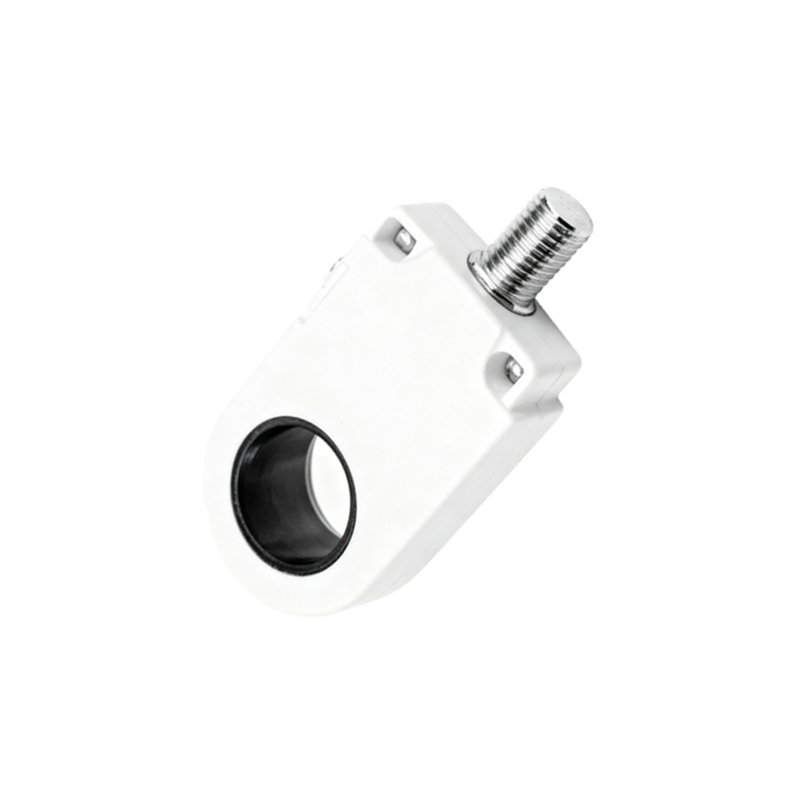
Proximity sensors have become indispensable in modern equine facilities, ranging from large-scale breeding farms to competitive training centers. These non-contact electronic devices detect the presence or absence of a horse or related equipment without physical touch. The primary technologies deployed include inductive, capacitive, and photoelectric sensors. Inductive sensors are predominantly used for detecting metal objects, such as gates, automated feeders, or horseshoes, by generating an electromagnetic field. Capacitive sensors can detect both metallic and non-metallic objects, making them suitable for applications involving organic materials like hay bales or the horse itself. Photoelectric sensors utilize light beams to detect interruptions, often applied in security systems or automated passageways. The selection of the appropriate sensor type is critical and depends on the specific application, environmental conditions, and required detection range.
Key Applications in Horse Management
The implementation of proximity sensors enhances safety, efficiency, and data collection in equine operations. A primary application is in automated feeding systems. Sensors can detect when a horse approaches its designated stall, triggering the release of a pre-measured amount of feed. This ensures precise nutrition management and reduces labor. In equine therapy and rehabilitation centers, sensors monitor a horse's movement patterns on treadmills or in water treadmills, providing valuable data for veterinarians. Furthermore, security systems on farms utilize these sensors to monitor gate access, preventing unauthorized entry to sensitive areas like veterinary clinics or foaling stalls. In training environments, sensors can be integrated with timing equipment to measure a horse's speed and reaction time on courses, offering objective performance metrics.
Supply Chain and Technical Specifications
The supply of proximity sensors for the equine industry demands components that can withstand harsh environments. Key specifications include high ingress protection (IP) ratings, such as IP67 or IP69K, to resist dust, moisture, and high-pressure washdowns common in stables. Operating temperature ranges must accommodate both freezing barns in winter and hot summer conditions. Suppliers typically offer sensors with various output types, including NPN, PNP, and analog outputs, to interface with programmable logic controllers (PLCs) or data loggers. The detection range is another crucial factor; for instance, a sensor monitoring a stall gate might require a short range of 5-10mm, while a perimeter security sensor may need a range of several meters. Leading global suppliers like Siemens, Omron, and Pepperl+Fuchs, as well as specialized agricultural technology firms, provide robust product lines. However, supply chain considerations involve not just the sensor unit but also compatible cabling, mounting hardware, and protective housings.
Installation and Maintenance Best Practices
Proper installation is paramount for reliable sensor operation. Sensors must be mounted securely to avoid vibrations from horse movement or machinery. The sensing face should be kept clean and free from obstructions like dirt, bedding, or cobwebs, which can cause false triggers or failure to detect. Regular calibration checks are necessary, especially for sensors used in measurement applications. Maintenance schedules should include visual inspections for physical damage and testing of the electrical output. It is advisable to use sensors with LED status indicators for quick diagnostics. Technicians should also ensure that the electrical supply is stable and protected from surges, which are common in rural equine facilities with less robust power grids. Implementing a routine log for sensor performance can help predict failures and plan proactive replacements.
Future Trends and Integration
The future of proximity sensor supply in the equine sector is moving towards greater integration with the Internet of Things (IoT) and data analytics. Smart sensors with wireless connectivity, such as LoRaWAN or Bluetooth, are emerging. These devices can transmit real-time data on horse traffic, feeding times, and gate status to a central management platform. This data can be analyzed to optimize facility layouts, identify behavioral patterns, and enhance overall herd health management. Furthermore, the development of more sophisticated sensor fusion systems, combining proximity data with information from cameras or biometric sensors, promises even deeper insights. As the industry continues to embrace precision livestock farming principles, the demand for reliable, intelligent, and durable proximity sensor solutions is expected to grow significantly, driving innovation from suppliers.