Introduction to Photoelectric Sensing in Coin Applications
Photoelectric sensors are widely utilized in automated systems for detecting, counting, and sorting coins due to their high precision, non-contact operation, and rapid response times. These sensors function by emitting a light beam—typically infrared, visible red, or laser—toward a target. When the beam is interrupted or reflected by an object, such as a coin, the sensor's receiver detects the change in light intensity, triggering an output signal. In coin handling equipment like vending machines, currency counters, and amusement arcade systems, reliable detection is critical. Coins present unique challenges: they vary in size, thickness, material composition, and surface reflectivity. A well-designed photoelectric sensor system must account for these variables to ensure accurate operation without false triggers from environmental factors like dust, ambient light, or mechanical vibrations.
Key Sensor Types for Coin Detection
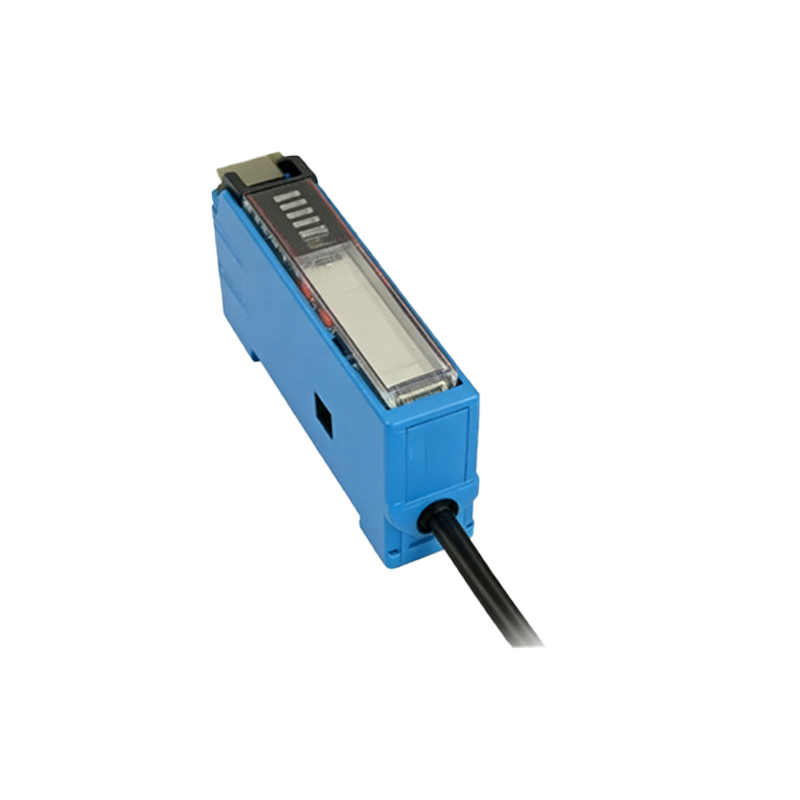
Several photoelectric sensor configurations are suitable for coin applications, each with distinct advantages. Through-beam sensors, consisting of separate emitter and receiver units, offer the highest reliability for coin detection. The coin passes between the two, breaking the beam, which provides a clear, unambiguous signal ideal for counting. However, alignment can be sensitive. Retro-reflective sensors use a single unit and a reflector; the coin breaks the beam reflected back. This simplifies mounting but may be less precise with highly reflective coins. Diffuse reflective sensors detect light reflected directly off the coin itself. They are compact and easy to install, making them common in space-constrained devices. For advanced applications, background suppression or color contrast sensors can differentiate coins based on material or color, aiding in sorting by denomination.
Design Considerations for Optimal Performance
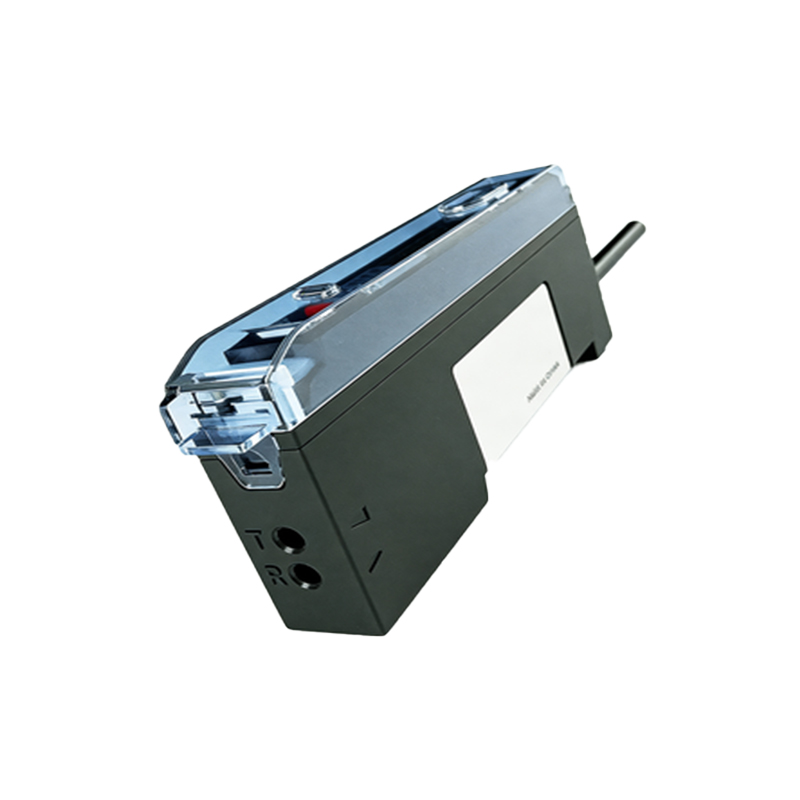
Achieving consistent coin detection requires careful engineering. First, select a sensor with an appropriate sensing range and beam spot size. The spot should be smaller than the smallest coin to avoid missing partial interruptions. For counting, sensors are often placed at a chokepoint in the coin path. Response time must be faster than the maximum coin passage speed—high-speed counters may require sensors with microsecond response. Environmental sealing (IP67 or higher) protects against dust and moisture, common in coin mechanisms. Electrical compatibility with the control system (e.g., NPN/PNP outputs) is essential. Additionally, programmable sensors allow adjustment of sensitivity to handle different coin alloys and finishes, minimizing errors from tarnished or dirty coins. Regular calibration and testing with a full set of target coins ensure long-term reliability.
Overcoming Common Challenges in Coin Sensing
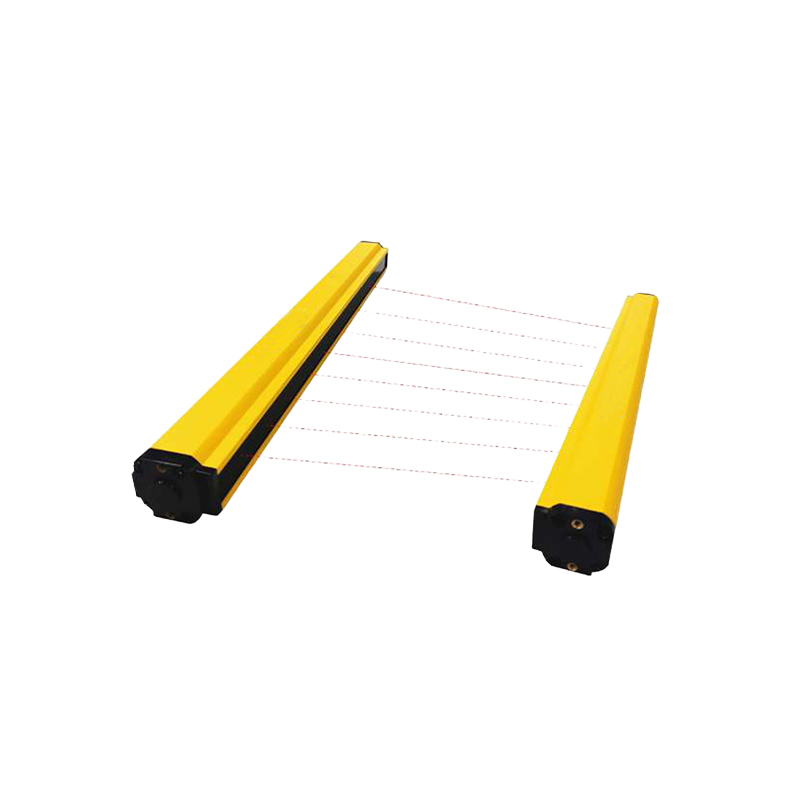
Real-world deployment introduces several hurdles. Ambient light interference, particularly from sunlight or fluorescent lamps, can cause false readings. Using modulated infrared light and sensors with synchronous detection filters out constant ambient light. Coin jitter or wobble as it moves may create multiple beam breaks; debounce circuits or programmable timers in the controller can define a minimum pulse width to register a single count. Closely spaced coins might be detected as one object; precise mechanical guidance and sometimes multiple sensors in sequence resolve this. For sorting, sensors must distinguish between similar-sized coins. Combining photoelectric sensors with other technologies—like inductive sensors to detect metal composition or thickness gauges—creates a robust multi-sensor validation system, enhancing accuracy beyond simple counting.
Integration and System Implementation
Integrating photoelectric sensors into a coin mechanism involves both hardware and software components. Mechanically, sensors are mounted securely to maintain alignment against vibrations. Wiring should be shielded to prevent electrical noise from affecting the signal. The sensor output connects to a programmable logic controller (PLC), microcontroller, or dedicated coin acceptor circuit. In software, algorithms process the sensor pulses to count coins and, when using multiple sensors, determine denomination based on the sequence or duration of interruptions. Diagnostic features, such as sensor health monitoring via signal strength indicators, help in preventative maintenance. For vending or payment systems, this data interfaces with a cashless transaction module or inventory management system, creating a seamless automated solution.
Future Trends and Advancements
The future of coin detection with photoelectric sensors is leaning toward smarter, more integrated systems. Miniaturization allows sensors to be embedded in smaller devices, like compact handheld coin counters. Enhanced digital sensors with IO-Link or other industrial communication protocols enable real-time data exchange, remote configuration, and predictive analytics. Machine learning algorithms can analyze sensor data patterns to identify worn or counterfeit coins with higher accuracy. Furthermore, the integration of vision systems with photoelectric sensors provides a comprehensive inspection, capturing not just presence but also detailed imagery of coin condition. As automation and cash handling technologies evolve, photoelectric sensors will remain a cornerstone, offering adaptable, reliable performance for precise coin detection and management.