Introduction to Photoelectric Sensors
Photoelectric sensors are pivotal components in modern industrial automation, leveraging light to detect objects, measure distances, or identify specific characteristics. These sensors operate by emitting a light beam—typically from an LED or laser source—and analyzing the reflected or interrupted light to gather data. The core principle involves converting light signals into electrical outputs, enabling seamless integration with control systems. In industrial settings, photoelectric sensors are favored for their non-contact operation, high precision, and durability, making them ideal for harsh environments where mechanical wear or contamination is a concern. This article delves into the working mechanisms of photoelectric sensors through animated visualizations, explaining how different types function and their practical applications.
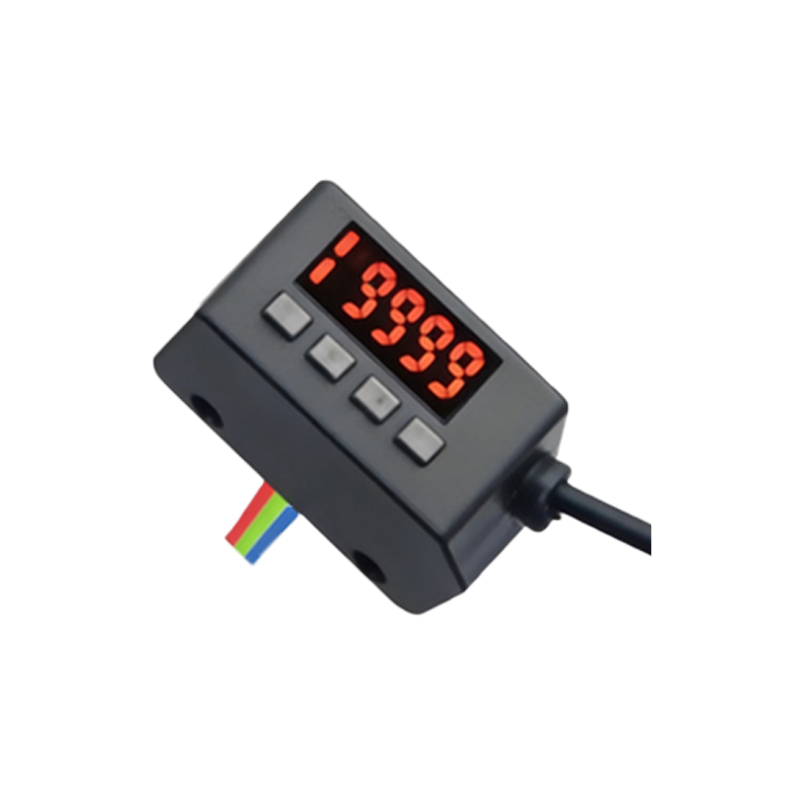
Basic Working Principles
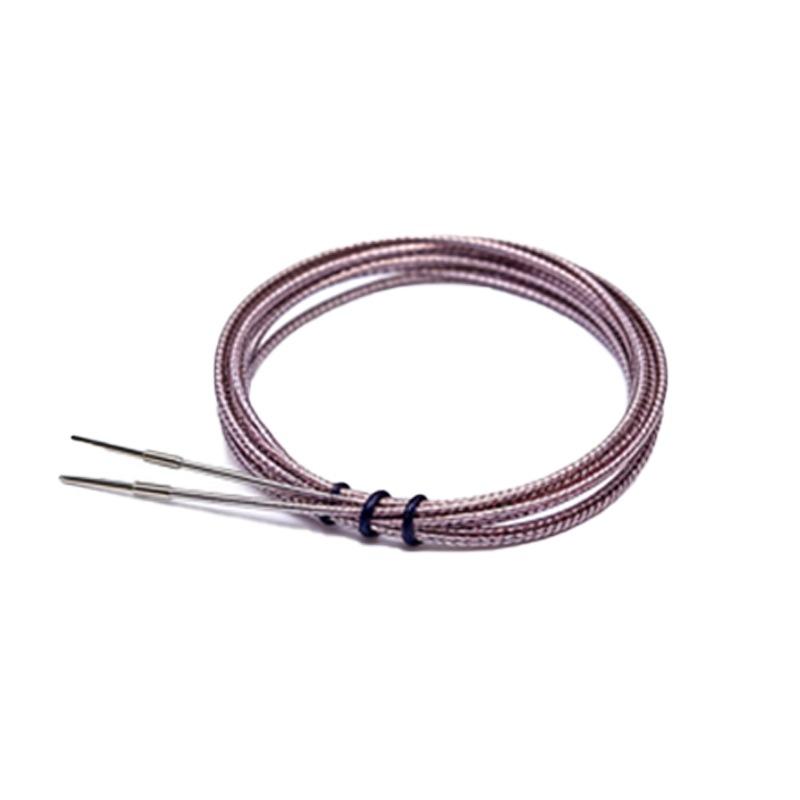
At the heart of photoelectric sensors lies the interaction between light and matter. The sensor consists of three main parts: an emitter, a receiver, and a signal processing unit. The emitter projects a focused light beam toward a target area. When an object enters this area, it either reflects the light back to the receiver (in reflective models) or blocks the beam entirely (in through-beam models). The receiver, often a photodiode or phototransistor, detects changes in light intensity and converts them into electrical signals. These signals are then processed to trigger actions, such as activating a machine or logging data. An animation can vividly illustrate this process, showing the light path, object interaction, and signal conversion in real-time, enhancing understanding of the sensor's responsiveness and accuracy.
Types of Photoelectric Sensors
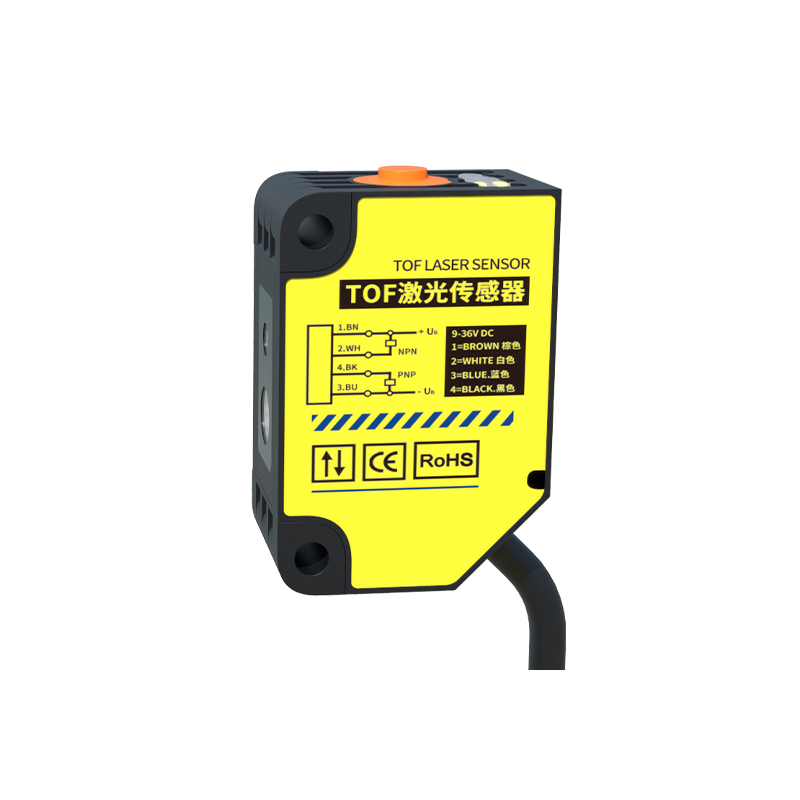
Photoelectric sensors are categorized based on their detection methods, each suited for specific industrial tasks. Through-beam sensors use separate emitter and receiver units placed opposite each other; when an object interrupts the beam, the sensor detects its presence. This type offers long-range detection and high reliability but requires precise alignment. Reflective sensors combine the emitter and receiver in one housing, bouncing light off a reflector or the object itself. They are easier to install and maintain, ideal for medium-range applications. Diffuse sensors rely on light scattering from the target, making them versatile for detecting varied surfaces without a reflector. An animated comparison can demonstrate these differences, highlighting how each type adapts to environmental factors like dust or ambient light.
Animation as a Learning Tool
Animations play a crucial role in elucidating complex sensor operations, breaking down abstract concepts into visual sequences. For photoelectric sensors, an animation can simulate light emission, reflection patterns, and signal fluctuations under different conditions. For instance, it can show how a diffuse sensor adjusts to colored or textured objects by varying light absorption, or how a through-beam sensor maintains detection in low-visibility settings. By incorporating motion graphics, learners can grasp timing aspects, such as response delays or beam modulation, which are critical for optimizing sensor placement in automated systems. This dynamic approach bridges the gap between theoretical knowledge and hands-on application, fostering deeper engagement.
Applications in Industrial Automation
In industrial automation, photoelectric sensors are ubiquitous, enhancing efficiency and safety across sectors. They are used in conveyor systems to count products, in packaging lines to verify label placement, and in robotics for object positioning. For example, in automotive manufacturing, sensors ensure precise assembly by detecting component alignment, while in food processing, they monitor fill levels without contaminating products. Animations can showcase these scenarios, depicting sensors in action within a factory environment. By visualizing real-world use cases, such as detecting transparent materials or operating in high-speed production lines, animations underscore the sensors' adaptability and reliability, helping engineers select the right model for their needs.
Advantages and Limitations
Photoelectric sensors offer numerous benefits, including non-contact operation, which minimizes wear and allows detection of fragile items. They provide fast response times, often in milliseconds, and can sense a wide range of materials, from metals to plastics. However, limitations exist, such as susceptibility to environmental interference like dust, fog, or strong ambient light, which may affect accuracy. Animations can illustrate these challenges, showing how shielding or specialized filters mitigate issues. Additionally, while sensors are durable, extreme temperatures or corrosive conditions may reduce lifespan. Understanding these pros and cons through visual aids enables better decision-making in industrial design and maintenance.
Future Trends and Innovations
The evolution of photoelectric sensors is driven by advancements in technology, such as miniaturization, enhanced connectivity, and smart features. Future trends include integrating IoT capabilities for real-time monitoring and predictive maintenance, using AI to analyze sensor data for anomaly detection. Animations can forecast these developments, portraying sensors with wireless communication or adaptive algorithms that self-calibrate. As industries embrace Industry 4.0, photoelectric sensors will become more intelligent, offering higher precision and energy efficiency. Visualizing these innovations through animation not only educates but also inspires engineers to explore cutting-edge applications in automation and beyond.