Introduction to Photoelectric Sensors
A photoelectric sensor is a device that uses a light transmitter and receiver to detect the presence, absence, or distance of an object. These sensors are fundamental components in industrial automation, packaging, material handling, and safety systems. They operate by emitting a beam of light, which is then either reflected, transmitted, or interrupted by the target object. The receiver detects changes in the light signal and converts them into an electrical output. This non-contact detection method offers high reliability, long operational life, and the ability to sense a wide variety of materials, including transparent, opaque, and reflective surfaces. The core advantage lies in their precision and speed, making them indispensable in high-speed production lines and critical control applications.
Core System Components
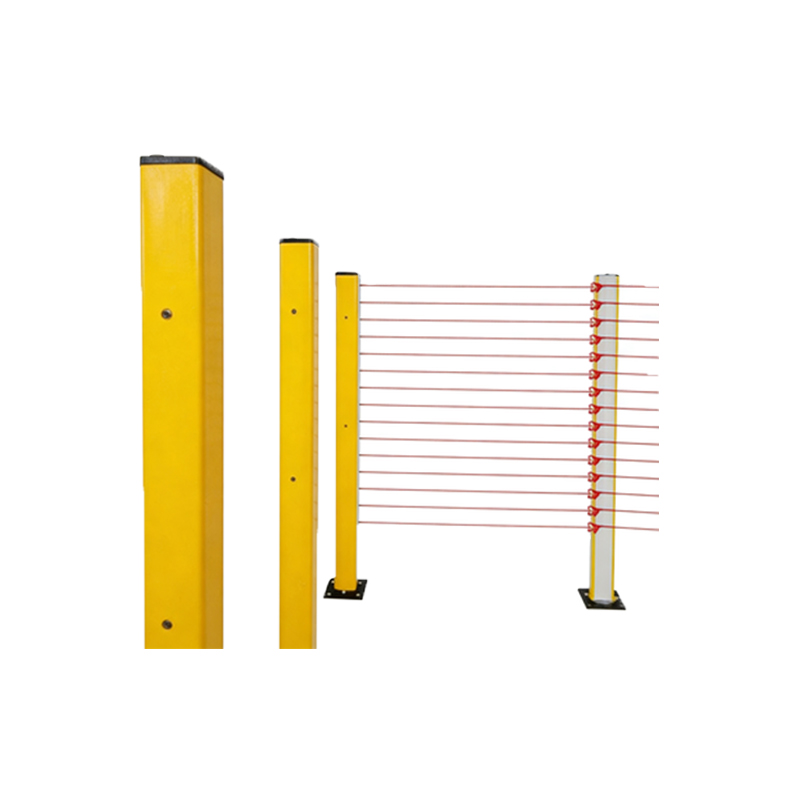
The photoelectric sensor system is primarily composed of four key elements: the light source (emitter), the photodetector (receiver), the signal processing circuitry, and the output stage. The light source, typically a Light Emitting Diode (LED) or a laser diode, generates the optical beam. LEDs are common for general-purpose applications due to their longevity and cost-effectiveness, while laser diodes are used for long-range or high-precision detection. The photodetector, often a phototransistor, photodiode, or in some cases a CCD/CMOS element, is responsible for receiving the light signal. Its sensitivity and response time are critical parameters. The emitted light wavelength must match the peak sensitivity wavelength of the detector for optimal performance. Common pairings include red visible light with silicon-based detectors and infrared light with specialized infrared sensors.
Emitter Unit: The Light Source
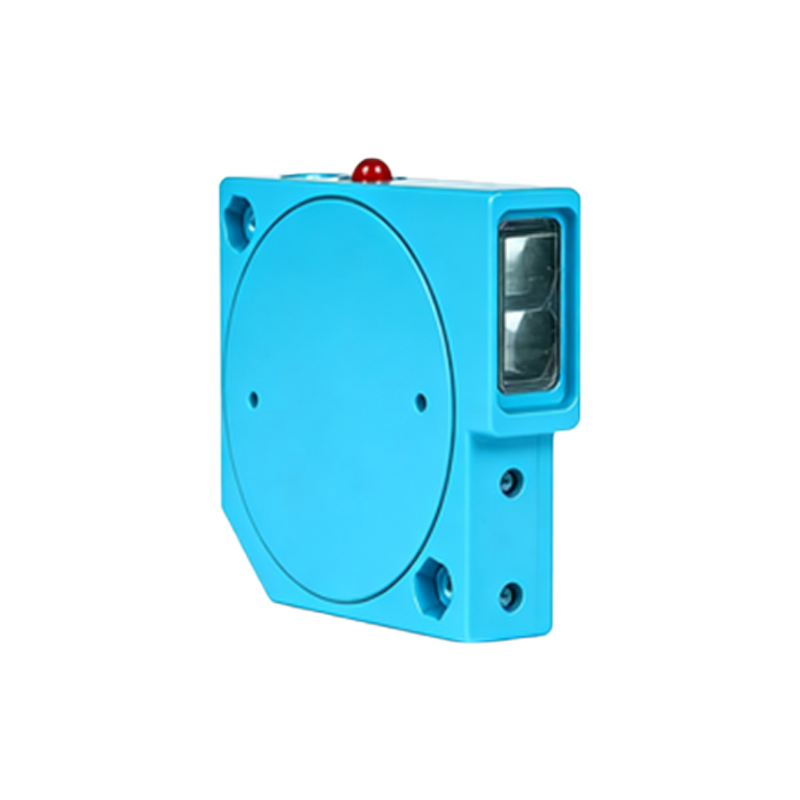
The emitter is the active component that generates the modulated light beam. Modern sensors almost exclusively use solid-state sources like LEDs. The light is typically modulated at a specific high frequency (e.g., several kHz) to allow the receiver to distinguish the sensor's signal from ambient light, significantly enhancing noise immunity. For long-range applications, focused laser diodes are employed. The choice of wavelength—visible red, infrared, or even specialized blue or green LEDs—depends on the application. Infrared is common for its invisibility and good performance in dusty environments, while colored visible light can be used to differentiate sensor beams or detect specific colored objects. The emitter lens collimates or focuses the light into a defined beam pattern, which determines the sensing spot size and range.
Receiver Unit: The Photodetector
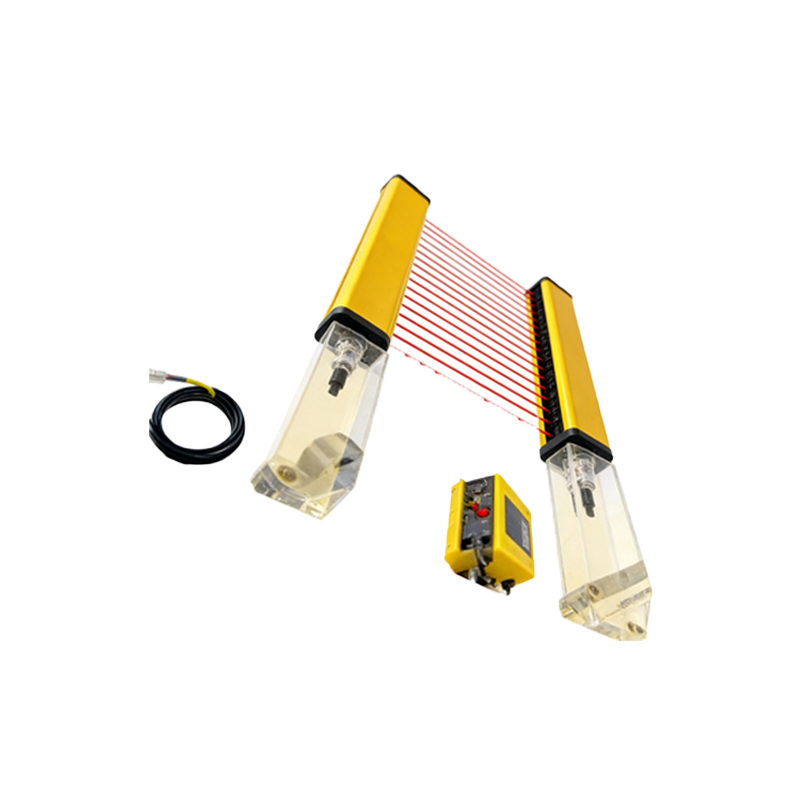
The receiver's photodetector converts the incoming light intensity into a proportional electrical current. A phototransistor is widely used for its built-in amplification. The receiver also contains a lens to collect light and focus it onto the sensitive area of the detector. Crucially, the receiver's circuitry is tuned to the same modulation frequency as the emitter. This synchronous detection, often called "AC mode" or "modulated light operation," filters out constant ambient light and electrical noise, allowing the sensor to operate reliably under bright factory lighting or sunlight. The receiver's sensitivity is adjustable via potentiometers or digital configuration, enabling it to handle various target reflectivities and installation distances.
Operating Modes: Through-Beam, Retroreflective, and Diffuse
Photoelectric sensors function in three primary operational modes, defined by the spatial relationship between the emitter, receiver, and target. In the through-beam (or opposed) mode, the emitter and receiver are separate units placed opposite each other. Detection occurs when the target object interrupts the light beam. This mode offers the longest sensing range and highest reliability. The retroreflective mode uses a single housing containing both emitter and receiver, along with a separate reflector. The sensor detects an object when it blocks the light beam reflected from the reflector. It provides a good balance of range and ease of installation. The diffuse (or proximity) mode also has a combined emitter/receiver, but it detects light reflected directly off the target object itself. Its range is shortest but allows for one-sided installation without a separate reflector.
Signal Processing and Output Interface
The raw signal from the photodetector is weak and requires conditioning. The signal processing circuitry amplifies the signal, compares it to a preset threshold level, and applies filtering to ensure stable switching. This threshold is set during sensor teaching or configuration to define the detection point. Advanced sensors incorporate microprocessors for intelligent functions like background suppression, temperature compensation, and diagnostic outputs. The final stage is the output switch, which provides a digital signal (ON/OFF) to the control system. Common output types include transistor (NPN/PNP), relay, and analog (4-20 mA or 0-10 V) outputs. Some sensors also feature IO-Link or other industrial network interfaces for smart sensor capabilities and parameter configuration.
Application Considerations and Selection Criteria
Selecting the appropriate photoelectric sensor requires analyzing several application parameters. The sensing distance, target size, material, color, and surface finish directly influence the choice of sensor type and operating mode. Environmental factors such as ambient light, dust, fog, temperature, and potential for mechanical vibration or shock must be considered. For example, a polarized retroreflective sensor is chosen to ignore shiny objects, while a background suppression diffuse sensor is selected to detect an object at a precise distance regardless of its color or reflectivity. Housing material (e.g., metal or plastic) and ingress protection (IP) rating are selected based on the industrial environment to ensure durability against washdowns, oils, or chemicals. Proper alignment, mounting, and periodic lens cleaning are essential for maintaining long-term system reliability.
Conclusion and System Integration
A photoelectric sensor system is a sophisticated integration of optics, electronics, and mechanical design. Its effectiveness stems from the precise interplay between its components: a reliably modulated light source, a sensitive and selective receiver, robust signal processing, and a stable output stage. When integrated into a larger automation system—such as a PLC-controlled production line—these sensors provide the essential data on object presence, position, and count that drives automated decision-making. Understanding the composition and working principles of each subsystem enables engineers to specify, install, and maintain these sensors effectively, ensuring optimal performance, reduced downtime, and enhanced productivity across countless industrial applications. Their versatility and reliability continue to make them a cornerstone of modern industrial sensing technology.