Introduction to Mingtong Proximity Sensors
Mingtong proximity switch sensors represent a significant category within the industrial automation landscape. Known for their reliability and precision, these sensors are integral components in countless manufacturing and processing applications. They operate on the principle of detecting the presence or absence of an object without physical contact, utilizing electromagnetic fields, light, or sound. This non-contact nature ensures minimal wear and tear, leading to extended operational life and reduced maintenance costs. Industries ranging from automotive assembly and packaging to material handling and metalworking rely on the consistent performance of such sensors to maintain efficiency, safety, and product quality on their production lines.
Primary Industrial Applications and Use Cases
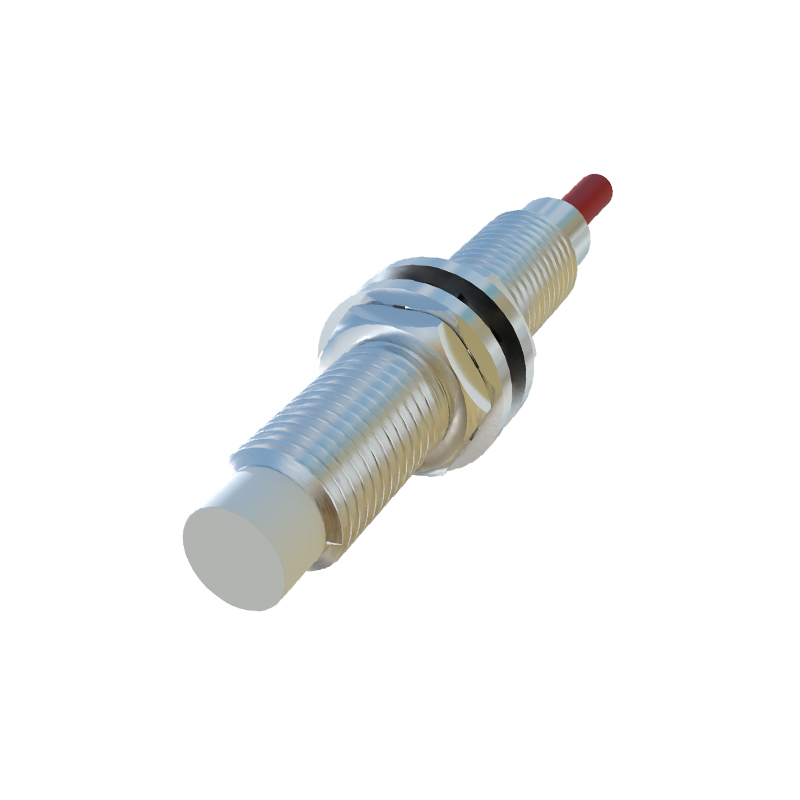
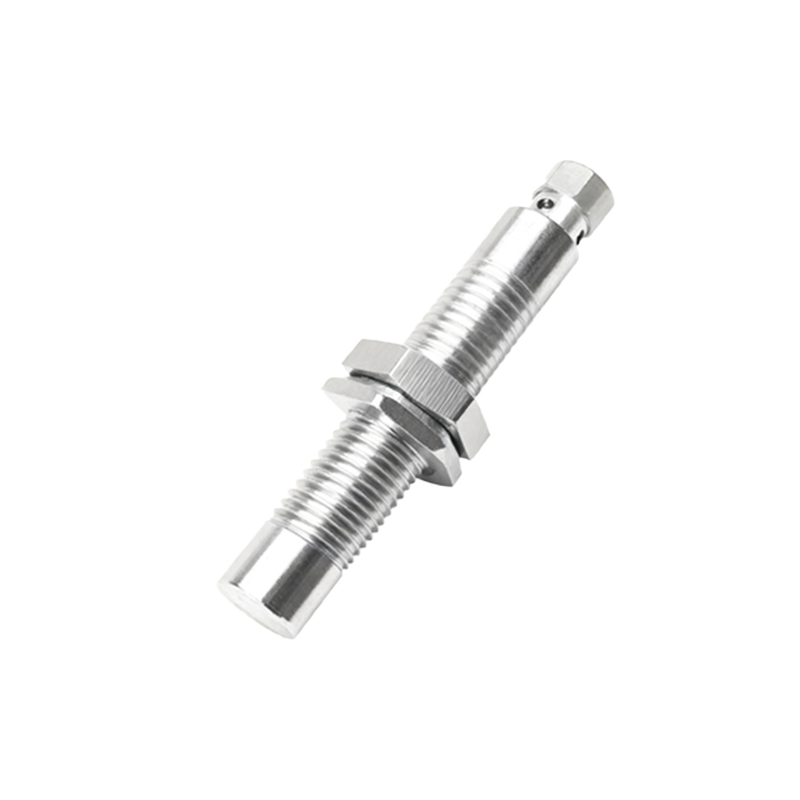
The deployment of Mingtong proximity sensors is widespread across various sectors. In automotive manufacturing, they are crucial for position sensing in robotic arms, verifying part placement, and counting components on conveyor belts. Within the packaging industry, these sensors detect labels, monitor fill levels, and ensure proper carton sealing. Machine tool applications often use them for tool positioning and spindle orientation, where precision is paramount. Furthermore, in material handling systems, Mingtong sensors provide object detection for automated guided vehicles (AGVs) and control gate operations. Their robust design, often featuring metal housings and high ingress protection (IP) ratings, makes them suitable for harsh environments with dust, moisture, or coolant exposure.
Global Distribution Channels and Suppliers
Finding Mingtong proximity switch sensors involves navigating a well-established global supply chain. Authorized industrial distributors and wholesalers are the primary source for most businesses. Major international electrical and automation component suppliers frequently stock Mingtong products alongside other leading brands. Furthermore, specialized sensor distributors focus specifically on providing a wide range of detection solutions, including inductive, capacitive, and ultrasonic proximity switches from manufacturers like Mingtong. For large-scale or OEM projects, direct procurement from Mingtong's regional sales offices or through established system integrators is a common practice. The rise of B2B e-commerce platforms has also simplified the sourcing process, allowing engineers to search for specific model numbers, compare technical specifications, and procure sensors digitally.
Key Factors in Selection and Sourcing
When searching for the right Mingtong sensor, several technical parameters must be considered. The sensing distance, measured in millimeters, is a primary specification, varying based on the sensor type and target material. The output type—whether NPN, PNP, analog, or IO-Link—must be compatible with the existing control system (e.g., PLC). Housing material, typically nickel-plated brass or stainless steel, is chosen based on environmental conditions. Thread size (e.g., M8, M12, M18, M30) is another critical factor for installation. Engineers should consult Mingtong's official catalogs and datasheets to match these specifications with their application requirements. Partnering with a knowledgeable distributor who can provide technical support is invaluable for ensuring optimal sensor selection and integration.
Online Resources and Technical Support
In today's digital age, locating technical information and supplier contacts for Mingtong sensors is highly efficient. The manufacturer's official website serves as the central hub for product catalogs, downloadable datasheets, CAD models, and installation manuals. Many distributors maintain comprehensive online inventories with real-time stock levels and pricing. Industry-specific online forums and professional networks, such as those on LinkedIn or dedicated engineering platforms, offer peer recommendations and discussions about sensor applications. For complex technical inquiries or customized solutions, contacting Mingtong's application engineering team directly is recommended. They can provide guidance on sensor selection for unique challenges, ensuring the chosen device delivers maximum performance and reliability.
Conclusion and Future Outlook
Mingtong proximity switch sensors are readily available through a mature network of global distributors, online marketplaces, and direct manufacturer channels. Their presence is firmly rooted in industries that demand robust, non-contact detection solutions. The process of sourcing these sensors involves a clear understanding of application needs, precise technical specifications, and leveraging both digital tools and expert distributor relationships. As Industry 4.0 and smart manufacturing evolve, the integration of Mingtong sensors with networked systems and IIoT (Industrial Internet of Things) platforms is likely to become more seamless, further enhancing their accessibility and functionality for predictive maintenance and data-driven operations.